
The Short Answer: Why Does a Fuse Box Keep Tripping?
When your fuse box keeps tripping, it’s almost always because a safety device — either a circuit breaker or a residual current device (RCD) — has detected a problem and cut the power to protect you. The most common culprits are circuit overloads, short circuits, faulty appliances, and earth leakage faults. Understanding which one is affecting your home is the first step to fixing it.
How Your Fuse Box Actually Works
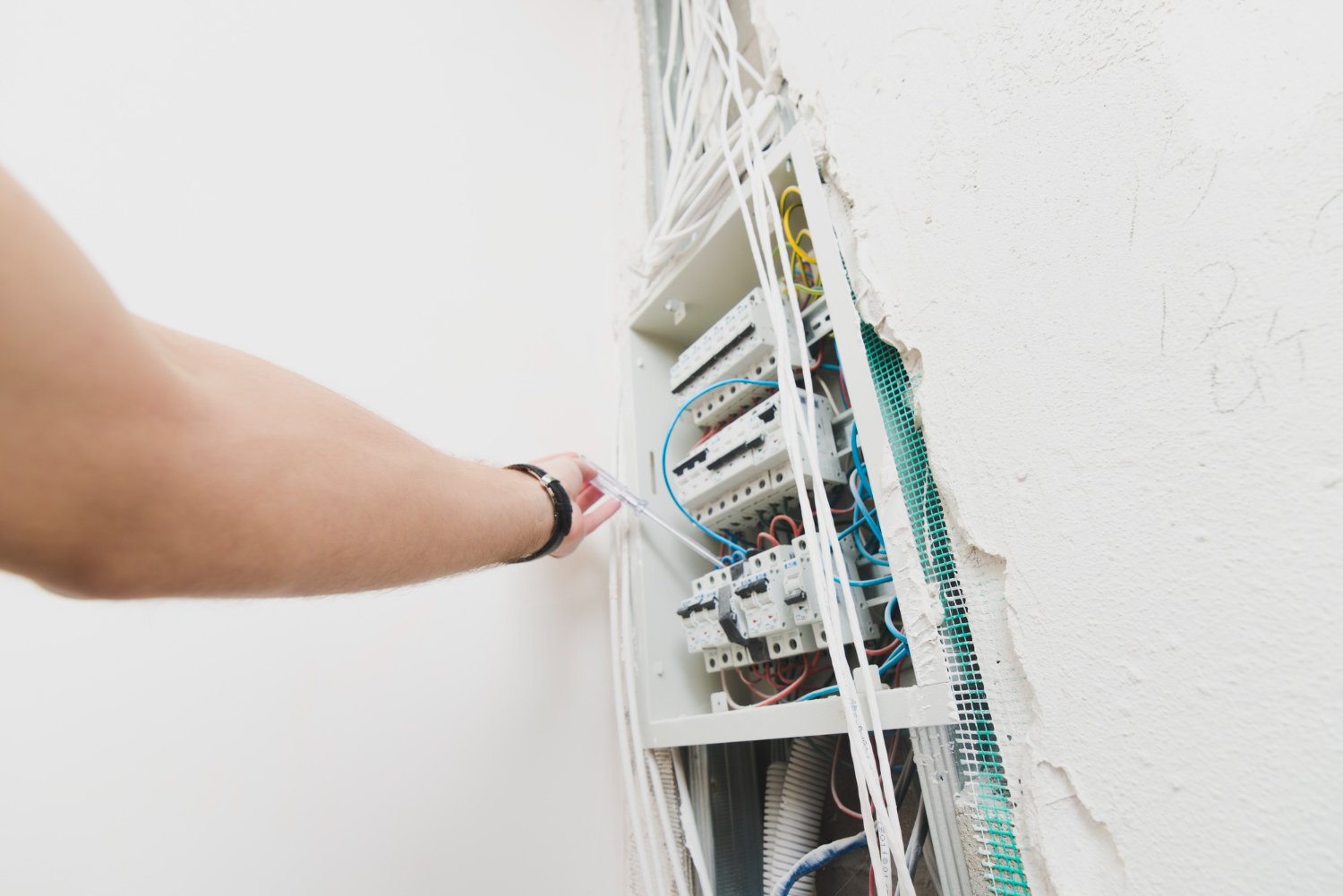
Modern Australian homes use a switchboard (commonly called a fuse box) that houses circuit breakers and RCDs rather than old-style fuses. These devices are designed to trip — that is, automatically switch off — when something goes wrong on a circuit. Think of them as your home’s built-in safety net.
In Torquay and across the Surf Coast, many homes range from heritage weatherboards to newly built coastal properties, and the age and condition of a switchboard can vary enormously. Older boards may still contain ceramic fuse holders, while newer builds will have a full suite of modern safety switches compliant with AS/NZS 3000 Wiring Rules.
The Most Common Reasons Your Fuse Box Keeps Tripping
1. Circuit Overload
This is the number one reason a fuse box keeps tripping in Australian homes. A circuit overload happens when you draw more current than a circuit is rated to handle. Running a heater, hairdryer, and toaster on the same circuit simultaneously is a classic example — especially common during Torquay’s cooler winter months when reverse-cycle air conditioners and electric heaters are working overtime.
The fix is straightforward: spread your appliances across different circuits or power points in different rooms. Avoid using high-wattage devices on the same circuit at the same time.
2. Faulty or Ageing Appliances
A single faulty appliance can cause your RCD or circuit breaker to trip repeatedly. Worn-out washing machines, older dishwashers, and ageing hot water systems are frequent offenders. To identify the culprit, unplug all appliances on the affected circuit, reset the breaker, then plug devices back in one at a time until the trip occurs again.
If one appliance consistently causes the trip, it’s time to have it inspected or replaced. Do not continue using an appliance that trips your safety switch — it’s a clear sign of an internal fault.
3. Short Circuits
A short circuit occurs when a live wire makes contact with a neutral wire, causing a sudden surge of current. This can happen inside a wall cavity, within a power point, or inside an appliance itself. Short circuits often produce a burning smell or scorch marks around outlets. This is a serious issue that requires immediate attention from a licensed electrician.
4. Earth Leakage Faults
RCDs are specifically designed to detect earth leakage — when current is escaping to earth through an unintended path, such as through a person. If your safety switch trips but your circuit breaker doesn’t, an earth leakage fault is the likely cause. This is one of the most important safety mechanisms in your home and should never be bypassed or ignored.
5. Moisture and Coastal Conditions
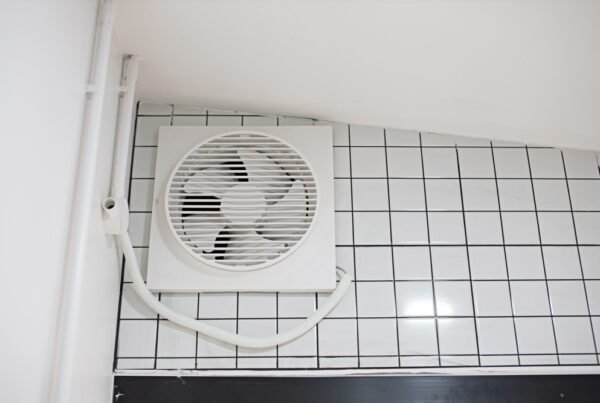
Living near the coast in Torquay means your home is exposed to salt air and humidity, both of which can accelerate corrosion inside switchboards, conduit, and outdoor power points. Moisture ingress into electrical fittings — particularly in bathrooms, laundries, and outdoor areas — is a common trigger for nuisance tripping along the Surf Coast. Ensuring your bathroom exhaust fans are functioning correctly helps manage moisture levels and reduces the risk of moisture-related electrical faults.
Simple Steps You Can Take Yourself
Not every tripping issue requires a professional callout. Here are some safe, practical steps you can take before picking up the phone:
- Identify which breaker or RCD has tripped by checking your switchboard — a tripped breaker will be in the middle or ‘off’ position.
- Unplug all appliances on the affected circuit before resetting.
- Reset the breaker or RCD by firmly switching it back to the ‘on’ position.
- Plug appliances back in one at a time to isolate the faulty device.
- Redistribute high-wattage appliances to different circuits or rooms.
- Check outdoor power points and garden lighting for signs of moisture or damage.
If the breaker trips again immediately after resetting — even with no appliances plugged in — stop and call a licensed electrician. This indicates a wiring fault that is not safe to investigate yourself.
Is Your Switchboard Up to Current Australian Standards?
If you live in an older Torquay home, your switchboard may not meet current requirements under AS/NZS 3000. Older boards without RCD protection on power point and lighting circuits are a known safety risk. The Energy Safe Victoria website outlines homeowner obligations and safety requirements for Victorian properties.
A professional electrical safety check can identify whether your switchboard needs upgrading and whether your home has adequate RCD and circuit breaker protection throughout.
When to Call a Professional
Some electrical issues are simply not safe to handle yourself, and knowing when to call in a licensed electrician is just as important as any DIY fix. You should contact a professional immediately if:
- Your fuse box keeps tripping even with no appliances connected.
- You notice burning smells, scorch marks, or discolouration around your switchboard or outlets.
- The breaker won’t reset or trips again within seconds of being reset.
- You hear buzzing or crackling sounds from your switchboard.
- Multiple circuits are tripping at the same time.
The team at BTD Electrical & Data services Torquay and the wider Surf Coast region, providing fast, reliable fault finding and switchboard upgrades. Whether you’re in Jan Juc, Barwon Heads, or Ocean Grove, a licensed local electrician can diagnose the problem safely and get your home back to full power. For urgent issues, 24-hour emergency electrical support is also available.
Conclusion
A fuse box keeps tripping for a reason — and that reason is almost always your home’s electrical system protecting you from a genuine hazard. The most common causes include circuit overloads, faulty appliances, short circuits, earth leakage, and moisture-related faults, all of which are especially relevant for homes along the Torquay coastline.
Start by identifying the tripped device, unplugging appliances, and redistributing loads. But if the problem persists or you notice any warning signs, don’t delay. BTD Electrical & Data is your local, trusted electrician for Torquay and the Surf Coast — reach out today for a professional assessment and lasting peace of mind.
Frequently Asked Questions
Why does my fuse box keep tripping at night?
Tripping at night is often related to appliances that run on timers or cycle on automatically, such as air conditioners, pool pumps, or hot water systems. It can also occur when heating systems kick in during cooler overnight temperatures. If the tripping is consistent and tied to a specific time, identifying which circuit is affected and which appliance is running at that hour will usually point you to the cause.
Is it dangerous if my safety switch keeps tripping?
Yes, repeated tripping is a warning sign that should not be ignored. While the safety switch itself is doing its job correctly, the underlying fault — whether it’s a failing appliance, damaged wiring, or moisture ingress — poses a genuine risk of electric shock or fire. Have a licensed electrician investigate the cause as soon as possible.
Can I replace a circuit breaker myself in Australia?
No. In Australia, all work inside a switchboard must be carried out by a licensed electrician. This is a legal requirement under state electrical safety legislation and the AS/NZS 3000 Wiring Rules. Attempting to replace a circuit breaker yourself is illegal, dangerous, and could void your home insurance.
How often should a switchboard be inspected in Victoria?
There is no fixed mandatory inspection interval for owner-occupied homes, but Energy Safe Victoria recommends having your switchboard inspected if it is more than 25 years old, if you are purchasing a property, or if you are experiencing recurring electrical faults. Rental properties have additional obligations under Victorian tenancy legislation. A routine electrical safety check every few years is considered best practice for any homeowner. For more about what we do, visit our homepage.