
The Quick Answer: Why Is Your Light Flickering?
Understanding what can cause a flickering light comes down to a handful of common culprits — a loose bulb, a faulty fitting, voltage fluctuations, or a more serious wiring fault. While some causes are minor and easy to fix yourself, others are genuine electrical hazards that need a licensed electrician’s attention. Knowing the difference could protect your home and your family.
Is a Flickering Light Always a Problem?
Not every flickering light signals danger, but none of them should be ignored. A single bulb that flickers occasionally is often a simple fix. However, multiple lights flickering across your home — or flickering that happens when you switch on a large appliance — points to something more serious in your electrical system.
Geelong homes, particularly older weatherboard and brick veneer properties, often have ageing wiring that can make these issues more common. If your home is more than 20–30 years old, it’s worth paying extra attention to any electrical irregularities you notice.
Common Causes of a Flickering Light in Your Home
Here are the most frequent reasons your lights might be flickering, from the straightforward to the more serious:
- Loose or incompatible bulb: A bulb that isn’t seated properly in its socket can cause intermittent contact and flickering. This is one of the easiest things to check and fix yourself.
- Incompatible dimmer switch: LED bulbs and older dimmer switches are often not compatible. If you’ve recently swapped to LEDs and noticed flickering, your dimmer may need upgrading to a leading-edge or trailing-edge LED-compatible model.
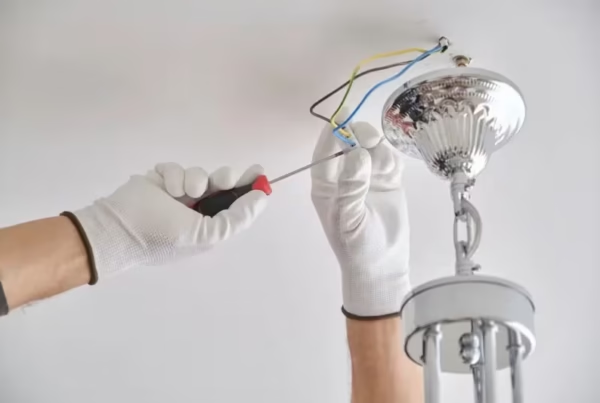
- Loose wiring connections: Wiring that has worked loose inside a light fitting, switch, or switchboard can cause flickering. This is a fire risk and must be assessed by a licensed electrician.
- Voltage fluctuations: If your voltage supply is inconsistent, lights will flicker — especially when large appliances like air conditioners or washing machines kick in. Australian standard voltage is 230V (±10%), and anything outside that range warrants investigation.
- Faulty light switch: A switch that is wearing out can cause intermittent flickering. You might notice it only happens when you touch or move the switch.
- Overloaded circuits: Running too many high-draw appliances on a single circuit can cause voltage drops that make your lights flicker. This is more common in older Geelong homes that haven’t had their switchboards upgraded.
- Failing light fitting or ballast: In fluorescent or older fittings, a worn ballast can cause persistent flickering. Replacing the fitting is usually the best solution.
What Can Cause a Flickering Light Throughout the Whole House?
If flickering is happening across multiple rooms or circuits, the issue is likely at the switchboard or service connection level. This could indicate a loose neutral connection — one of the more dangerous electrical faults a home can have. A loose neutral can cause wildly fluctuating voltages, potentially damaging appliances and creating a serious fire or electrocution risk.
In this scenario, you should not attempt any DIY investigation. Turn off non-essential circuits at the switchboard and call a licensed electrician immediately. You can also contact your energy distributor (in Geelong’s case, that’s typically AusNet or Powercor) to check whether the fault lies with the service connection on their side of the meter.
For peace of mind, booking an electrical safety check in Geelong is an excellent way to identify hidden faults before they become emergencies.
LED Bulbs and Flickering: A Modern Headache
The widespread switch to LED lighting has actually introduced a new category of flickering problems in Australian homes. LEDs require a different type of current regulation than traditional incandescent bulbs, and they’re far more sensitive to voltage variations and incompatible dimmers.
If you’ve recently upgraded your lighting and the flickering started shortly after, the cause is almost certainly a compatibility issue rather than a wiring fault. Swapping to a quality, Australian Standards-compliant LED driver or an LED-compatible dimmer switch will usually solve the problem. For help with a full light installation in Geelong, a licensed electrician can ensure everything is correctly matched and compliant.
Can Geelong’s Weather Contribute to Flickering Lights?
Absolutely. Geelong’s coastal climate brings strong winds, salt air, and dramatic temperature swings — all of which can affect your home’s electrical system over time. Outdoor fittings, metre boxes, and service connections are particularly vulnerable to corrosion and moisture ingress.
After storms or extended wet periods, it’s not unusual for Geelong homeowners to notice increased flickering as moisture finds its way into fittings or connections. If flickering worsens after bad weather, treat it as a priority rather than something to monitor over time.
When to Call a Professional
Some flickering issues are safe to investigate yourself — checking a bulb is tight, for example. But there are clear warning signs that mean you need a licensed electrician right away:
- Flickering that affects multiple rooms or circuits
- Flickering accompanied by a burning smell or discolouration around switches or power points
- Lights that dim significantly when large appliances start up
- Flickering in a home with older wiring or an unupgraded switchboard
- Any flickering that has appeared suddenly and without an obvious cause
These scenarios can indicate loose neutral connections, deteriorated wiring insulation, or overloaded circuits — all of which are covered under AS/NZS 3000:2018 (the Australian Wiring Rules) and must only be rectified by a licensed electrician. The team at BTD Electrical & Data for electrical repairs in Geelong can diagnose the root cause quickly and carry out safe, compliant repairs. If the situation is urgent, their 24-hour electrician service in Geelong means you’re never left waiting when safety is on the line.
Conclusion
Understanding what can cause a flickering light in your home puts you in a much stronger position to respond appropriately. Minor causes like a loose bulb or an incompatible dimmer are easy wins you can handle yourself. But persistent, widespread, or sudden flickering — especially in an older Geelong home — deserves professional attention without delay.
Don’t wait for a small annoyance to become a serious electrical fault. BTD Electrical & Data services homes across Geelong and the surrounding region, providing honest assessments and quality workmanship you can rely on. Get in touch today and have your flickering lights diagnosed by a licensed professional.
Frequently Asked Questions
Is a flickering light a fire hazard?
It can be. While a loose bulb is unlikely to cause a fire, flickering caused by loose wiring connections, a deteriorated switchboard, or a loose neutral is a genuine fire and electrocution risk. If you can’t identify a simple cause, have a licensed electrician inspect the issue as soon as possible.
Can I fix a flickering light myself?
You can safely check whether the bulb is properly seated and replace it if needed. You can also replace a bulb with one that’s compatible with your fitting. However, any work involving wiring, switches, or your switchboard must be carried out by a licensed electrician under Australian law.
Why do my lights flicker when I turn on the air conditioner?
Air conditioners draw a large amount of current when they start up, which can cause a brief voltage drop on the circuit. Some flickering at startup is normal, but if it’s severe or persistent, it may indicate an overloaded circuit or an undersized switchboard that needs upgrading.
How much does it cost to fix a flickering light in Geelong?
The cost depends on the cause. Replacing a bulb or dimmer switch is very affordable. Diagnosing and repairing a wiring fault or switchboard issue will cost more, but the price of leaving a genuine electrical fault unaddressed — in damage to appliances or risk to your home — is far higher. Contact a local Geelong electrician for an accurate quote based on your specific situation. For more about what we do, visit our homepage.