
What Causes Flickering Lights — and Can You Fix Them Yourself?
If you’re wondering how to stop flickering lights, the short answer is this: it depends on the cause. Some flickering is harmless and easy to fix yourself, while other causes point to serious wiring faults that require a licensed electrician. Identifying which situation you’re in is the critical first step.
Flickering lights are one of the most common electrical complaints in Geelong homes, from older weatherboard cottages in Newtown to newer builds along the Surf Coast. The good news is that not every flicker signals an emergency — but ignoring the wrong kind can be genuinely dangerous.
Common Reasons Your Lights Are Flickering
Before reaching for the phone, it helps to understand what’s actually going on inside your walls and fittings. Flickering can stem from a surprisingly wide range of sources, and pinpointing the cause will save you time and money.
Here are the most common culprits:
- Loose or faulty light globes — A globe that isn’t seated properly in its fitting will flicker intermittently, especially after vibration or movement nearby.
- Incompatible dimmers — Many older dimmer switches aren’t compatible with modern LED globes, causing a persistent buzz or flicker.
- Overloaded circuits — When high-draw appliances like air conditioners or electric ovens kick on, they can momentarily drop voltage and cause lights to dip.
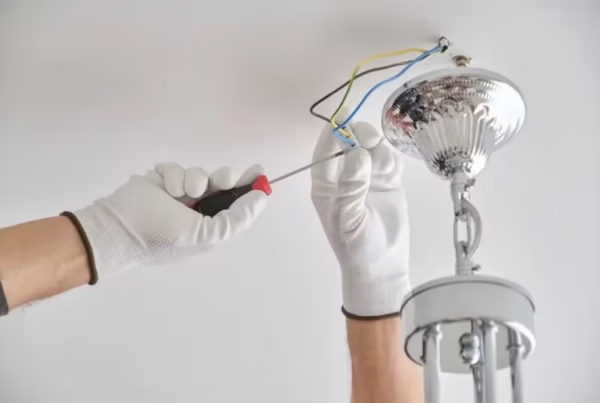
- Loose wiring connections — Connections that have worked loose over time create resistance and arcing, which shows up as flickering.
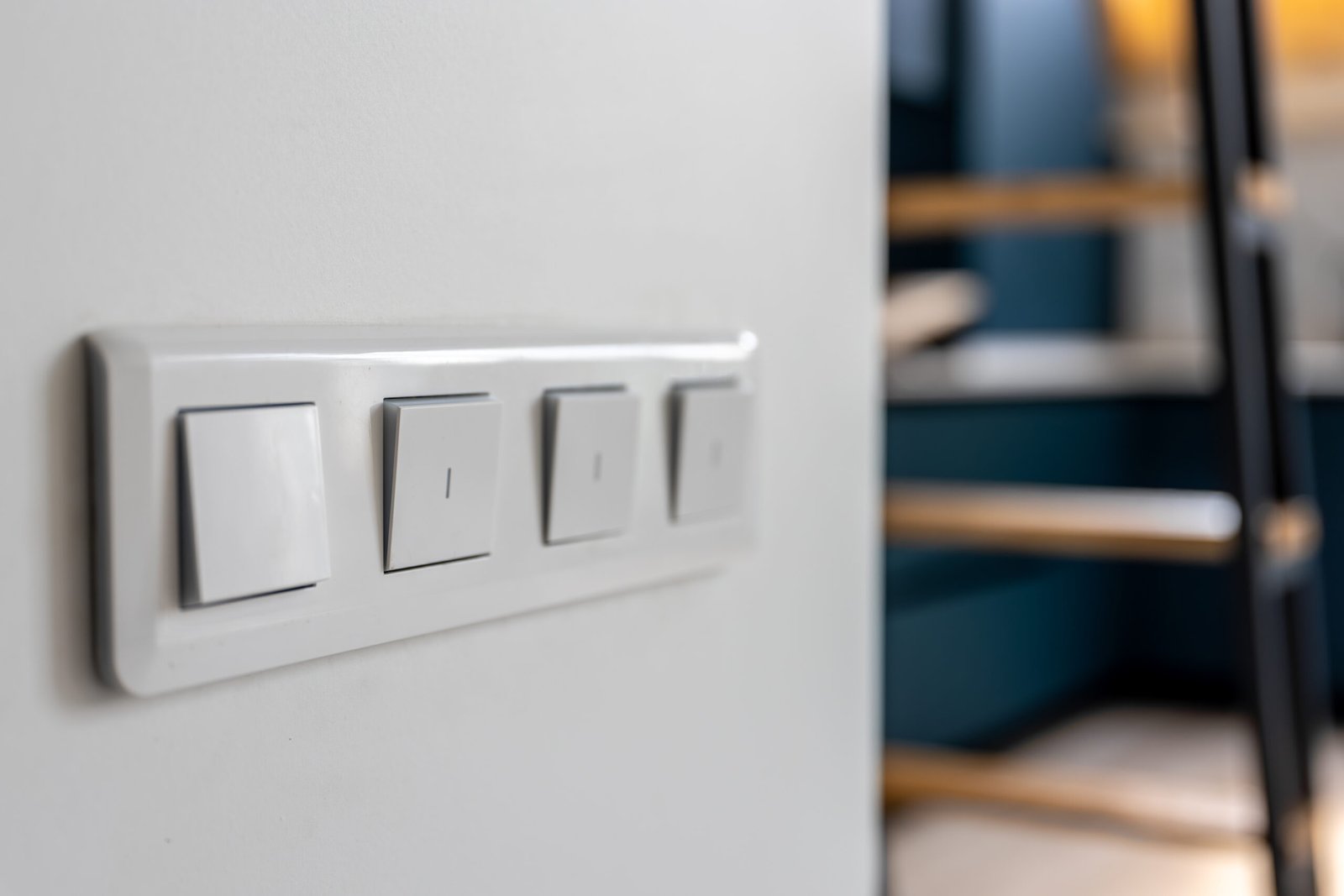
- Faulty light switches — A switch that’s worn out internally can cause irregular power delivery to the fitting.
- Problems at the switchboard — Loose neutral connections at the switchboard can cause widespread flickering across multiple rooms simultaneously.
- Utility supply issues — Sometimes the problem originates outside your home entirely, with voltage fluctuations from the grid affecting your whole property.
How to Stop Flickering Lights: Safe DIY Fixes
There are several things you can safely check and address yourself without touching any wiring. These steps are low-risk and often resolve the issue entirely.
1. Reseat or replace the globe. Turn the light off, allow it to cool, then remove and firmly reseat the globe. If it’s an older halogen or incandescent, consider swapping it out for a quality LED — this alone fixes the problem more often than you’d think.
2. Check for dimmer compatibility. If you have a dimmer switch, check whether your LED globes are rated as “dimmable.” Non-dimmable LEDs will flicker on a dimmer circuit. Replacing the globes with dimmable-rated LEDs — or upgrading the dimmer itself (a job for a sparky) — usually resolves this.
3. Reduce load on the circuit. If flickering only happens when a large appliance turns on, try redistributing your power usage across different circuits. Running your washing machine and oven simultaneously on the same circuit is a recipe for voltage dips.
4. Monitor whether it’s isolated or widespread. If only one light flickers, the issue is likely localised to that fitting or switch. If multiple lights across your home flicker at once, the problem is almost certainly in the switchboard or the incoming supply — and that’s not a DIY territory.
Understanding the Electrical Risks Behind Persistent Flickering
Loose wiring connections are the most serious cause of flickering lights, and they’re also the most commonly underestimated. When wires aren’t making solid contact, electricity can arc across the gap — generating heat and, in some cases, igniting surrounding materials. This is a leading cause of electrical fires in Australian homes.
According to Energy Safe Victoria, arc faults and loose connections are a significant contributor to residential electrical fires across the state. If your flickering is accompanied by a burning smell, discolouration around a switch or outlet, or a buzzing sound, treat it as an urgent safety issue.
For peace of mind, booking an electrical safety check in Geelong is one of the smartest things you can do — particularly in older homes where wiring may not have been inspected in years.
When to Call a Professional
Knowing when to step back and call a licensed electrician is just as important as knowing what you can handle yourself. In Victoria, all electrical work beyond replacing a globe or a powerpoint cover must be carried out by a registered electrician — it’s not just best practice, it’s the law under the Electricity Safety Act 1998.
You should call a professional immediately if you notice any of the following:
- Flickering that affects multiple rooms or the whole house
- Lights that dim when a large appliance switches on
- A burning smell or scorch marks near switches or outlets
- Flickering accompanied by tripping circuit breakers
- Any flickering in a home more than 25 years old with original wiring
BTD Electrical & Data serves homeowners across Geelong and the surrounding region, offering fast, reliable diagnosis and repair for exactly these kinds of issues. Whether you need electrical repairs in Geelong or a full switchboard inspection, their licensed team can identify the root cause and fix it safely. If you’re dealing with an urgent fault, their 24-hour electrician service in Geelong means help is always available when you need it most.
Conclusion
Understanding how to stop flickering lights comes down to correctly identifying the cause. Simple issues like loose globes or incompatible dimmers are well within the reach of a careful homeowner. But anything involving your wiring, switchboard, or a pattern of widespread flickering needs professional attention — full stop.
Don’t wait for a minor annoyance to become a serious hazard. BTD Electrical & Data is your local Geelong expert for diagnosing and resolving flickering light problems safely and efficiently. Get in touch today and have the issue sorted properly the first time.
Frequently Asked Questions
Is it dangerous to ignore flickering lights?
It can be. While some flickering is harmless — like a loose globe — persistent or widespread flickering can indicate loose wiring connections that create arc faults, a leading cause of house fires. If you’re unsure of the cause, it’s always safer to have a licensed electrician investigate.
Can LED globes cause flickering?
Yes, LED globes can flicker if they’re non-dimmable models used on a dimmer circuit, or if they’re low-quality globes with poor internal drivers. Switching to quality dimmable LEDs and ensuring your dimmer switch is LED-compatible usually resolves this issue.
Why do my lights flicker when the air conditioner turns on?
Air conditioners draw a significant amount of current on start-up, which can cause a momentary voltage drop on the same circuit. If this happens regularly, your circuit may be overloaded or your wiring may not be adequately sized for your current electrical load — both worth having assessed by a licensed electrician.
How much does it cost to fix flickering lights in Geelong?
The cost depends entirely on the cause. Replacing a globe or a dimmer switch is inexpensive. Diagnosing and repairing a loose connection or switchboard fault will cost more, but is a worthwhile investment in your home’s safety. A licensed electrician can provide a clear quote after assessing the issue on-site. For more about what we do, visit our homepage.