
The Quick Answer: Smart Charger vs Dumb Charger
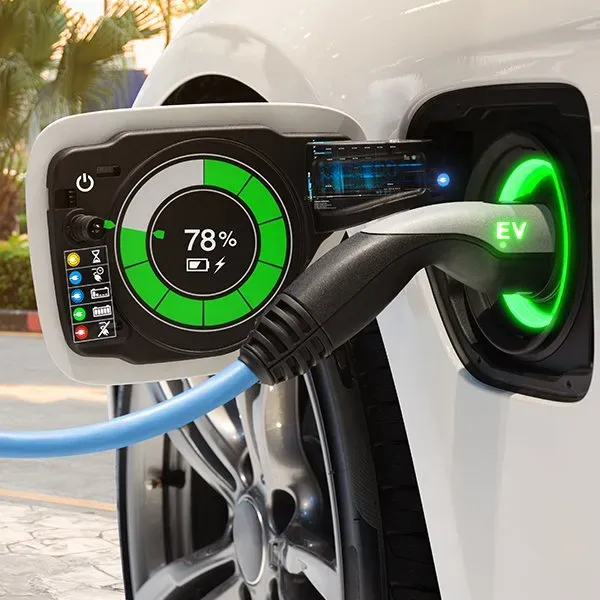
When weighing up a smart charger vs dumb charger for your EV, the core difference comes down to control and connectivity. A dumb charger simply draws power and charges your vehicle at a fixed rate. A smart charger connects to your home network, lets you schedule charging sessions, monitor energy use, and can even integrate with solar — making it the more versatile long-term investment for most Torquay households.
What Is a Dumb Charger?
A dumb charger — sometimes called a basic or non-networked charger — is a straightforward Level 2 AC charging unit. You plug it in, and it charges your EV at whatever rate the unit is rated for, typically between 7kW and 22kW. There are no apps, no scheduling features, and no communication between the charger and your home’s energy system.
For some drivers, that simplicity is genuinely appealing. There’s less to go wrong, installation is often more straightforward, and the upfront cost is lower. If you have a predictable routine and your electricity tariff doesn’t vary much throughout the day, a dumb charger might tick all the boxes.
What Is a Smart Charger?
A smart charger is a networked EV charging unit that communicates with your home, your energy provider, or a cloud-based platform via Wi-Fi or Ethernet. This connectivity unlocks a range of features that can genuinely reduce your charging costs and extend your battery’s lifespan over time.
Most smart chargers on the Australian market in 2026 support OCPP (Open Charge Point Protocol), which means they can work with third-party energy management systems. Many also support demand response programs, which are becoming increasingly relevant as Victorian energy retailers roll out time-of-use tariffs and virtual power plant schemes.
Smart Charger vs Dumb Charger: Key Differences at a Glance
- Scheduling: Smart chargers let you set charging windows to take advantage of off-peak electricity rates. Dumb chargers start charging immediately when plugged in.
- Solar integration: Smart chargers can prioritise surplus solar energy before drawing from the grid. Dumb chargers cannot.
- Energy monitoring: Smart chargers track your consumption session by session. Dumb chargers offer no usage data.
- Remote access: You can start, stop, or adjust charging from your phone with a smart charger. Not possible with a dumb unit.
- Load balancing: Smart chargers can reduce their draw when your home’s overall demand is high, protecting your switchboard and avoiding tripped circuits.
- Cost: Dumb chargers are cheaper upfront; smart chargers typically offer better value over a 5–10 year ownership period.
Which Option Suits Torquay Homes Best?
Torquay’s housing mix is diverse — from older weatherboard homes near the town centre to newer builds in Armstrong Creek and the Surf Coast Highway corridor. If your home has rooftop solar, which is increasingly common across the Surf Coast region, a smart charger is almost certainly the better choice. The ability to charge your EV using excess solar generation rather than grid power can significantly cut your running costs.
If you’re on a time-of-use tariff with your energy retailer — and many Victorian households are — scheduling overnight charging during off-peak windows (typically 11pm to 7am) can save you hundreds of dollars annually. A dumb charger simply can’t do this automatically. You’d need to remember to plug in at the right time every single night.
That said, if you’re renting, have a very simple electrical setup, or are working with a tight budget, a dumb charger can still serve you well in the short term. It’s not a bad product — it’s just a less capable one. For more information on EV charging options available to Surf Coast residents, take a look at the EV chargers Geelong page for an overview of what’s available in your area.
Australian Standards and Compliance
Any EV charger installed in an Australian home must comply with AS/NZS 3000:2018 — the Wiring Rules — as well as relevant network operator requirements. In Victoria, your installation must be carried out by a licensed electrician, and depending on your charger’s capacity, you may need to notify your Distribution Network Service Provider (DNSP) before installation.
Smart chargers that support demand response are increasingly favoured by energy networks because they help manage grid load — which is why some Victorian energy programs offer rebates or incentives for their installation. It’s worth checking the Victorian Department of Energy, Environment and Climate Action website for current rebate programs before you purchase.
If your switchboard is older or hasn’t been inspected recently, it’s also worth booking an electrical safety check in Geelong before any EV charger installation to confirm your home’s wiring can handle the additional load safely.
When to Call a Professional
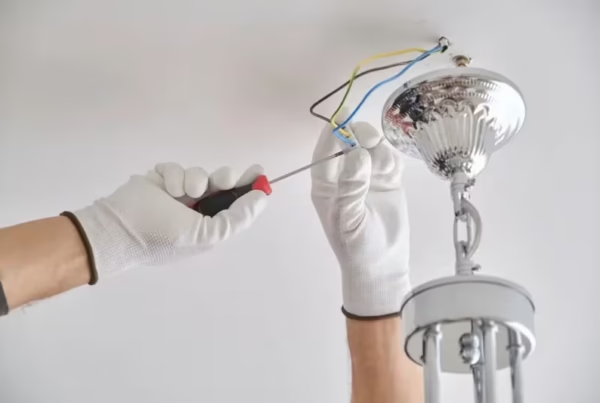
EV charger installation is not a DIY job under any circumstances in Australia. Whether you choose a smart or dumb charger, the work must be completed by a licensed electrician. Incorrect installation can void your charger’s warranty, create a fire hazard, and result in failed inspections.
If you’re unsure which charger type suits your home’s electrical setup, solar system, or energy tariff, a qualified electrician can assess your situation and make a tailored recommendation. The team at BTD Electrical & Data on the Surf Coast specialises in residential EV charger installations across Torquay and the surrounding area. Get in touch with BTD Electrical & Data to book a consultation and get the right charger installed correctly the first time.
Conclusion
In the smart charger vs dumb charger debate, neither option is universally wrong — but for most Torquay homeowners in 2026, a smart charger delivers significantly more value over time. The ability to schedule charging, integrate with solar, monitor energy use, and respond to grid signals makes it the forward-thinking choice as electricity tariffs and EV adoption continue to evolve across Victoria.
If you have rooftop solar, a time-of-use tariff, or simply want the most control over your energy costs, invest in a smart charger. If budget is the primary concern and your needs are basic, a dumb charger can still get the job done. Either way, make sure your installation is handled by a licensed professional who understands both the technical and regulatory requirements. Reach out to BTD Electrical & Data today to discuss the best EV charging solution for your home.
Frequently Asked Questions
Can I install an EV charger myself in Australia?
No. All EV charger installations in Australia must be completed by a licensed electrician. Attempting to install one yourself is illegal, unsafe, and will void your product warranty. Always engage a qualified professional for this work.
Will a smart charger work with my existing solar system?
In most cases, yes. Most modern smart chargers can integrate with common solar inverter brands and home energy management systems. Your electrician can confirm compatibility during a site assessment before installation.
How much does a smart charger cost to install in Torquay?
Costs vary depending on your home’s existing electrical infrastructure, the charger model you choose, and whether any switchboard upgrades are required. A licensed electrician can provide a detailed quote after assessing your property.
Is there a government rebate for EV charger installation in Victoria?
Victoria has offered various incentives for EV-related infrastructure in recent years. Eligibility and availability change regularly, so it’s best to check the current offerings directly through the Victorian Government’s energy website or speak with your installer about what may apply to your situation. For more about what we do, visit our homepage.