
How Do You Know If Your Home Has Faulty Wiring?
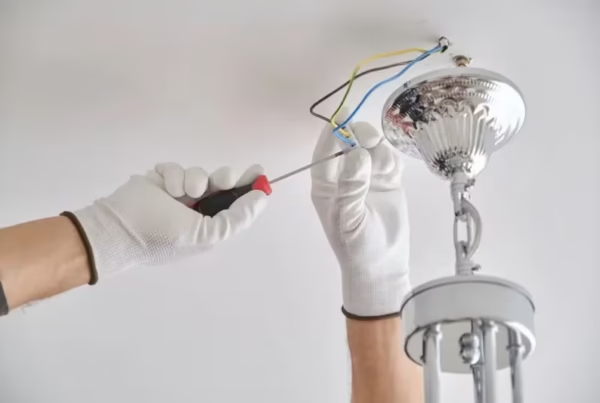
The signs of faulty electrical wiring are often hiding in plain sight — flickering lights, tripping circuit breakers, or a faint burning smell you can’t quite locate. Recognising these warning signs early can mean the difference between a simple repair and a serious house fire. If something feels off with your home’s electrics, trust your instincts and investigate further.
Why Faulty Wiring Is a Serious Risk in Australian Homes
Electrical faults are one of the leading causes of house fires across Australia. Older homes in Torquay and along the Surf Coast are particularly vulnerable, especially those built before the 1980s when wiring standards were far less stringent than today. Deteriorated insulation, undersized circuits, and outdated switchboards can all create dangerous conditions inside your walls — completely out of sight.
Australian Standard AS/NZS 3000 (commonly known as the Wiring Rules) sets the benchmark for safe electrical installations across the country. Homes that haven’t been inspected or updated in many years may no longer comply, putting your family and property at real risk.
Common Signs of Faulty Electrical Wiring in Your Home
Knowing what to look and listen for is your first line of defence. Here are the most telling warning signs that your wiring may need professional attention:
- Flickering or dimming lights: Occasional flickering when an appliance starts up is normal, but persistent dimming across multiple rooms often points to a loose connection or overloaded circuit.
- Frequently tripping circuit breakers or blown fuses: Your switchboard is designed to protect you — if it’s constantly tripping, something is drawing more current than the circuit can safely handle.
- Burning smell or scorch marks: A burning odour near power points or light fittings is a serious red flag. Scorch marks or discolouration around outlets indicate arcing or overheating wiring behind the wall.
- Buzzing, crackling, or sizzling sounds: Properly functioning electrical systems are silent. Any unusual sounds coming from your walls, switchboard, or outlets should be investigated immediately.
- Warm or sparking power points: Outlets should never feel warm to the touch. If yours do — or if you notice sparks when plugging in an appliance — there’s likely a wiring fault present.
- Lights that flicker when you use appliances: If your lights dim every time the washing machine or air conditioner kicks in, your circuits may be overloaded or your wiring may be undersized for your current energy demands.
- Rodent damage: In older Torquay homes, particularly those near bushland, rats and mice sometimes chew through cable insulation — exposing live conductors inside your walls.
Older Homes and Outdated Wiring Systems
If your home was built before 1990, there’s a reasonable chance it still has older wiring that may no longer meet current safety standards. Aluminium wiring, rubber-sheathed cables, and ceramic fuse boards were common in Australian homes of that era, and all carry elevated risks as they age. These systems weren’t designed to handle the electrical load of modern households running multiple air conditioners, EV chargers, and smart appliances simultaneously.
Upgrading your switchboard and having an electrical safety check carried out is one of the most worthwhile investments you can make in your home’s long-term safety. It gives you a clear picture of what’s working, what’s ageing, and what needs urgent attention.
What You Can Safely Check Yourself
While all electrical repair work must be carried out by a licensed electrician in Victoria, there are a few things you can safely observe and document yourself. Walk through your home and note any of the warning signs listed above. Check whether your switchboard has a safety switch (RCD) installed — if it doesn’t, this is a priority upgrade. Test your safety switches by pressing the test button on each one to confirm they trip correctly.
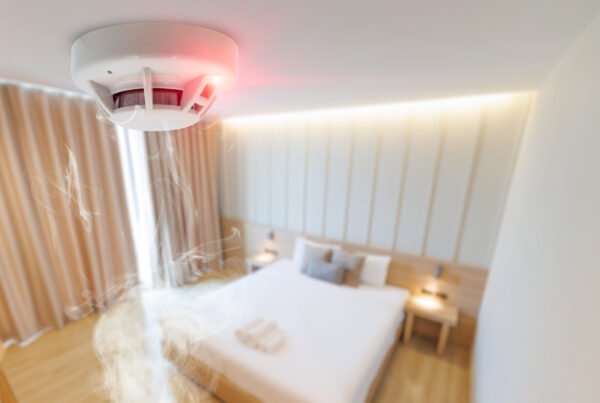
You can also check whether your smoke alarms are working and up to date. Under Victorian regulations, interconnected photoelectric smoke alarms are now required in new builds and major renovations. If you’re unsure about your smoke alarm compliance, smoke alarm installation is a straightforward job for a licensed electrician.
When to Call a Professional
If you’ve noticed any of the signs of faulty electrical wiring described in this article — particularly burning smells, sparking outlets, or a switchboard that keeps tripping — don’t wait. These are not problems that resolve themselves, and the longer they’re left, the greater the risk to your home and family.
BTD Electrical & Data services Torquay and the wider Surf Coast region, providing thorough fault diagnosis, wiring repairs, and switchboard upgrades carried out by fully licensed electricians. Whether you need electrical repairs or a complete safety inspection, the team at BTD Electrical & Data is ready to help. For urgent issues, a 24-hour emergency service is also available — because electrical faults don’t always happen at convenient times.
Contact BTD Electrical & Data today to book an inspection and get peace of mind about the safety of your home’s wiring.
Conclusion
Faulty electrical wiring is one of those risks that’s easy to overlook — until something goes seriously wrong. The signs are often subtle at first: a flicker here, a tripped breaker there. But left unaddressed, these small warnings can escalate into dangerous faults that put your home and family at risk.
The smartest thing you can do as a Torquay homeowner in 2026 is stay alert to the warning signs, carry out basic safety checks you’re qualified to do, and call a licensed electrician the moment something doesn’t seem right. Don’t ignore the signals your home is sending you — act on them early and stay safe.
Frequently Asked Questions
How do I know if my home’s wiring is unsafe?
Look out for flickering lights, frequently tripping circuit breakers, burning smells near power points, warm or discoloured outlets, and buzzing sounds from your walls or switchboard. These are all common signs of faulty electrical wiring that warrant a professional inspection as soon as possible.
Is old wiring automatically dangerous?
Not necessarily, but older wiring — particularly rubber-sheathed cables or aluminium wiring found in pre-1980s Australian homes — is far more likely to have deteriorated insulation and may not meet current safety standards. An electrical safety check will confirm whether your wiring is still fit for purpose.
Can I fix faulty wiring myself?
No. In Victoria, all electrical installation and repair work must be carried out by a licensed electrician. Attempting DIY electrical repairs is illegal and extremely dangerous. You can safely observe and report problems, test safety switches, and check smoke alarms, but leave all repair work to a qualified professional.
How often should I have my home’s wiring inspected?
As a general guide, it’s a good idea to have an electrical safety inspection every five to ten years, or whenever you purchase a property, undertake a renovation, or notice any warning signs. Older homes should be inspected more frequently, as ageing wiring and outdated switchboards carry a higher risk of developing faults. For more about what we do, visit our homepage.