
How Do You Know Your Electrical System Needs Inspecting?
The signs your home electrical system needs inspection are often hiding in plain sight — flickering lights, tripping circuits, or a faint burning smell you keep dismissing. In Geelong, where many homes range from post-war weatherboards to modern coastal builds, ageing wiring and overloaded circuits are more common than most homeowners realise. Catching these warning signs early can prevent a house fire or a serious electric shock.
Electrical faults are one of the leading causes of residential fires across Victoria. The good news is that most problems give you plenty of warning before they become dangerous — if you know what to look for.
Your Circuit Breaker Keeps Tripping
A circuit breaker that trips once in a while is doing exactly what it should — protecting you. But if yours is tripping regularly, that’s a clear signal something is wrong. It usually means a circuit is drawing more current than it was designed to handle, or there’s a fault somewhere in the wiring.
Modern Geelong households run far more appliances than homes were wired for decades ago. If you’ve added a home office, a large television setup, or you’re considering EV charger installation in Geelong, your existing switchboard may simply not be up to the task. Repeated tripping should never be ignored or worked around by using the largest possible fuse.
Flickering or Dimming Lights Throughout the House
The occasional flicker when a large appliance kicks in — like a ducted heater or washing machine — is relatively normal. But persistent flickering, or lights that dim across multiple rooms without an obvious cause, points to a more serious underlying issue.
This could indicate loose wiring connections, a failing neutral wire, or problems with the main switchboard. In older Geelong homes, aluminium wiring was commonly used and is now known to be a significant fire risk when it deteriorates or connects poorly with copper fittings. This is one of the clearest signs your home electrical system needs inspection by a licensed electrician.
Burning Smells, Discolouration, or Warm Outlets
If you notice a burning or plastic smell near a power point, light switch, or appliance, stop using it immediately. Discolouration or scorch marks around outlets are a sign of arcing — where electricity is jumping across a gap in the wiring. This is a fire hazard that demands urgent attention.
Outlets or switch plates that feel warm to the touch are equally concerning. Heat around electrical fittings indicates resistance in the circuit, which generates heat and can ignite nearby materials over time. Don’t assume it will sort itself out — it won’t.
Common Warning Signs at a Glance
- Circuit breakers that trip frequently or fuses that blow repeatedly
- Flickering, dimming, or buzzing lights
- Burning smells or scorch marks near power points or switches
- Outlets or switches that feel warm or spark when in use
- Electrical shocks — even mild tingling — when touching appliances or switches
- Buzzing or crackling sounds from the switchboard or walls
- A switchboard that still uses ceramic fuses rather than modern safety switches
You’re Getting Mild Electric Shocks
A mild tingle or shock when you touch a light switch or plug in an appliance is never normal. Even a small electric shock means current is flowing somewhere it shouldn’t be — often due to faulty earthing, damaged insulation, or a wiring fault. This is a serious safety issue, particularly in homes with young children.
Under Australian Standard AS/NZS 3000 (the Wiring Rules), all electrical installations must be properly earthed and protected. If your home doesn’t have safety switches (RCDs) installed on all circuits, you’re not only at greater risk — you may not meet current Victorian regulatory requirements for rental properties.
Your Home Is Over 25 Years Old and Has Never Been Inspected
Many Geelong homes built before the 1990s were wired to standards that are now considered inadequate for modern electrical loads. Rubber-insulated cables deteriorate over time, and older switchboards often lack the safety switches and circuit breakers required today.
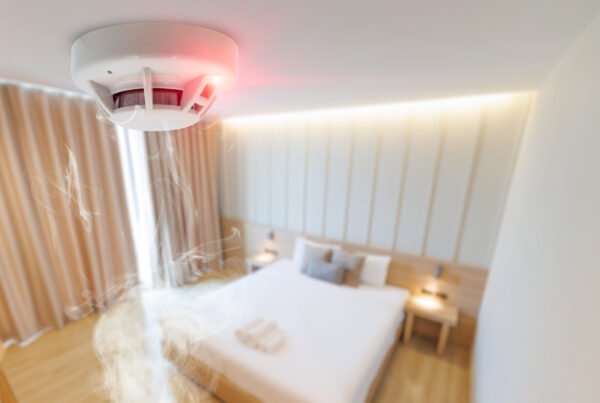
If your home has never had a professional electrical safety check in Geelong, it’s worth scheduling one — even if you haven’t noticed any obvious problems. Prevention is always cheaper than an emergency repair or, worse, a house fire. You should also ensure your smoke alarms are correctly installed and compliant as part of any whole-home safety review.
DIY Fixes You Can Safely Do Yourself
Not every electrical concern requires a licensed electrician right away. There are a few simple checks any homeowner can safely carry out:
- Test your safety switches monthly by pressing the test button on your switchboard — they should trip and reset easily.
- Replace any damaged or cracked power point covers (with the power off at the switchboard).
- Avoid overloading double adaptors — use a power board with surge protection instead.
- Check that outdoor power points and garden lighting are rated for external use.
Beyond these basic checks, all electrical work in Australia must be carried out by a licensed electrician. Attempting to repair wiring, replace switches, or work inside your switchboard yourself is illegal and extremely dangerous.
When to Call a Professional
If you’ve noticed any of the warning signs above — or your home simply hasn’t been inspected in years — it’s time to act. Electrical faults don’t resolve themselves, and delaying an inspection puts your family and property at real risk.
BTD Electrical & Data serves homeowners across Geelong and the surrounding region, including the Surf Coast and Ocean Grove. Whether you need a thorough safety inspection, urgent fault finding, or advice on upgrading your switchboard, their licensed team is ready to help. For after-hours emergencies, 24-hour electrician support in Geelong is also available. Don’t wait for a fault to become a disaster — call BTD Electrical & Data today.
Conclusion
Recognising the signs your home electrical system needs inspection is one of the most important things you can do as a Geelong homeowner in 2026. Flickering lights, tripping breakers, warm outlets, burning smells, and electric shocks are all red flags that demand professional attention — not a wait-and-see approach.
Older homes, increased appliance loads, and outdated wiring are a combination that puts many Geelong households at unnecessary risk. A professional electrical safety inspection is a small investment compared to the cost — financial and human — of an electrical fire or injury. Reach out to BTD Electrical & Data to book your inspection and get genuine peace of mind.
Frequently Asked Questions
How often should a home electrical system be inspected in Geelong?
For most homes, a professional electrical safety inspection every five to ten years is recommended. If your home is over 25 years old, has never been inspected, or you’ve noticed any warning signs, you should book one as soon as possible. Rental properties in Victoria have specific compliance requirements that may require more frequent checks.
Are safety switches (RCDs) mandatory in Geelong homes?
Yes. Under Victorian electrical safety regulations, safety switches must be installed on all power and lighting circuits in new homes and in existing homes when certain electrical work is carried out. If your switchboard still uses old ceramic fuses, it’s strongly advisable to have it upgraded to include modern safety switches and circuit breakers.
What is the difference between a circuit breaker and a safety switch?
A circuit breaker protects your wiring and appliances from overloads and short circuits. A safety switch (RCD) protects people by detecting current leakage — the kind that causes electric shock — and cutting power within milliseconds. Both are essential, and your switchboard should have them installed on every circuit.
Can I inspect my own electrical system to check for problems?
You can perform basic visual checks — looking for scorch marks, testing safety switches, and checking for damaged power point covers — but you must not open switchboards, handle wiring, or attempt any repairs yourself. All electrical work in Australia must be completed by a licensed electrician. If you spot anything concerning, contact a qualified professional straight away. For more about what we do, visit our homepage.