
DIY vs Professional EV Charger Installation: The Short Answer
If you’re researching how to install EV charger home in Torquay, here’s the direct answer: in Australia, connecting a home EV charger to your mains electrical system is classified as electrical work and must be performed by a licensed electrician. You can choose your charger unit and prepare your garage space yourself, but the wiring and connection work requires a qualified professional by law.
Why So Many Torquay Homeowners Are Installing EV Chargers in 2026
Electric vehicles are no longer a novelty on the Surf Coast. From Torquay’s beachside streets to the surrounding hinterland, more residents are making the switch and quickly realising that relying on a standard power point for overnight charging simply isn’t efficient enough.
A dedicated home EV charger — often called an Electric Vehicle Supply Equipment (EVSE) unit — can charge your vehicle up to ten times faster than a standard 10-amp outlet. For a household juggling school runs, surf sessions, and weekend trips down the Great Ocean Road, that difference matters enormously.
Understanding the Types of Home EV Chargers
Before you dive into the installation process, it helps to understand what you’re actually installing. There are two primary levels relevant to Australian homes:
- Level 1 (Trickle Charging): Uses a standard 10-amp household outlet. No installation required, but charging is very slow — typically 10–15 kilometres of range per hour.
- Level 2 (AC Fast Charging): Requires a dedicated 32-amp or 16-amp circuit and a wall-mounted EVSE unit. This is the most popular choice for home installation, delivering 25–50 kilometres of range per hour.
Most Torquay homeowners opt for a Level 2 charger because it’s practical, future-proof, and compatible with virtually every EV sold in Australia today. Popular brands include Wallbox, Ocular, and EO Charging, all of which are compatible with Australian standards.
How to Install EV Charger Home: What the Process Actually Involves
Understanding the full installation process helps you have an informed conversation with your electrician and avoid unexpected surprises. Here’s what a typical residential EV charger installation looks like step by step:
- Site assessment: Your electrician inspects your switchboard, existing wiring, and the proposed charger location — usually the garage or carport.
- Switchboard upgrade (if needed): Older Torquay homes may require a switchboard upgrade to accommodate the additional load safely.
- Dedicated circuit installation: A new circuit is run from the switchboard to the charger location, typically using 6mm² cable for a 32-amp circuit.
- Charger unit mounting: The EVSE unit is mounted on the wall at an accessible height, with appropriate weatherproofing if it’s in an exposed location.
- Wiring and connection: The unit is hardwired or connected via a dedicated outlet, depending on the manufacturer’s specifications.
- Testing and certification: Your electrician tests the installation and issues a Certificate of Electrical Safety, which is a legal requirement in Victoria.
For more information on electrical safety requirements in Victoria, the Victorian Department of Energy, Environment and Climate Action provides up-to-date guidance on residential electrical work and EV infrastructure.
What You Can Legally Do Yourself
It’s worth being clear about what doesn’t require a licensed electrician, so you can save time and money where it’s genuinely safe to do so. As a homeowner, you can legally:
- Research and purchase your preferred EVSE unit
- Choose the mounting location and prepare the wall surface
- Run conduit (without pulling cables through it) in some circumstances — though check with your electrician first
- Clear the area and ensure easy access for the electrician on installation day
Everything involving live wiring, circuit breakers, or connection to the mains supply must be handled by a licensed professional. This isn’t just a technicality — it’s about protecting your home, your family, and your insurance policy.
Solar Panels and EV Chargers: A Perfect Pairing
If you have rooftop solar — and plenty of Torquay homes do — you can configure your EV charger to draw preferentially from your solar generation during daylight hours. This requires smart charger compatibility and potentially some additional programming, but it’s a genuinely cost-effective setup. Ask your electrician about load management and solar integration when planning your installation. You can also explore our EV charger services across the Geelong region to get a sense of what’s involved.
Cost of Home EV Charger Installation in Torquay
Installation costs vary depending on your home’s existing electrical infrastructure. Here’s what drives the number on your quote in the Surf Coast area:
- Basic installation (modern switchboard, short cable run): the least labour of any scenario
- Switchboard upgrade required: adds a significant amount on top
- EVSE unit purchase: varies widely depending on brand and features
- Total: quoted all-inclusive once the site has been assessed
It’s also worth checking whether you’re eligible for any Victorian Government rebates or incentives, which can meaningfully reduce your out-of-pocket costs.
When to Call a Professional
You should call a licensed electrician before purchasing your charger unit — not after. Getting professional advice early means you choose a unit that suits your switchboard capacity, your home’s wiring layout, and your daily driving needs. Attempting to install or connect an EV charger yourself is illegal in Victoria, potentially invalidates your home insurance, and poses a genuine fire and electrocution risk.
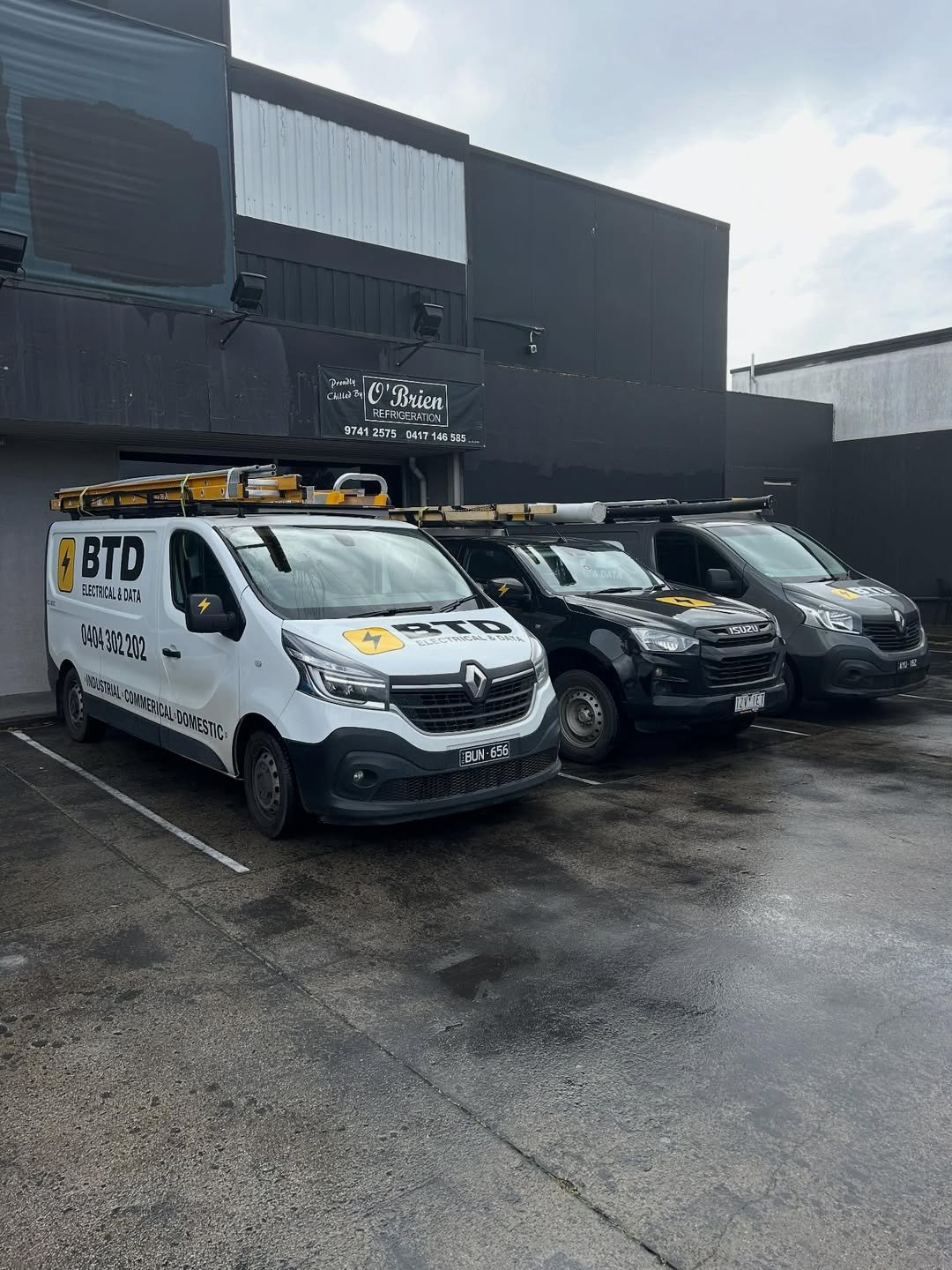
BTD Electrical & Data services Torquay and the wider Surf Coast, providing expert EV charger installations backed by full certification. Whether your home is in Jan Juc, Ocean Grove, or Barwon Heads, the team can assess your property and recommend the right solution. You can also check out our Surf Coast electrician services or learn more about electrical safety checks in Geelong to ensure your home is ready for the upgrade. Call BTD Electrical & Data today for an obligation-free quote.
Conclusion
Understanding how to install EV charger home correctly means knowing where your role ends and a licensed electrician’s begins. You can absolutely drive the process — choosing your unit, preparing your space, and planning for solar integration — but the wiring and connection work must be handled by a professional to comply with Victorian law and keep your home safe.
With EV ownership growing rapidly across Torquay and the Surf Coast, now is the ideal time to future-proof your home with a proper Level 2 charger installation. Don’t leave it to chance — get in touch with BTD Electrical & Data and have it done right the first time.
Frequently Asked Questions
Can I install an EV charger myself in Victoria?
No. In Victoria, connecting an EV charger to your home’s electrical system is classified as electrical work under the Electricity Safety Act 1998 and must be carried out by a licensed electrician. Doing it yourself is illegal and can void your home insurance.
How long does a home EV charger installation take?
A straightforward installation typically takes between two and four hours. If your switchboard needs upgrading or the cable run is particularly long, it may take a full day. Your electrician can give you a more accurate timeframe after an initial site assessment.
Do I need council approval to install a home EV charger in Torquay?
In most cases, council planning approval is not required for a standard residential EV charger installation. However, your electrician must issue a Certificate of Electrical Safety upon completion, which is lodged with Energy Safe Victoria. Always confirm with your local council if your property has any heritage or planning overlays.
Will a home EV charger increase my electricity bill significantly?
It will add to your electricity usage, but the cost per kilometre is still considerably lower than petrol. If you have solar panels, you can offset much of this cost by scheduling charging during peak solar generation hours. Smart chargers make this process automatic and easy to manage. For more about what we do, visit our homepage.