
Installing new light fixtures can completely transform your home or business, giving spaces a fresh, modern feel while improving functionality. In this 2026 guide for Australia, we explain everything you need to know about light fixture installation, including safety considerations, common challenges, costs, and tips to get the best results. With insights from BTD Electrical and Data, you can approach your next project confidently and safely.
Light fixture installation isn’t just about aesthetics. Poorly installed lighting can cause flickering, uneven illumination, and even electrical hazards. By understanding the process, tools, and standards required, you can ensure your lighting enhances your space without compromising safety.
Why Proper Installation Matters
A professional approach to light fixture installation ensures:
- Safety compliance: All electrical work must follow Australian standards (AS/NZS 3000), protecting your property and reducing fire risk.
- Longevity of fixtures: Correct installation prevents premature wear or damage.
- Optimal lighting: Proper positioning and wiring deliver the intended illumination and ambience.
BTD Electrical and Data regularly handles residential and commercial installations, ensuring every fixture is installed to meet safety and performance standards.
Key Steps in Light Fixture Installation
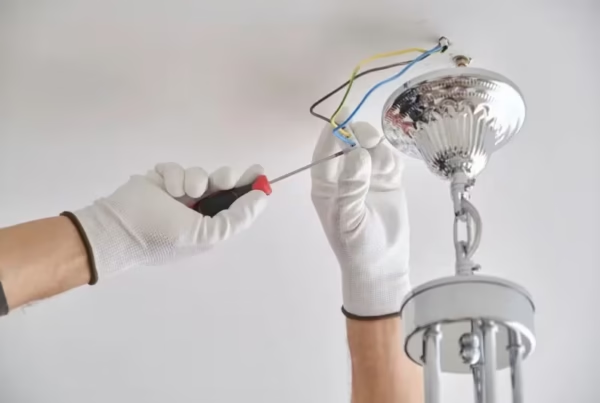
Installing a light fixture involves multiple steps, whether you’re replacing a simple ceiling light or fitting a modern chandelier:
- Turn Off Power: Always isolate the circuit at the switchboard before any work begins.
- Remove Existing Fixture: Carefully detach old fixtures and note the wiring layout.
- Check Wiring & Mounting: Inspect cables, junction boxes, and mounts for damage or compatibility.
- Attach New Fixture: Securely fasten brackets or mounts according to manufacturer instructions.
- Connect Wiring: Match wires correctly—typically active (brown), neutral (blue), and earth (green/yellow).
- Test the Fixture: Turn the power back on and check that the light functions properly.
Following these steps correctly reduces risk of electrical faults and ensures the fixture operates safely and efficiently.
Types of Light Fixtures
Different light fixtures require slightly different installation methods. Popular options in Australian homes include:
- Ceiling lights: Flush or semi-flush mounts suitable for bedrooms, living areas, or hallways.
- Pendant lights: Stylish hanging lights, often installed above dining areas or kitchen benches.
- Chandeliers: Decorative lighting that requires secure ceiling supports and sometimes additional wiring.
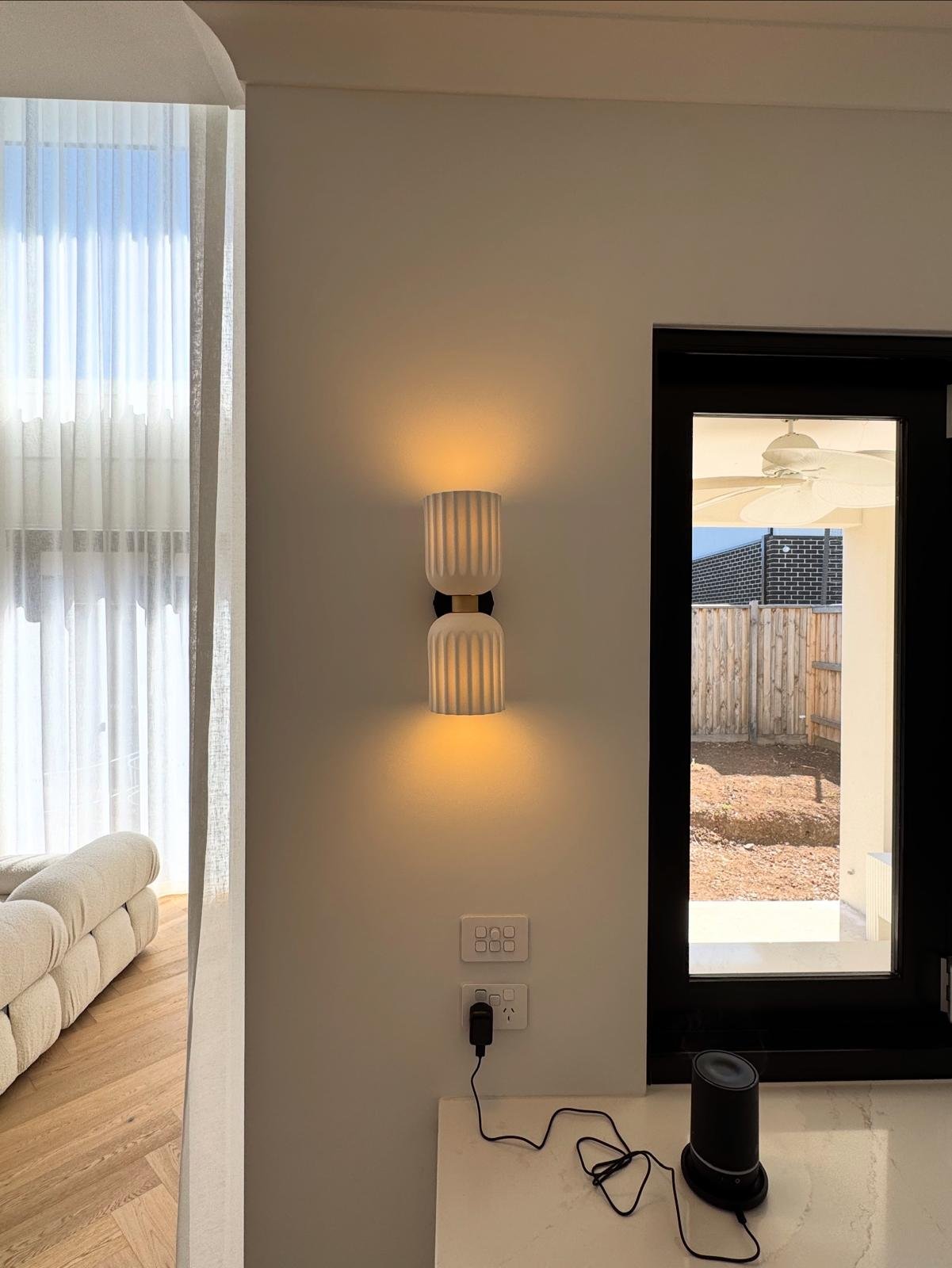
- Wall sconces: Mounted on walls for accent or task lighting.
- Recessed downlights: Integrated into ceilings for a modern, minimalist look.
BTD Electrical and Data can advise on the best fixture type for your space, factoring in ceiling height, room size, and wiring requirements.
Tools and Equipment Needed
Proper installation relies on the right tools and materials:
- Voltage tester or multimeter
- Screwdrivers and pliers
- Wire strippers and cutters
- Ladder or step stool
- Mounting brackets and screws
- Insulation tape and wire connectors
Having the correct tools not only makes the process easier but also ensures the job meets safety standards.
Common Challenges During Installation
Even straightforward installations can face unexpected issues:
- Old or faulty wiring: Some homes, especially older Australian builds, may have wiring that doesn’t meet current standards.
- Unsuitable mounting points: Ceiling joists or wall studs may not align with the fixture brackets.
- Weight concerns: Heavy fixtures like chandeliers may require additional support.
- Compatibility issues: Some LED fixtures or dimmers may not match existing wiring.
Identifying these challenges early can prevent costly mistakes or safety hazards.
Cost Considerations for Light Fixture Installation
Costs for installation vary depending on type, complexity, and location. In Australia, typical pricing includes:
- Simple ceiling lights: AUD 90–150
- Pendant lights or wall sconces: AUD 120–250
- Chandeliers: AUD 250–500+ (depending on size and weight)
- Recessed downlights: AUD 120–200 per light
BTD Electrical and Data provides transparent quotes, factoring in labour, materials, and any required safety upgrades.
DIY vs Professional Installation
While minor fixtures can be replaced by competent DIYers, professional electricians are recommended for:
- High or difficult-to-access ceilings
- Fixtures requiring new circuits or switchboard modifications
- Heavy or complex fixtures like chandeliers
- Ensuring compliance with Australian electrical safety standards
Hiring a professional ensures the installation is safe, efficient, and long-lasting.
Energy Efficiency and Lighting Choices
Modern Australian homes often prioritise energy efficiency. When selecting light fixtures, consider:
- LED lighting: Low energy consumption, long lifespan, and cooler operation.
- Smart lighting: Enables control via apps or voice, increasing convenience.
- Appropriate brightness and colour temperature: Ensures comfort and functionality for each room.
A well-planned installation maximises energy savings while creating the desired atmosphere.
When to Call a Professional
If you’re unsure or uncomfortable with any part of the installation, contact BTD Electrical and Data. You should especially call a professional when:
- Adding new circuits or outlets
- Installing heavy or high-ceiling fixtures
- Replacing fixtures in older homes with outdated wiring
- Experiencing flickering, sparking, or electrical tripping
Their licensed electricians provide safe, reliable, and compliant light fixture installation across Australia.
Maintenance Tips for Installed Fixtures
Proper maintenance ensures longevity and performance:
- Dust and clean fixtures regularly to prevent overheating.
- Check bulbs and fittings periodically for wear or corrosion.
- Ensure switches and dimmers function correctly.
- Address any flickering or unusual behaviour immediately by a professional.
Routine maintenance prevents electrical hazards and keeps your lighting bright and efficient.
Conclusion
Light fixture installation can significantly improve the look and functionality of your space, but safety and compliance are essential. By understanding the process, costs, and challenges, you can make informed decisions for your home or business. For reliable and safe installation, trust BTD Electrical and Data to handle the work professionally and efficiently. Brighten your space the right way and enjoy safe, long-lasting lighting for years to come.
FAQ
Q1: Can I install a light fixture myself?
A1: Simple fixtures may be installed DIY if you’re competent and follow safety guidelines, but mains wiring or heavy fixtures should be done by a licensed electrician.
Q2: How much does professional light fixture installation cost in Australia?
A2: Costs range from AUD 90 for simple ceiling lights up to AUD 500+ for complex chandeliers, depending on labour, materials, and fixture type.
Q3: Are there safety standards I need to consider?
A3: Yes, all work must comply with Australian Standards AS/NZS 3000 to ensure safety and prevent fire hazards.
Q4: How can I maintain my light fixtures?
A4: Regular dusting, checking bulbs, and addressing flickering or faulty switches promptly ensures safety and extends fixture life.