
If your fuse box keeps tripping, the most likely causes are an overloaded circuit, a faulty appliance, or an ageing switchboard that can no longer handle your home’s electrical demand. In most cases, you can identify the culprit in minutes by following a simple isolation process — though some situations absolutely require a licensed electrician.
Why Does a Fuse Box Keep Tripping?
Your switchboard is designed to protect your home. When a circuit breaker or residual current device (RCD) trips, it’s doing exactly what it’s supposed to — cutting power before wiring overheats or a fault causes harm. The problem isn’t the tripping itself; it’s the underlying reason it keeps happening.
In Torquay and across the Surf Coast, homes range from older weatherboard cottages to modern builds, and each comes with its own electrical quirks. Older properties may still have rewireable fuse wire rather than modern circuit breakers, while newer homes are more likely to have safety switches (RCDs) installed on every circuit as required by Australian standards.
The Most Common Causes of a Tripping Fuse Box
Understanding what triggers a trip helps you fix the problem faster. Here are the most frequent culprits:
- Overloaded circuits: Running too many high-draw appliances — like a reverse-cycle air conditioner, electric oven, and dishwasher — on the same circuit simultaneously can exceed its rated amperage.
- Faulty appliances: A single defective appliance with damaged internal wiring can cause an RCD to trip every time it’s plugged in.
- Short circuits: A live wire touching a neutral wire creates a sudden surge of current that instantly trips the breaker.
- Earth leakage faults: Moisture inside a fitting or appliance can cause current to leak to earth, triggering a safety switch.
- Worn or ageing switchboard components: Circuit breakers degrade over time and can become hypersensitive or fail to reset properly.
How to Fix a Fuse Box That Keeps Tripping: Step-by-Step
Before you do anything, remember this: in Australia, all electrical work beyond basic troubleshooting must be carried out by a licensed electrician. What you can safely do is identify and isolate the problem so you’re not left in the dark — literally.
Step 1: Identify Which Breaker Has Tripped
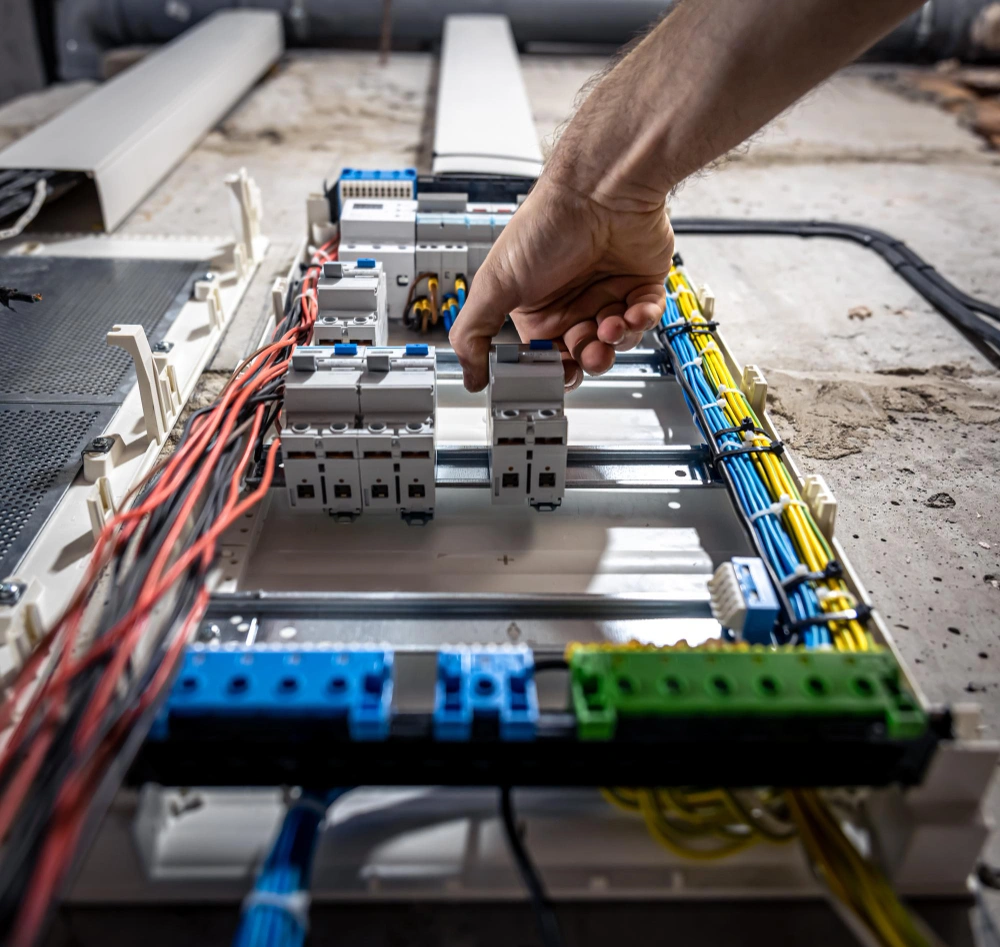
Open your switchboard and look for the breaker or RCD that’s moved to the off position, or sits midway between on and off. Most modern boards are clearly labelled — kitchen, lights, hot water, and so on. Make a note of which one has tripped.
Step 2: Unplug Appliances on That Circuit
Head to the area of your home controlled by the tripped breaker and unplug every appliance. This includes lamps, phone chargers, kitchen appliances — everything. You’re trying to remove the potential fault from the equation before you reset.
Step 3: Reset the Circuit Breaker
Push the breaker firmly to the off position first, then switch it back to on. Some RCDs have a test button — press it to confirm it’s functioning correctly. If it resets without issue and holds, you’ve likely got an overloaded circuit or a faulty appliance.
Step 4: Plug Appliances Back In One at a Time
Reconnect your appliances one by one, waiting a moment between each. When the breaker trips again, you’ve found your faulty appliance. Remove it from use and arrange for it to be tested or replaced.
Step 5: Check for Overloading
If no single appliance causes the trip but the breaker goes when several are running together, you have an overloaded circuit. The solution is to spread appliances across different circuits or have a licensed electrician install a dedicated circuit for high-draw equipment. For more information on your rights and responsibilities around electrical safety, the WorkSafe Victoria electrical safety page is a reliable reference.
Step 6: Check for Moisture or Environmental Factors
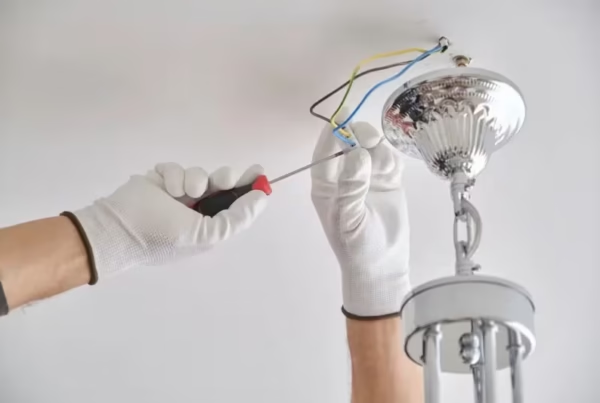
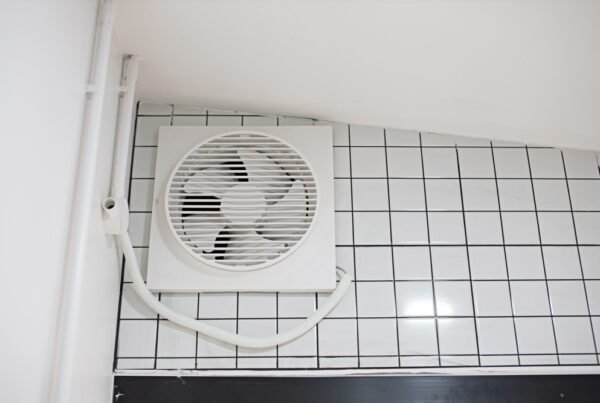
Torquay’s coastal climate means salt air and humidity are real factors. Moisture can work its way into outdoor fittings, bathroom exhaust fans, and downlights, causing intermittent earth leakage faults. If you suspect moisture is the issue, a professional electrical safety check can identify hidden faults before they become dangerous.
DIY vs. What You Must Leave to a Licensed Electrician
There’s a clear line between what you’re legally allowed to do and what requires a licensed professional in Victoria. Identifying and unplugging a faulty appliance? That’s yours to handle. Replacing a circuit breaker, rewiring a circuit, or upgrading your switchboard? That’s strictly licensed electrician territory under the Electricity Safety Act 1998 (Vic).
Attempting unlicensed electrical work in Victoria is not only dangerous — it’s illegal and can void your home insurance. If your electrical repairs go beyond basic troubleshooting, always call a qualified professional.
When to Call a Professional
Some situations mean you should stop troubleshooting immediately and pick up the phone. Call a licensed electrician if:
- The breaker trips again immediately after resetting, even with nothing plugged in
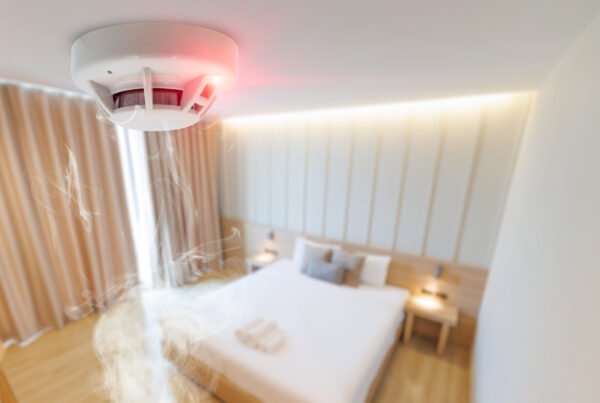
- You notice burning smells, scorch marks, or discolouration around your switchboard
- Your switchboard still uses ceramic fuse wire rather than modern circuit breakers
- Multiple circuits are tripping at the same time
- The problem started after heavy rain or flooding
These are signs of a serious underlying fault that won’t fix itself. The team at BTD Electrical & Data services Torquay and the wider Surf Coast, and can diagnose and resolve switchboard faults safely and efficiently. If you need urgent assistance, a 24-hour electrician is available for emergencies that can’t wait.
Conclusion
Knowing how to fix a fuse box that keeps tripping starts with understanding the cause — whether it’s an overloaded circuit, a faulty appliance, or a deteriorating switchboard. The steps above will help you safely isolate the problem in most everyday situations, saving you time and stress.
That said, your home’s electrical system is not the place to cut corners. If you’re in Torquay and the tripping continues or you spot any warning signs, don’t hesitate to contact BTD Electrical & Data for a professional assessment. A small call-out now is far less costly than dealing with an electrical fault that’s been left to worsen.
Frequently Asked Questions
Why does my fuse box keep tripping even when nothing is plugged in?
If your circuit breaker trips with nothing connected, the fault is most likely within the wiring itself — a damaged cable, a failing breaker, or moisture in a fitting. This is not a DIY fix. You’ll need a licensed electrician to inspect the circuit and identify the fault using appropriate testing equipment.
Is it safe to keep resetting a tripping circuit breaker?
Resetting a breaker once to troubleshoot is fine, but repeatedly resetting it without finding the cause is unsafe. The breaker is tripping for a reason — forcing it back on without resolving the underlying fault risks overheating, damaged wiring, and in serious cases, electrical fire.
How do I know if my switchboard needs upgrading?
Signs that your switchboard may need upgrading include ceramic fuse wire instead of circuit breakers, no RCDs or safety switches installed, frequent tripping without an obvious cause, and a board that’s more than 25–30 years old. An electrician can assess your switchboard and advise whether an upgrade is warranted.
Can the coastal climate in Torquay cause my fuse box to trip more often?
Yes, absolutely. Salt-laden air and higher humidity levels common along the Surf Coast can accelerate corrosion in switchboard components and allow moisture to enter outdoor or bathroom fittings. This moisture can cause earth leakage, which triggers RCDs. Regular inspections and weatherproof fittings help mitigate this risk. For more about what we do, visit our homepage.