
What Are Electrical Safety Regulations for Home Renovations?
Electrical safety regulations for home renovations are the legal requirements that govern how electrical work must be planned, performed, and inspected in Australian homes. In Victoria, all electrical installation work must comply with AS/NZS 3000:2018 (the Wiring Rules) and be carried out by a licensed electrician. Skipping these requirements doesn’t just risk a fine — it can put your family’s safety and your home insurance at serious risk.
If you’re planning a renovation in Geelong, understanding these rules before you pick up a hammer could save you thousands of dollars and prevent dangerous outcomes down the track.
Why Electrical Compliance Matters More Than Ever in 2026
Geelong’s housing stock is a mix of older period homes and newer builds, and both come with their own electrical challenges. Older homes may still have outdated wiring systems — think aluminium wiring or deteriorating rubber-insulated cables — that simply aren’t safe to integrate with modern appliances and circuits.
Victoria’s Energy Safe Victoria (ESV) has been tightening compliance requirements in recent years. Renovation projects that disturb existing wiring, add new circuits, or change the load on a switchboard now require a Certificate of Electrical Safety (CES) upon completion. This document is your proof that the work has been inspected and meets current standards.
Understanding Electrical Safety Regulations for Home Renovation Projects
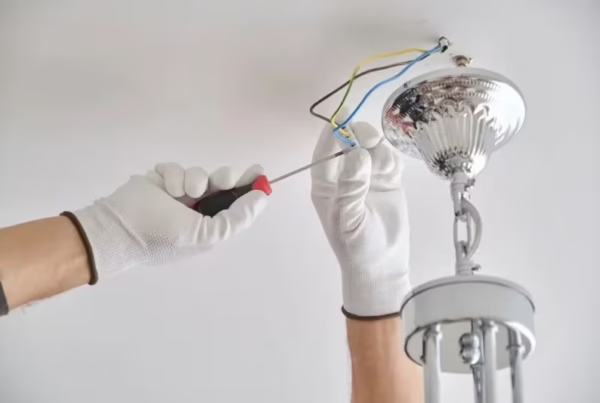
The scope of electrical safety regulations for home renovation work covers far more than most homeowners expect. It’s not just about new power points or light fittings — it includes anything that touches or affects your home’s electrical system.
Here’s what typically triggers a compliance requirement during a renovation:
- Adding or relocating power points, light switches, or light fittings
- Installing new circuits for a kitchen, bathroom, laundry, or outdoor area
- Upgrading or replacing a switchboard or consumer mains
- Installing fixed appliances such as ovens, cooktops, air conditioners, or hot water systems
- Adding safety switches (RCDs) or circuit breakers
- Running new cabling through walls, ceilings, or under floors
- Installing EV chargers or solar-related electrical infrastructure
None of this work can be legally performed by an unlicensed person in Victoria, no matter how handy you are. The one exception is replacing a like-for-like light globe or a standard plug-in appliance — and even then, the wiring behind the fitting must not be touched.
Smoke Alarms and RCD Requirements You Cannot Ignore
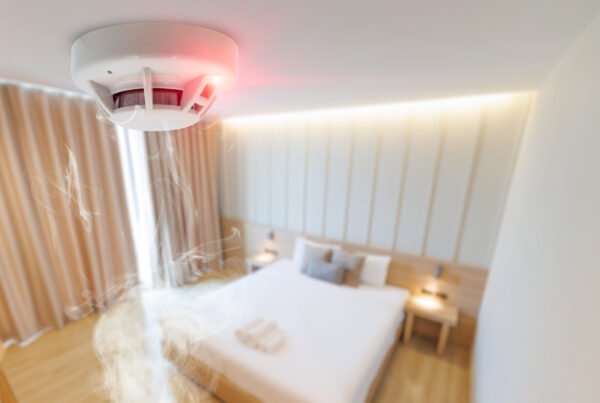
Victoria introduced stricter smoke alarm legislation that affects renovations directly. If you’re carrying out renovation work that requires a building permit, you must upgrade your smoke alarms to interconnected photoelectric alarms that comply with AS 3786:2014. This is non-negotiable. You can learn more about compliant smoke alarm installation in Geelong to make sure your renovation ticks every box.
Residual Current Devices (RCDs), commonly called safety switches, are also mandatory on all power and lighting circuits in new installations and major renovations. RCDs detect current leakage and cut power within milliseconds — they’re one of the most effective protections against electrocution and electrical fires.
Bathroom and Wet Area Electrical Rules
Bathrooms are one of the most heavily regulated zones in any home renovation. AS/NZS 3000 defines specific “zones” within bathrooms where certain types of electrical equipment are prohibited or restricted. For example, general-purpose power points cannot be installed within 1.25 metres of a shower or bath.
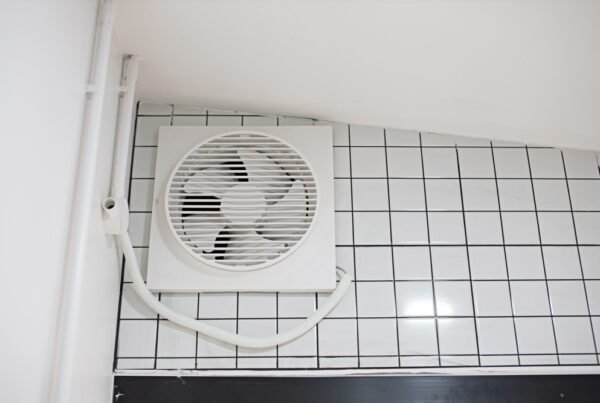
Exhaust fans are a requirement in bathrooms without adequate natural ventilation, and they must be installed by a licensed electrician. If you’re renovating a bathroom in Geelong, bathroom exhaust fan installation is one of those jobs that must be done right the first time to avoid moisture damage and compliance issues.
Switchboard Upgrades and Older Geelong Homes
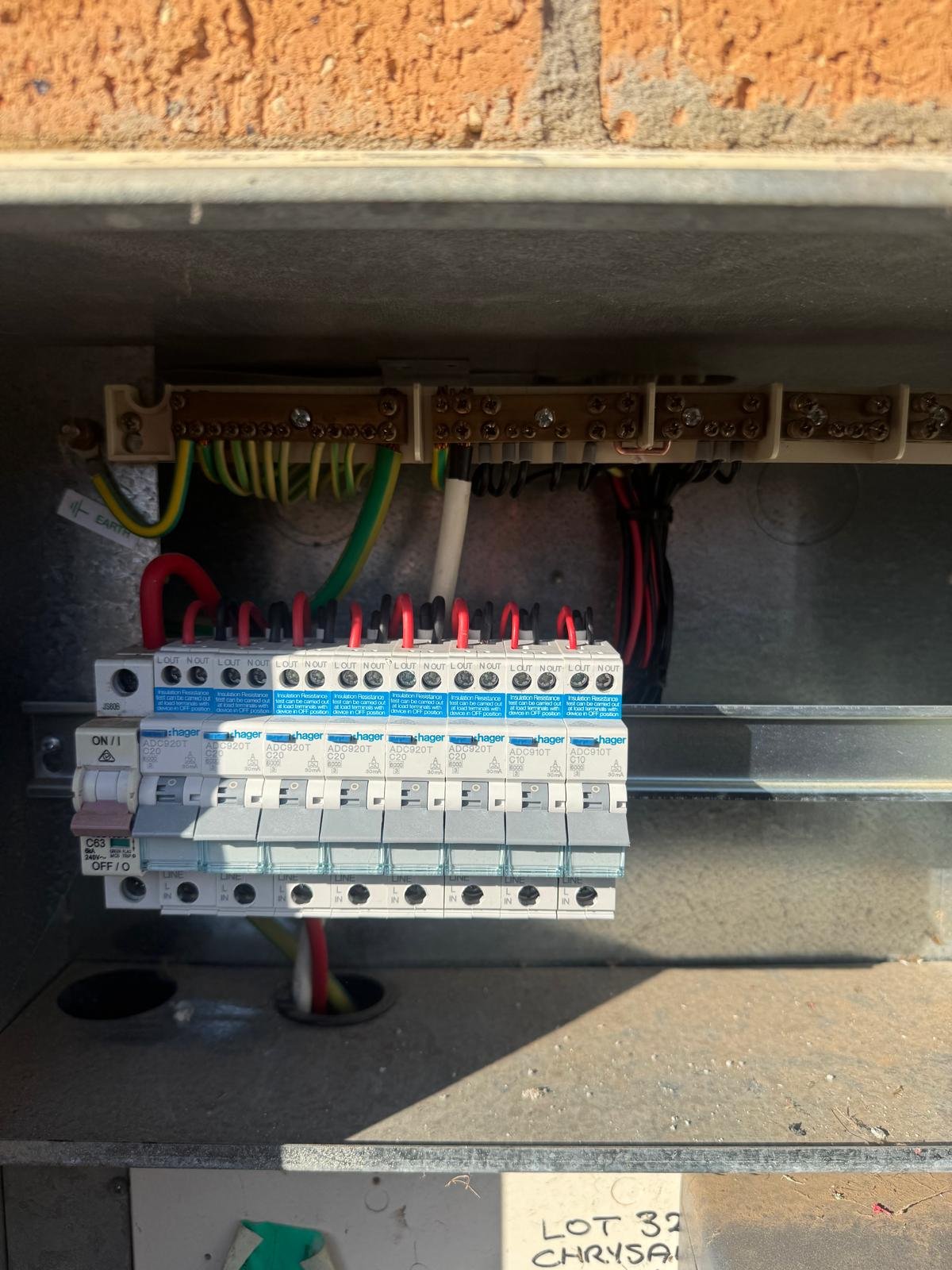
Many Geelong homes built before the 1990s still have ceramic fuse boards rather than modern circuit breaker switchboards. If your renovation increases the electrical load on the home — which is almost inevitable with a kitchen or bathroom reno — your existing switchboard may need upgrading before new circuits can be added safely.
A switchboard upgrade also gives you the opportunity to install RCDs across all circuits, bringing your entire home closer to modern safety standards. It’s an investment that pays for itself in safety, insurance compliance, and peace of mind.
When to Call a Professional
The honest answer is: call a licensed electrician before your renovation begins, not after a problem arises. Planning your electrical work early means fewer surprises, no costly rework, and a clear compliance pathway from start to finish.
BTD Electrical & Data works with Geelong homeowners at every stage of the renovation process — from initial planning and load assessments through to final inspections and issuing your Certificate of Electrical Safety. Whether you’re renovating a single room or undertaking a full home transformation, having a licensed professional involved from day one protects your investment and your family.
If you’re unsure whether your existing wiring is up to the task, an electrical safety check in Geelong is an excellent starting point. It gives you a clear picture of what you’re working with before any walls come down.
For urgent electrical issues that arise mid-renovation, BTD Electrical & Data also offers around-the-clock support — don’t leave live electrical hazards unattended on a job site.
Conclusion
Understanding electrical safety regulations for home renovation projects in Geelong isn’t just about avoiding fines — it’s about protecting your home, your family, and your investment. From mandatory RCDs and smoke alarm upgrades to bathroom zone restrictions and switchboard compliance, the rules are detailed and enforced for good reason.
The key takeaways are simple: always use a licensed electrician, obtain your Certificate of Electrical Safety, and plan your electrical scope before the renovation starts. If you’re ready to get your Geelong renovation off to a safe and compliant start, reach out to BTD Electrical & Data today for an obligation-free consultation.
Frequently Asked Questions
Can I do any electrical work myself during a home renovation in Victoria?
In Victoria, virtually all electrical installation work must be carried out by a licensed electrician. You can replace a like-for-like light globe or connect a plug-in appliance, but any work involving wiring, switchboards, or fixed electrical fittings must be performed by a licensed professional and covered by a Certificate of Electrical Safety.
What is a Certificate of Electrical Safety and do I need one?
A Certificate of Electrical Safety (CES) is a legal document issued after a licensed electrician completes and inspects electrical installation work. In Victoria, it is required for any new electrical work carried out during a renovation. Without it, your work is non-compliant, which can affect your home insurance and your ability to sell the property in the future.
Do I need to upgrade my smoke alarms when renovating in Geelong?
Yes. If your renovation requires a building permit, Victorian legislation requires you to upgrade to interconnected photoelectric smoke alarms that comply with AS 3786:2014. These must be installed by a licensed electrician and positioned in accordance with the relevant standards. It’s a legal requirement, not optional.
How do I know if my switchboard needs upgrading before I renovate?
If your home still has a ceramic fuse board, or if your renovation will add significant new electrical loads (such as a new kitchen, air conditioning, or an EV charger), your switchboard will likely need upgrading. A licensed electrician can assess your current switchboard capacity and advise whether an upgrade is required before new circuits can be safely installed. For more about what we do, visit our homepage.