
The Quick Answer: What Grants Exist for Home EV Charger Installation?
If you’re asking whether an ev charger home installation grant exists in Australia in 2026, the honest answer is: it depends on your state, your income, and your circumstances. There is no single national grant covering every homeowner, but a combination of state-based rebates, federal incentives, and employer schemes can significantly reduce your out-of-pocket costs — sometimes by hundreds of dollars.
Why Torquay Homeowners Are Asking This Question
Electric vehicles are increasingly common on the Surf Coast. Whether you’re commuting to Geelong or doing weekend runs along the Great Ocean Road, the convenience of waking up to a fully charged EV at home is hard to beat. That’s driving a surge of interest in home charging solutions across Torquay, Jan Juc, and the broader region.
The challenge is that government incentive programmes change frequently, and the information online is often outdated or written for a different state entirely. This guide cuts through the noise with accurate, up-to-date information relevant to Victorian residents.
Federal Incentives: The Electric Car Discount Act
At the federal level, the Australian Government’s Electric Car Discount policy removed Fringe Benefits Tax (FBT) on eligible electric vehicles provided through employer novated lease arrangements. While this isn’t a direct ev charger home installation grant, it can be structured to include the cost of a home charging unit and its installation — making it a powerful way to reduce your total EV ownership costs.
If your employer offers salary packaging, it’s worth asking your HR or payroll team whether a home charger can be bundled into your novated lease agreement. Many Australians are leaving this saving on the table simply because they haven’t asked.
Victorian State Rebates and Incentives in 2026
Victoria has been one of the more active states when it comes to EV incentives. Here’s what’s currently available or recently concluded that you should be aware of:
- Zero Emissions Vehicle (ZEV) Subsidy: Victoria previously offered a $3,000 subsidy on new EVs under a certain price threshold. Check the current status with the Victorian Government’s Energy Compare website, as eligibility criteria and funding rounds change.
- Solar Homes Programme: If you’re pairing a home charger with a solar panel system, you may be eligible for solar rebates that reduce overall installation costs — indirectly making your EV charging setup more affordable.
- Ausgrid and Distributor Trials: Some network distributors have run smart charger trials offering subsidised or free smart EV chargers to participants. These programmes are limited but worth monitoring.
- Council and Community Grants: Surf Coast Shire has historically supported sustainability initiatives. Contact the council directly to ask whether any local grants apply to residential EV infrastructure.
What Does Home EV Charger Installation Actually Cost?
Before chasing a grant, it helps to understand the baseline cost. A standard Level 2 home charger (also called an AC wall box or EVSE, short for Electric Vehicle Supply Equipment) varies in price depending on the brand and features you choose. Installation by a licensed electrician is quoted on top, and depends on your switchboard’s condition, cable run length, and whether a dedicated circuit is required.
Older Torquay homes — particularly those built before the 1990s — often need a switchboard upgrade before a charger can be safely installed. This is an important cost to factor in from the start. You can learn more about what’s involved by visiting our page on EV chargers Geelong.
DIY vs. Licensed Electrician: What the Law Says
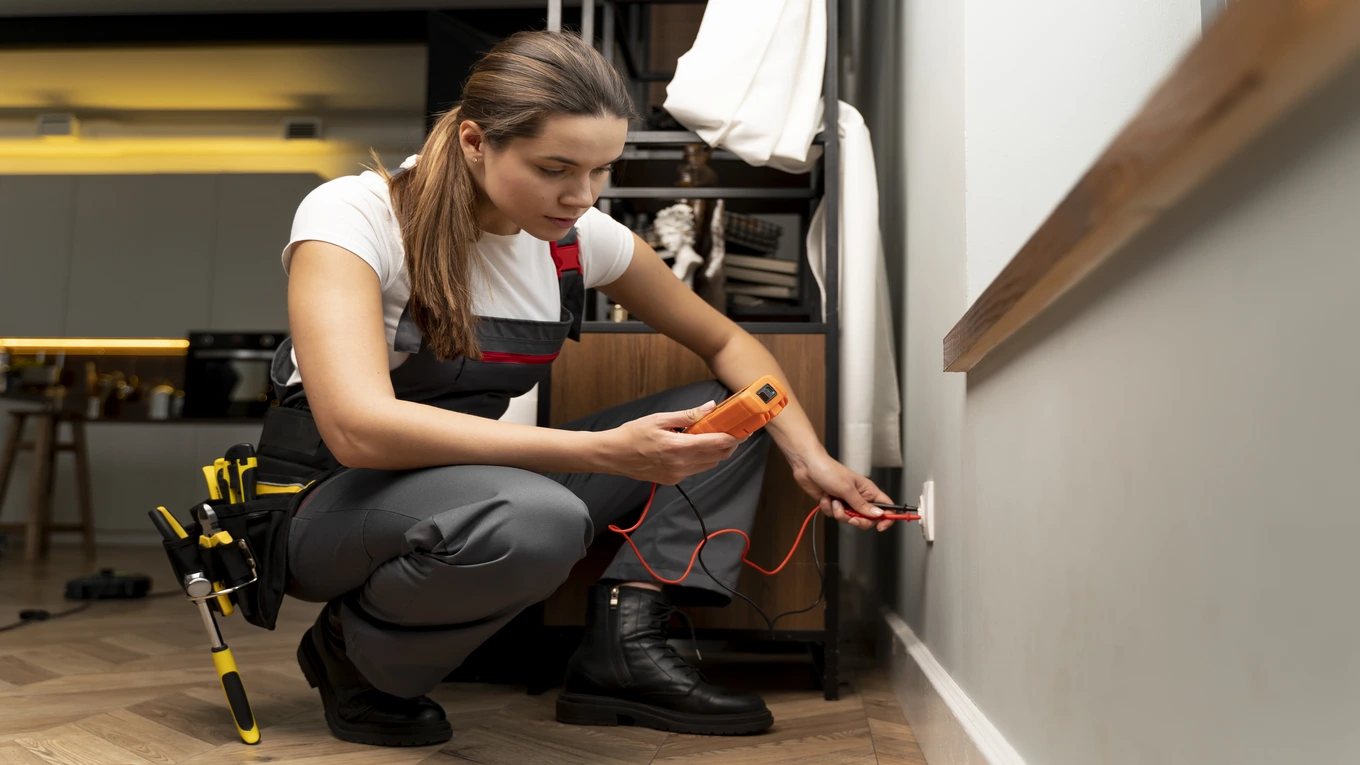
This one is non-negotiable in Australia. Under the Electricity Safety Act 1998 (Vic) and AS/NZS 3000 Wiring Rules, all fixed electrical work — including the installation of a home EV charger — must be carried out by a licensed electrician. Attempting to install a charger yourself is illegal, void your home insurance, and create a serious fire or electrocution hazard.
The good news is that a licensed electrician will also issue a Certificate of Electrical Safety, which is required by most grant and rebate programmes as proof of compliant installation. So getting a professional in isn’t just the safe option — it’s often a condition of claiming any ev charger home installation grant.
Practical Steps to Maximise Your Savings
- Check the current Victorian Government Energy Compare website for active EV and solar rebates.
- Ask your employer whether your novated lease can include a home charger under the FBT exemption.
- Contact Surf Coast Shire Council to ask about local sustainability grants.
- Get a site assessment from a licensed electrician to understand your switchboard’s readiness.
- Choose a charger brand and model that is compatible with your vehicle and eligible under any current rebate scheme.
If you’re also considering solar panels, the combination of a solar system and a home EV charger is one of the smartest long-term investments a Torquay homeowner can make. Our team services the entire Surf Coast, including Electrician Surf Coast areas and surrounding communities.
When to Call a Professional
If you’ve done your research on available grants and you’re ready to move forward, the next step is getting a qualified electrician to assess your home. This is especially important if your switchboard is older, if you’re unsure about your home’s current electrical capacity, or if you want to ensure your installation qualifies for any available rebate or grant.
BTD Electrical & Data are experienced in residential EV charger installations across Torquay and the Surf Coast. We can assess your switchboard, recommend the right charging solution for your vehicle and lifestyle, and complete the installation to Australian standards — issuing all required compliance documentation. We also cover nearby areas including Jan Juc and Ocean Grove.
Don’t leave grant money on the table because of an installation that doesn’t meet requirements. Contact BTD Electrical & Data today to book your EV charger consultation.
Conclusion
An ev charger home installation grant isn’t always a straightforward lump-sum payment — in Australia in 2026, the savings come from a combination of state rebates, federal FBT exemptions, and smart programme stacking. Victorian homeowners in Torquay are well-positioned to take advantage of these, particularly when pairing EV charging with solar.
The key takeaways: always use a licensed electrician (it’s the law and often a grant condition), check current Victorian Government rebate programmes regularly, and explore employer novated lease options. Ready to get started? Reach out to BTD Electrical & Data for expert advice tailored to your home and your EV.
Frequently Asked Questions
Is there a specific government grant for EV charger home installation in Victoria?
As of 2026, Victoria does not offer a standalone grant exclusively for home EV charger installation. However, the state’s ZEV subsidy, Solar Homes Programme, and federal FBT exemptions can be combined to meaningfully reduce your total costs. Always check the Victorian Government’s Energy Compare portal for the most current programmes, as these change regularly.
Can I install a home EV charger myself to save money?
No. Under Victorian law and Australian Standards (AS/NZS 3000), all fixed electrical work must be performed by a licensed electrician. DIY installation is illegal, dangerous, and will void your home insurance. It will also disqualify you from any rebate or grant that requires a Certificate of Electrical Safety.
How long does a home EV charger installation take?
In most cases, a straightforward installation takes between two and four hours. If your switchboard requires an upgrade or a new dedicated circuit needs to be run from a remote location, the job may take longer. Your electrician will give you a clear timeframe after an initial site assessment.
Does pairing solar panels with an EV charger help reduce costs?
Absolutely. Charging your EV during daylight hours using solar-generated electricity can dramatically reduce your ongoing energy costs. It also makes you eligible for solar-specific rebates under Victoria’s Solar Homes Programme, which can offset part of your overall installation expenditure. An experienced local electrician can help you design a system that maximises both solar generation and EV charging efficiency. For more about what we do, visit our homepage.