
What Are the Signs of Faulty Wiring in a House?
The most common signs of faulty wiring in a house include flickering lights, frequently tripping circuit breakers, burning smells near power points, discoloured switch plates, and buzzing or crackling sounds from your walls. Recognising these warning signs early can be the difference between a quick repair and a devastating house fire.
For homeowners in Torquay and along the Surf Coast, older weatherboard homes and coastal properties face unique electrical challenges. Salt air accelerates corrosion, and many homes built before the 1990s still carry outdated wiring that simply wasn’t designed to handle modern electrical loads. Knowing what to look for could save your home — and your family.
Why Faulty Wiring Is a Serious Hazard
Electrical faults are one of the leading causes of house fires in Australia. According to fire safety authorities, a significant proportion of residential fires are traced back to wiring defects, faulty appliances, or deteriorated electrical infrastructure. The risk is especially real in homes that haven’t had an electrical inspection in years.
Faulty wiring doesn’t always announce itself dramatically. More often, it builds quietly behind walls and inside switchboards until a serious event occurs. That’s why understanding the early warning signs matters so much.
Common Signs of Faulty Wiring in a House
Here are the key warning signs every Torquay homeowner should watch for:
- Flickering or dimming lights — especially when you turn on appliances, this suggests an overloaded circuit or loose wiring connections.
- Frequently tripping circuit breakers or blown fuses — your switchboard is designed to protect you, but repeated trips indicate an underlying wiring fault.
- Burning smell or scorch marks — a burning odour near power points or switches, or discolouration around outlet covers, is a serious red flag.
- Buzzing, crackling, or sizzling sounds — these noises from walls, power points, or the switchboard often point to arcing, which can ignite surrounding materials.
- Warm or hot power points and switch plates — outlets should never feel warm to the touch; this indicates excessive resistance or a loose connection.
- Sparks when plugging in appliances — occasional minor sparks can be normal, but large or recurring sparks signal a wiring problem.
- Outlets that don’t work — dead power points may indicate a broken circuit, deteriorated wiring, or a fault in the switchboard.
If you’re experiencing any combination of these issues, don’t dismiss them as minor inconveniences. Each one can point to a potentially dangerous electrical fault within your home’s wiring system.
Older Homes and Outdated Wiring: A Torquay Reality
Many homes along the Surf Coast were built in the 1960s through 1980s, when wiring standards were very different. Some of these properties still contain older wiring types such as rubber-insulated or aluminium wiring, both of which degrade significantly over time. Rubber insulation becomes brittle and cracks, exposing live conductors inside your walls.
If your home hasn’t been rewired or inspected in the past decade, the risk of undetected faults is real. Upgrading to modern wiring and a compliant switchboard brings your home in line with AS/NZS 3000:2018 — the Australian and New Zealand Wiring Rules that govern all residential electrical installations. You can learn more about electrical safety standards through Energy Safe Victoria, the state’s electrical safety regulator.
Booking an electrical safety check is one of the most straightforward ways to get a clear picture of your home’s wiring health. A licensed electrician will inspect your switchboard, test circuits, and identify any areas of concern before they become emergencies.
What You Can Safely Check Yourself
While all electrical repair work must be carried out by a licensed electrician in Victoria, there are a few things you can safely observe as a homeowner. Walk through your home and take note of any discolouration around power points or light switches. Check whether your switchboard has a safety switch (RCD) installed — if it doesn’t, that’s a significant safety gap worth addressing promptly.
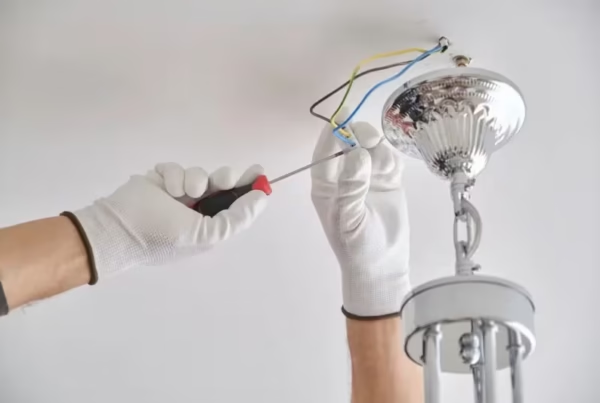
You can also reset a tripped circuit breaker yourself, but if it trips again immediately or repeatedly, stop using that circuit and call a professional. Never attempt to open power points, access wiring inside walls, or interfere with your switchboard — these tasks are legally restricted to licensed electricians in Victoria.
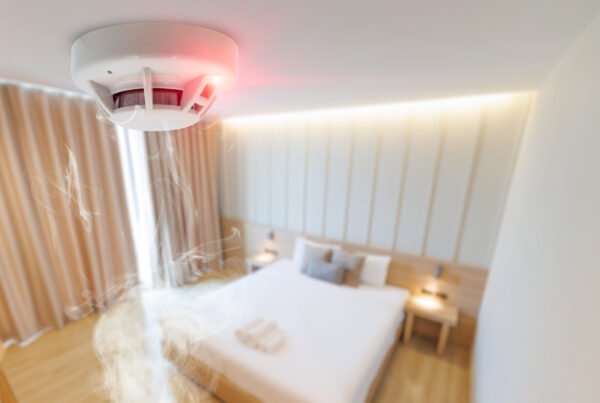
If you have concerns about your smoke alarms as well, it’s worth checking out smoke alarm installation options — working alarms are your first line of defence if a wiring fault does lead to a fire.
When to Call a Professional
If you’ve noticed any of the signs of faulty wiring in a house described above, it’s time to call a licensed electrician — don’t wait. Electrical faults don’t improve on their own, and delaying an inspection puts your property and everyone inside it at risk.
BTD Electrical & Data serves Torquay and the surrounding Surf Coast region, offering thorough electrical inspections, fault finding, and repairs for residential properties. Whether you’ve noticed a burning smell, a tripping switchboard, or simply haven’t had your wiring checked in years, the team at BTD Electrical & Data on the Surf Coast is ready to help. For urgent electrical issues, a 24-hour electrician is also available when you can’t afford to wait.
Contact BTD Electrical & Data today to book an inspection and get peace of mind about your home’s electrical safety.
Conclusion
The signs of faulty wiring in a house range from subtle — like a slightly warm power point — to alarming, like burning smells or sparking outlets. In Torquay’s mix of older coastal homes and newer builds, staying alert to these warning signs is an essential part of responsible home ownership.
Don’t ignore what your home is telling you. Schedule a professional electrical inspection, ensure your safety switches are working, and address any faults promptly. Your family’s safety is worth it — reach out to BTD Electrical & Data to book your inspection today.
Frequently Asked Questions
How do I know if my house has dangerous wiring?
Key indicators include flickering lights, frequently tripping circuit breakers, burning smells near power points, discoloured outlet covers, and buzzing sounds from walls or the switchboard. If you notice any of these signs, contact a licensed electrician for a professional inspection as soon as possible.
Is old wiring always dangerous?
Not necessarily, but older wiring types — particularly rubber-insulated or aluminium wiring common in homes built before the 1980s — deteriorate over time and can become hazardous. An electrical safety inspection will determine whether your wiring is still safe or needs upgrading to meet current Australian standards.
Can faulty wiring cause a house fire?
Yes. Faulty wiring is one of the leading causes of residential fires in Australia. Arcing, overheating, and deteriorated insulation can all ignite surrounding building materials. Ensuring your home’s wiring is in good condition and that working smoke alarms are installed significantly reduces this risk.
Do I need a safety switch in my Torquay home?
Yes. Under Victorian electrical safety regulations, all residential properties are required to have safety switches (RCDs) installed on power and lighting circuits. If your switchboard doesn’t have them, you should have a licensed electrician install them promptly — they can detect faults and cut power within milliseconds to prevent electrocution. For more about what we do, visit our homepage.