
Installing new electrical sockets and switches may seem simple, but proper installation is essential for safety, functionality, and compliance. In this 2026 guide for Australia, we explain everything you need to know about electrical socket and switch installation, including planning, costs, types, and tips for successful projects. With guidance from BTD Electrical and Data, you can ensure your home or business is safely wired and fully functional.
Correct installation prevents hazards like short circuits, electric shocks, and fire risks, while also allowing your property to meet Australian standards. By understanding the process and requirements, you can make informed decisions and plan your electrical upgrades efficiently.
Why Professional Installation Matters
Installing sockets and switches properly is crucial for:
- Safety: Compliant installation prevents electrical faults and hazards.
- Convenience: Strategically placed outlets and switches enhance usability.
- Durability: Quality installation extends the lifespan of your electrical components.
BTD Electrical and Data provide professional installation for both residential and commercial properties, ensuring each socket and switch meets AS/NZS 3000 standards.
Planning Your Installation
Before installation, consider the following:
- Purpose and placement: Identify areas where additional sockets or switches are needed for convenience and safety.
- Circuit capacity: Ensure existing circuits can handle added loads without tripping breakers.
- Fixture compatibility: Confirm switches and sockets match existing wiring and panels.
- Accessibility: Consider height and positioning for ease of use.
Good planning ensures efficient installation and reduces potential safety risks.
Types of Sockets and Switches
Australia has a variety of socket and switch types to suit different needs:
- Standard power outlets: Used for general household appliances.
- GPOs (General Power Outlets) with USB ports: Ideal for modern charging needs.
- Double power points: Useful for kitchens, home offices, and media areas.
- Single and double switches: Control lighting and appliances.
- Dimmer switches: Adjust lighting intensity for ambience and energy efficiency.
- Weatherproof outdoor sockets and switches: Suitable for gardens, patios, and external power needs.
Choosing the correct type ensures safety, convenience, and compliance. BTD Electrical and Data can advise on the right options for your property.
Tools and Equipment Needed
Proper installation requires the right tools:
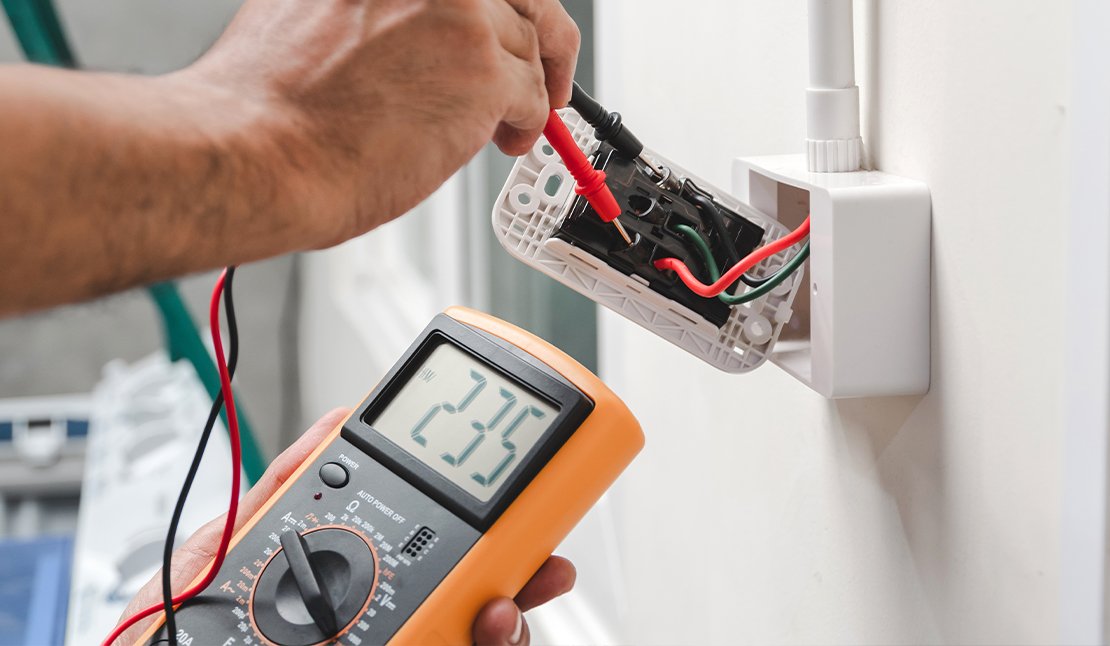
- Voltage tester or multimeter
- Screwdrivers, pliers, and wire cutters
- Wire strippers
- Drill and mounting hardware
- Insulation tape and wire connectors
- Electrical boxes and faceplates
Using appropriate tools ensures the work is safe, reliable, and long-lasting.
Steps for Socket and Switch Installation
Installing sockets and switches involves several careful steps:
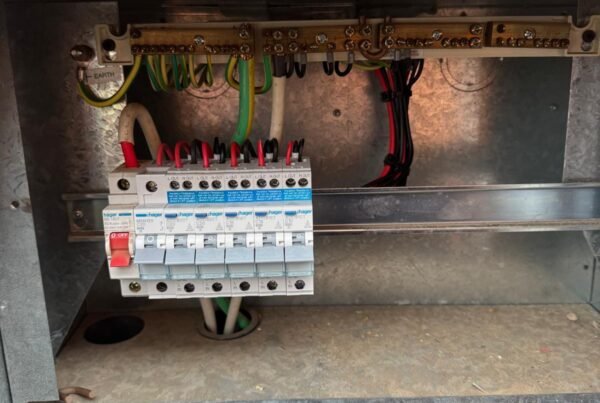
- Turn Off Power: Always isolate the relevant circuit at the switchboard.
- Remove Existing Fixtures: Detach old sockets or switches while noting wiring connections.
- Check Wiring: Inspect wires for damage, corrosion, or inadequate capacity.
- Install Electrical Boxes: Ensure boxes are securely mounted and level.
- Connect Wires: Match active (brown), neutral (blue), and earth (green/yellow) wires accurately.
- Secure and Test: Attach faceplates, restore power, and verify proper functionality.
Following these steps correctly prevents hazards and ensures compliance with Australian standards.
Common Challenges During Installation
Even simple installations can encounter challenges:
- Old or non-standard wiring: Older homes may require rewiring or additional circuits.
- Insufficient circuit capacity: Adding multiple outlets may overload existing circuits.
- Damaged walls or mounting surfaces: May require additional support or modification.
- Heavy-duty switches: Some switches, like dimmers or multi-way systems, need careful wiring and adjustment.
Identifying these challenges early prevents costly mistakes and ensures a smooth installation.
Cost Considerations in Australia
Costs vary based on fixture type, complexity, and location:
- Standard power outlets: AUD 80–150 each
- GPOs with USB ports: AUD 120–200 each
- Single light switches: AUD 70–120
- Dimmer switches: AUD 150–250 each
- Weatherproof outdoor sockets/switches: AUD 150–300 each
BTD Electrical and Data provide clear, upfront quotes that cover labour, materials, and any necessary safety upgrades, so you know exactly what to budget.
DIY vs Professional Installation
While some homeowners may attempt minor installations, professional electricians are recommended for:
- New circuits or panel modifications
- Installing heavy-duty or outdoor-rated switches and sockets
- Ensuring compliance with AS/NZS 3000
- Resolving wiring issues in older properties
Professional installation ensures safety, efficiency, and peace of mind.
Energy Efficiency and Modern Features
Modern sockets and switches can improve efficiency and convenience:
- USB-enabled outlets: Reduce need for adaptors and improve charging efficiency.
- LED-compatible dimmers: Enhance energy savings for lighting systems.
- Smart switches and sockets: Allow remote control, scheduling, and monitoring of usage.
Incorporating these features enhances functionality while reducing energy costs.
When to Call a Professional
Call a licensed electrician for:
- Adding sockets or switches to new circuits
- Outdoor or wet-area installations
- Upgrading outdated wiring or panels
- Complex lighting or multi-way switch systems
BTD Electrical and Data offer safe, compliant, and reliable installation services across Australia, ensuring your electrical upgrades are done right the first time.
Maintenance Tips
Maintain sockets and switches to ensure longevity and safety:
- Inspect regularly for signs of damage, burning, or loose connections
- Clean dust and debris around outlets and switches
- Replace worn or malfunctioning components promptly
- Address flickering lights or tripped circuits immediately
Regular maintenance reduces risk of electrical hazards and extends the lifespan of fixtures.
Conclusion
Electrical socket and switch installation is essential for safety, convenience, and modern functionality in any property. By understanding installation steps, types of fixtures, costs, and safety standards, you can plan your project with confidence. For professional, safe, and reliable installation, trust BTD Electrical and Data to handle your electrical needs. Upgrade your property’s electrical system today and enjoy a safer, more functional home or business.
FAQ
Q1: Can I install sockets and switches myself?
A1: Only if you are experienced with mains electricity and follow strict safety guidelines. For anything involving new circuits or complex wiring, hire a licensed electrician.
Q2: How much does installation cost in Australia?
A2: Standard outlets range from AUD 80–150, switches from AUD 70–120, and advanced options like dimmers or outdoor-rated fixtures can cost up to AUD 300 each.
Q3: Are there safety standards I need to follow?
A3: Yes, all installations must comply with AS/NZS 3000 to ensure electrical safety.
Q4: How do I maintain my sockets and switches?
A4: Regular inspections, cleaning, and prompt replacement of damaged components help ensure safe and reliable operation.