
Home safety is something most of us don’t think about until we hear a low battery beep at two in the morning—or worse, when an emergency happens. A properly installed smoke alarm is one of the simplest yet most effective ways to protect your family, property, and peace of mind. In a matter of seconds, an early warning can make the difference between a safe escape and a devastating outcome.
If you’re planning a smoke alarm installation in Torquay, understanding where alarms should be installed, which type suits your home, and how Australian regulations apply is essential. At BTD Electrical & Data, we help homeowners install reliable smoke alarm systems that meet current safety standards while providing long-term protection. Before booking your installation, explore our Smoke Alarm Services to learn about the solutions available for your home.
Why Smoke Alarm Installation Is Essential
All homes have fire hazards, such as cooking appliances, electrical equipment, heating systems or common accidents. Fires spread fast . Especially at night , when everyone is sleeping . Smoke alarms give early warning, giving occupants vital time to escape safely before conditions become fatal.
Today’s smoke alarm installations are more involved than simply sticking a device up on the ceiling. Today’s systems are designed to detect smoke quickly, reduce false alarms and communicate via interconnected technology between rooms. Professionally installed, these features greatly enhance household safety and help homeowners to meet Australian building requirements.
Understanding Australian Smoke Alarm Requirements
Australian smoke alarm rules are created to improve fire safety in homes and to ensure alarms are working when they are needed the most. Depending on the age of your home, renovation work and local building codes, different installation standards may apply.
Torquay and Victorian homeowners should be mindful of current requirements when planning new installations or replacing ageing alarms. By dealing with qualified electricians you know that your system will be up to the required Australian Standards and will perform reliably for years to come.
Professional smoke alarm installation gives homeowners the peace of mind that each alarm has been correctly placed, connected and tested to the appropriate regulations, instead of leaving it to chance.
Choosing the Right Smoke Alarm for Your Home
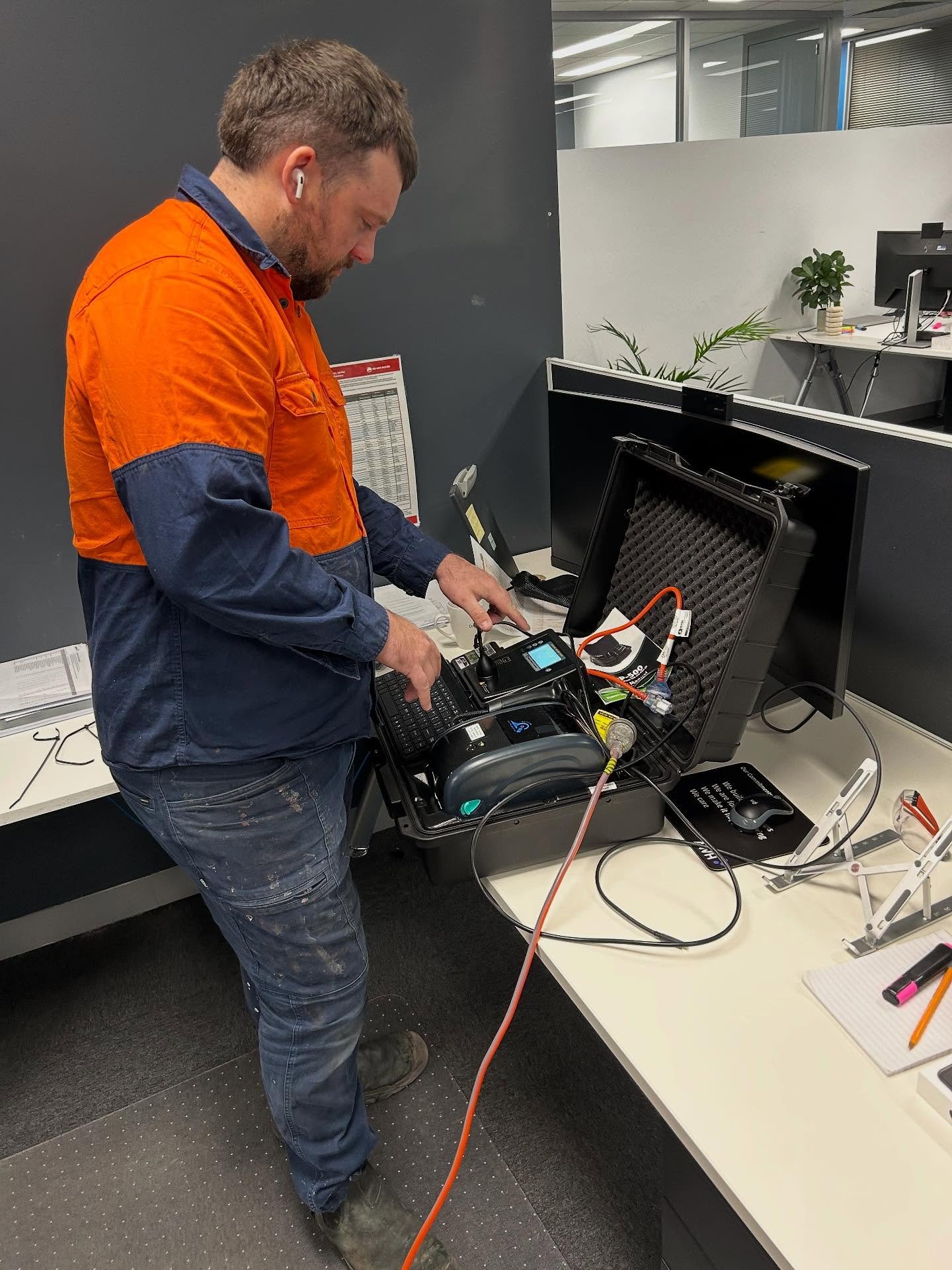
Not every property requires exactly the same solution. The ideal smoke alarm system depends on the home’s size, layout, number of bedrooms, electrical wiring, and whether you’re building, renovating, or upgrading an older property.
Many homeowners now choose interconnected smoke alarms because they provide greater protection throughout the entire home. When one alarm detects smoke, every connected alarm sounds simultaneously, ensuring everyone receives the warning regardless of where the fire begins.
Other important factors include:
- Photoelectric detection technology.
- Battery-powered or hardwired systems.
- Interconnected functionality.
- Backup battery protection.
- Compliance with Australian Standards.
- Long-life lithium battery options.
Selecting the right equipment at the beginning often reduces future maintenance while improving long-term reliability.
Hardwired vs Battery Smoke Alarms
One of the most common questions homeowners ask is whether they should choose battery-operated alarms or hardwired smoke alarm installation. Both options provide valuable protection, but each offers different advantages depending on the property.
| Feature | Battery Smoke Alarm | Hardwired Smoke Alarm |
| Power Source | Battery only | Mains power with battery backup |
| Installation | Simpler | Professional installation required |
| Reliability | Good | Excellent |
| Maintenance | Regular battery replacement | Backup battery checks |
| Ideal For | Existing homes | New homes and renovations |
Hardwired smoke alarm installation is often preferred during renovations and new builds because the alarms remain powered through the home’s electrical system while maintaining backup battery protection during power outages.
Where Should Smoke Alarms Be Installed?
Selecting the right alarm is as important as placing your alarm correctly. No matter how good your smoke detector is, it won’t function properly if it’s installed in the wrong place.
Install smoke alarms in hallways leading to bedrooms, in sleeping areas when required, and on every level of the home. Bigger homes may require additional alarms for full coverage. Kitchens, bathrooms, ceiling fans and air-conditioning vents should be considered carefully as steam or air flow can impact the performance of the alarm.
Professional residential smoke alarm installation takes into account ceiling height, room layout, airflow and building design to optimise effectiveness and reduce nuisance alarms.
Why Professional Installation Makes a Difference
It’s not as simple as it looks to install a smoke alarm. It takes more than just putting up a device to be fully compliant and to ensure reliable performance. Professional Electricians know wiring requirements, alarm placement, interconnecting systems, testing procedures and the current Australian Standards.
Experienced installers will also see potential problems that a homeowner may not think of, like alarms being poorly placed, devices being incompatible, wiring being old or coverage being insufficient in larger homes. These small details can make a huge difference in how well the system works in an emergency.
Choosing professional smoke alarm installation also means you can be confident that every component has been installed safely, tested correctly and configured to work together as intended.
Understanding Interconnected Smoke Alarms
Today’s interconnected smoke alarms are among the greatest advances in home fire safety. Rather than working individually, all of the alarms communicate with each other across the property.
Imagine that there is a fire in the garage and your family is sleeping upstairs. A stand alone alarm will only alarm in the garage which delays the warning for people in other parts of the home. If smoke alarms are wired together, they all go off at the same time, giving everyone the greatest possible warning to get out safely.
This extra layer of protection can be especially helpful in bigger homes with more than one bedroom, split-level designs or separate living spaces.
Smoke Alarm Replacement: Knowing When It’s Time
Like any electrical safety device, smoke alarms don’t last forever. Even if an alarm still produces a sound during testing, ageing sensors may become less responsive over time. Most manufacturers recommend replacing smoke alarms after their specified service life, typically around ten years, depending on the model.
Signs that replacement may be needed include frequent false alarms, persistent low-battery warnings despite battery replacement, visible discolouration, physical damage, or alarms approaching the end of their recommended lifespan. Upgrading older alarms also allows homeowners to benefit from newer technologies, including photoelectric sensors, interconnected functionality, and improved reliability.
If you’re unsure whether your existing alarms remain compliant, our Electrical Safety Inspections service (Internal Link: /electrical-safety-inspections) can help assess your home’s current smoke alarm system and recommend any necessary upgrades.
For official guidance on smoke alarms and residential fire safety in Australia, visit the Australian Government’s Fire Safety Information through the Australian Building Codes Board
Smoke Alarm Maintenance Keeps Your Family Protected
Installing smoke alarms is only the first step. Ongoing smoke alarm maintenance ensures the system continues performing reliably throughout its service life. Dust, insects, ageing sensors, battery issues, and accidental damage can all affect performance if regular inspections are ignored.
Simple maintenance such as cleaning alarms, testing monthly, checking battery condition, and arranging periodic professional inspections helps identify small issues before they become major safety concerns. Many homeowners also schedule an annual smoke alarm testing service to confirm every device continues operating correctly and remains compliant with current recommendations.
Choosing the Best Smoke Alarms for Homes
With so many products available, choosing the best smoke alarms for homes can feel overwhelming. The right alarm depends on your property’s layout, the age of the building, and whether you’re installing a completely new system or upgrading existing devices. While it may be tempting to choose the cheapest option, investing in quality smoke alarms often provides better reliability, longer service life, and improved detection performance.
Photoelectric smoke alarms are widely recommended because they respond quickly to slow, smouldering fires, which are common in residential properties. Many modern units also include long-life lithium batteries, wireless interconnection, and self-monitoring features that notify homeowners when maintenance or replacement is required. Working with an experienced electrician ensures the alarms selected are suitable for your home while complying with current Australian requirements.
Why Compliant Smoke Alarms Matter
Installing compliant smoke alarms Australia homeowners can rely on is about more than satisfying regulations. Compliance ensures every alarm has been tested to recognised safety standards and is capable of providing dependable performance during an emergency. Non-compliant or outdated alarms may fail to detect smoke quickly enough or may not operate correctly when they’re needed most.
Qualified electricians stay informed about current Australian Standards, helping homeowners install systems that provide both legal compliance and genuine peace of mind. This becomes particularly important during renovations, property sales, rental inspections, or insurance assessments, where smoke alarm compliance may be reviewed as part of broader safety requirements.
A professionally installed, compliant system also reduces uncertainty. Instead of wondering whether each alarm is positioned correctly or functioning properly, you can be confident your home’s fire protection has been designed with safety as the highest priority.
Common Smoke Alarm Mistakes Homeowners Should Avoid
Many smoke alarm problems are caused not by faulty equipment, but by simple installation or maintenance mistakes. Fortunately, most are easy to avoid with the right advice and professional support.
Some of the most common issues include:
- Installing alarms too close to kitchens or bathrooms.
- Ignoring low-battery warning beeps.
- Forgetting to replace alarms after their recommended lifespan.
- Painting over smoke alarms during renovations.
- Removing batteries to stop nuisance alarms.
- Failing to test alarms regularly.
- Using incompatible alarms in interconnected systems.
Avoiding these mistakes helps your smoke alarm installation continue protecting your family exactly as intended.
Smoke Alarm Testing Should Never Be Overlooked
Installing quality alarms is only one part of an effective home safety strategy. Regular testing confirms that every alarm continues operating correctly and provides early warning when required. Monthly button tests, routine cleaning, and annual professional inspections all contribute to maintaining reliable performance.
A professional smoke alarm testing service goes beyond simply pressing the test button. Electricians inspect sensor condition, wiring connections, battery backup, interconnection performance, and overall compliance. They can also identify ageing devices approaching the end of their service life before they become unreliable.
For busy homeowners, scheduling routine inspections removes the guesswork from smoke alarm maintenance while ensuring the entire system remains ready to perform during an emergency.
Creating a Safer Home Starts Today
Fire safety isn’t something homeowners should postpone until tomorrow. Smoke alarms operate quietly in the background every day, but during an emergency they become one of the most important safety devices in your home. Taking the time to install compliant alarms, maintain them properly, and schedule regular inspections protects not only your property but the people who matter most.
Whether you’re moving into a new property, renovating an existing home, or replacing ageing alarms, investing in professional installation today provides long-term peace of mind for years to come.
Final Thoughts
A reliable smoke alarm installation is one of the smartest investments any Torquay homeowner can make. From selecting the right alarm type and ensuring correct placement to maintaining compliance with Australian Standards, every step contributes to faster fire detection and safer evacuation. Regular testing, timely smoke alarm replacement, and professional maintenance all work together to keep your home’s fire protection system operating at its best.
If you’re ready to improve your home’s fire safety, the experienced team at BTD Electrical & Data is here to help. Visit our Contact Us to arrange a professional consultation and discover how our tailored smoke alarm solutions can help protect your family, your home, and your peace of mind.
FAQs
1. How often should smoke alarms be tested?
Smoke alarms should be tested every month using the built-in test button. In addition to monthly checks, professional inspections should be scheduled periodically to ensure sensors, batteries, wiring, and interconnected systems continue operating correctly.
2. When should smoke alarms be replaced?
Most smoke alarms should be replaced after approximately ten years, depending on the manufacturer’s recommendations. Older alarms may still produce warning sounds during testing but can become less effective as sensors age.
3. Are hardwired smoke alarms better than battery-powered models?
Hardwired smoke alarm installation offers continuous mains power with battery backup, making these systems highly reliable for new homes and renovations. Battery-powered alarms remain suitable for many existing homes where hardwiring isn’t practical.
4. What are interconnected smoke alarms?
Interconnected smoke alarms communicate with each other throughout the property. When one alarm detects smoke, every connected alarm sounds simultaneously, providing earlier warning for occupants regardless of where they are inside the home.
5. Why should I choose a professional smoke alarm installation?
Professional installation ensures alarms are correctly positioned, safely wired where required, tested thoroughly, and installed in accordance with current Australian Standards. This provides greater reliability, improved compliance, and confidence that your smoke alarm system will perform effectively during an emergency.