
For most owner-occupied Australian homes, arranging professional electrical safety checks approximately every five years is a sensible precaution. You should book an earlier inspection after buying an older property, completing renovations, experiencing flooding or noticing warning signs. Rental obligations and legally required intervals vary between states and territories.
Electrical systems deteriorate gradually. Loose connections, damaged insulation and overloaded circuits may remain hidden behind walls or inside the switchboard until they cause tripping, overheating, electric shock or fire.
How Often Are Electrical Safety Checks Recommended?
There is no single inspection interval that applies to every owner-occupied home across Australia. State legislation, property use, installation age and risk conditions all affect what may be required.
As a practical guide, consider the following schedule:
- Every five years: A reasonable baseline for a typical owner-occupied home
- Before buying an older property: Particularly when electrical records are unavailable
- After major renovations: Especially if walls, wiring or circuits were altered
- After flooding, storm damage or water entry: Before affected electrical equipment is used
- When warning signs appear: Regardless of the previous inspection date
- More frequently for high-risk properties: Including ageing, coastal or heavily modified homes
Previous Victorian public safety guidance has recommended regular inspections, potentially every five years or when a property changes ownership. Victorian rental providers currently have a separate obligation to arrange an electrical safety inspection every two years under residential tenancy requirements.
Always check the rules that apply in your state or territory, especially if you own a rental property.
What Is Included in a Professional Inspection?
A proper inspection is more detailed than looking at the power points and pressing a few switches. The electrician assesses the installation and performs tests using specialised equipment.
The scope may include:
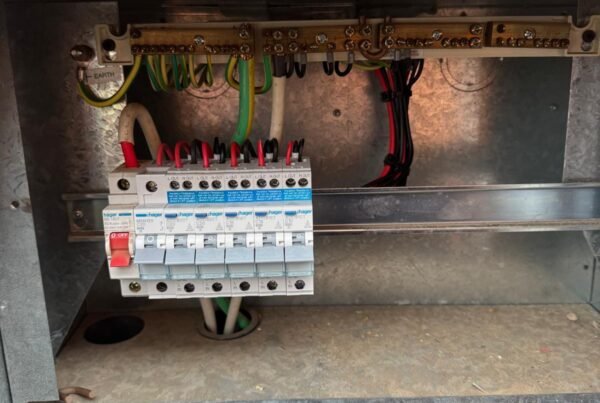
- Inspecting the switchboard and protective devices
- Checking safety switch operation and trip performance
- Examining accessible wiring and connection points
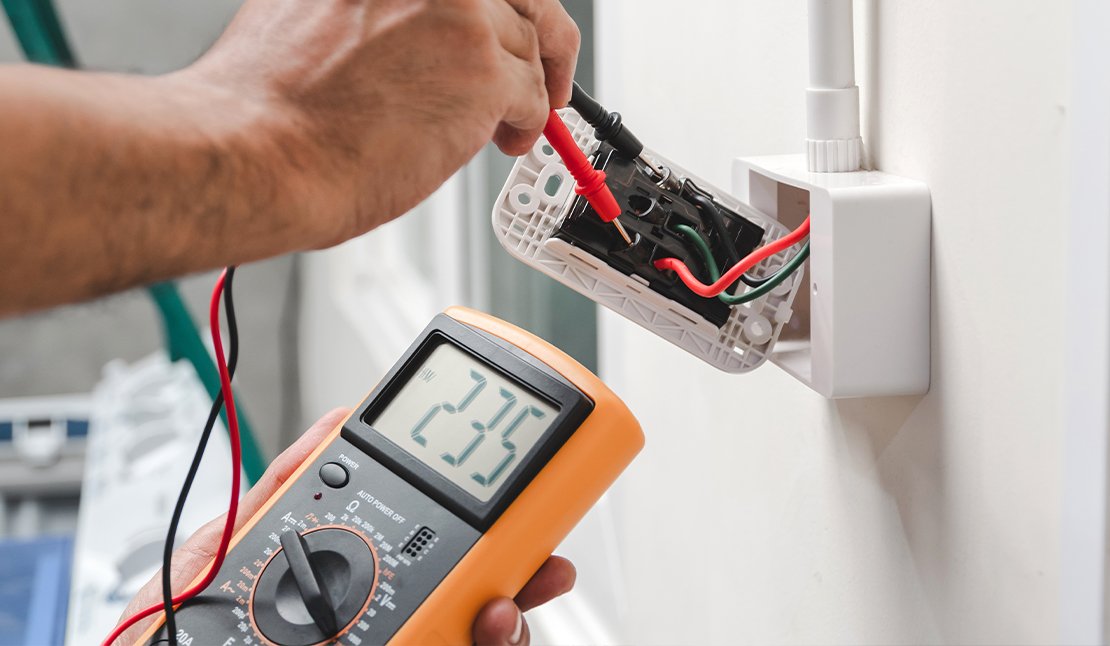
- Testing earthing and circuit continuity
- Identifying damaged or incorrectly installed equipment
- Checking for overloaded or poorly protected circuits
- Inspecting power points, switches and light fittings
- Reviewing signs of overheating, moisture or deterioration
- Recording defects and recommended repairs
The exact scope should be discussed before the appointment. A visual inspection, safety switch test and comprehensive periodic assessment are not necessarily the same service.
Australian electrical safety assessments may refer to standards such as AS/NZS 3019 for periodic assessment and AS/NZS 3000, commonly known as the Wiring Rules. Energy Safe Victoria states that its required rental inspections follow AS/NZS 3019:2022.
Test Your Safety Switches Every Three Months
A homeowner can perform the basic push-button test on a safety switch without opening the switchboard. Authorities in Queensland and Victoria recommend completing this simple test every three months.
To test one:
- Tell everyone in the home that the power will briefly turn off.
- Save computer work and switch off sensitive appliances where appropriate.
- Press the button marked “Test” or “T”.
- Confirm that the device trips and power is disconnected from the protected circuit.
- Reset the switch to the on position.
If it does not trip, cannot be reset or trips again immediately, leave the affected circuit off and contact an electrician. The push-button test does not replace professional instrument testing or a full home inspection.
Homes That May Need More Frequent Attention
Older Properties
Homes built several decades ago may have limited safety switch protection, deteriorated wiring or switchboards designed for much lower electrical demand. Renovations may also have introduced a mixture of old and new wiring.
An older home does not automatically have unsafe wiring, but age increases the importance of proper assessment and maintenance.
Renovated or Extended Homes
Extensions, converted garages, outdoor kitchens and additional air-conditioning systems can place new demands on the installation. Poorly documented work may also make it difficult to determine which circuits supply each area.
Arrange an inspection when you are unsure who completed previous electrical work or whether it was certified.
Coastal and Humid Locations
Salt, moisture and condensation can contribute to corrosion in outdoor fittings, meter boxes and electrical connections. Bathrooms, laundries and outdoor entertainment areas also require particular attention because electricity and moisture create greater risk.
Homes With High Electrical Demand
Modern households may operate induction cooking, several air conditioners, pool equipment, home offices, solar systems, batteries and electric vehicle chargers. An inspection can determine whether circuits and protective devices remain suitable for the load.
Warning Signs That Should Not Wait
Do not wait for your scheduled inspection if you notice:
- Repeated circuit breaker or safety switch tripping
- Flickering or dimming lights
- Warm power points or switches
- Buzzing or crackling sounds
- Burning or melted-plastic smells
- Scorch marks or discolouration
- Electric shocks or tingles
- Damaged cords, fittings or exposed wiring
- Water entering electrical equipment
- A switchboard containing visible heat damage
Electrical faults in NSW rental properties are treated as urgent repairs, and NSW Fair Trading reports that electrical faults and appliances contribute to a significant proportion of house fires in the state.
What Can You Check Yourself?
You can reduce everyday risks without performing electrical work. Regularly inspect visible cords and appliances, avoid overloading power boards and stop using equipment that is cracked, frayed, scorched or unusually hot.
Keep electrical appliances away from water and ensure outdoor equipment is suitable for outdoor use. You can also confirm that switchboard labels remain readable and test safety switches using their test buttons.
Do not remove power point covers, open the switchboard, alter fixed wiring or attempt to repair damaged electrical equipment unless you hold the appropriate licence. A visual check should never place you near exposed electrical parts.
When to Call a Professional
Contact an electrician when your home has not been professionally inspected for several years, you have recently purchased an older property or you notice any unusual electrical behaviour.
BTD Electrical & Data can complete electrical safety checks, explain any defects in plain language and separate urgent repairs from improvements that can be planned. This allows you to make informed decisions rather than replacing equipment unnecessarily.
Call immediately when there is smoke, sparking, a burning smell, electric shock or water around electrical equipment. For fire or a life-threatening emergency, leave the property and call Triple Zero on 000.
Conclusion
A five-year interval is a useful starting point for many owner-occupied homes, but the right schedule depends on age, condition, property type and local requirements. Testing safety switches every three months and responding quickly to warning signs provides additional protection between professional visits.
BTD Electrical & Data can inspect your home’s switchboard, wiring and accessible fittings to identify hidden risks before they become larger problems. Book an assessment when your inspection history is unknown or your electrical system begins behaving differently.
Frequently Asked Questions
Is an electrical inspection required when buying a house?
It is not automatically included in every building inspection. For an older or extensively renovated property, a separate inspection by a licensed electrician can provide valuable information.
Are rental inspection rules the same throughout Australia?
No. Rental requirements differ between states and territories, so landlords should check current rules with the relevant local authority.
Does pressing the safety switch test button inspect the whole system?
No. It confirms that the device’s basic test mechanism operates, but it does not assess wiring condition, earthing, circuit loading or trip times using professional instruments.
How long does a home inspection take?
The timeframe depends on the property’s size, accessibility and number of circuits. Ask what will be inspected and whether you will receive a written report before booking.