
Call a 24 hour electrician when an electrical problem creates an immediate risk of shock, fire, property damage or loss of an essential service. Warning signs include smoke, sparking, burning smells, exposed live wiring, repeated safety switch tripping, water entering electrical equipment or a switchboard that is hot, damaged or making unusual noises.
Not every electrical inconvenience requires an after-hours attendance. However, delaying a dangerous fault to avoid an emergency fee can place your household and property at risk.
When a 24 Hour Electrician Is Necessary
Smoke, Fire or a Burning Smell
A strong burning or melting-plastic smell can indicate overheating insulation, a loose electrical connection or failing equipment. Switch off power only when you can reach the main switch safely without approaching smoke, flames, water or exposed wiring.
When there is smoke or fire, leave the building, stay outside and call Triple Zero on 000. Fire and Rescue NSW advises occupants to get out, stay out and never re-enter a burning home.
An emergency electrician should inspect the installation only after emergency services confirm that it is safe.
Sparking or Arcing
A small spark when connecting certain appliances can occasionally occur, but ongoing sparking from a power point, switch, appliance or switchboard is not normal. Crackling and sizzling noises may also indicate arcing.
Do not touch the fitting, remove its cover or continue using the appliance. Keep people away from the area and arrange urgent assistance.
Electric Shocks or Tingling Sensations
Any shock from a tap, appliance, switch, power point or metal surface should be treated seriously. Even a mild tingle can indicate an earthing or neutral fault.
Stop using the affected area and avoid touching nearby metal fixtures. Contact the electricity distributor when directed by local emergency guidance and arrange an electrical assessment.
Water Near Electrical Equipment
Flooding, roof leaks, burst pipes and overflowing appliances can allow water to enter outlets, lights, wiring and switchboards. Do not stand in water to unplug equipment or reach a switch.
After storm or flood exposure, affected circuits should remain off until a licensed electrician confirms that they are safe. Electrical equipment may remain hazardous after the visible water has disappeared.
Repeated Safety Switch Tripping
A safety switch that trips once may be responding to a faulty appliance. Unplugging portable appliances and resetting the device once may help identify a simple equipment issue when it is safe to do so.
If the switch will not reset, trips immediately or disconnects an essential circuit, leave it off. Queensland’s Electrical Safety Office advises that a device that cannot be reset may indicate a circuit fault requiring a licensed electrician.
Do not repeatedly force it back on or hold it in position.
A Hot or Noisy Switchboard
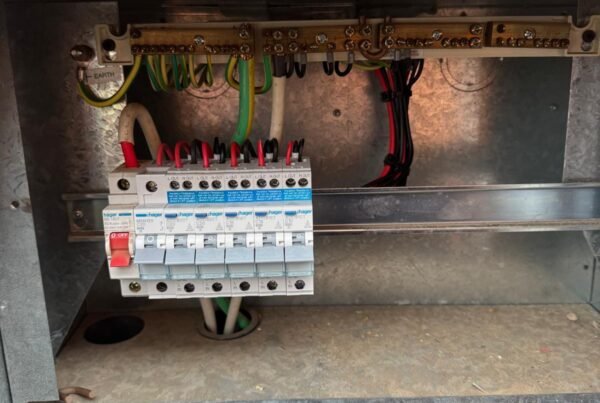
A switchboard should not smell burnt, produce crackling sounds or become excessively hot. Scorching, melted components and buzzing can indicate loose connections or overloaded equipment.
Do not remove the cover to investigate. Internal parts may be energised and dangerous even when individual breakers are switched off.
Exposed or Damaged Wiring
Call for urgent help when wiring has been exposed by building damage, pests, accidents or unfinished renovations. Keep everyone away and isolate the circuit only when it can be done safely.
Never cover exposed conductors with ordinary tape or push them back into a wall. Temporary repairs can hide the danger without making the installation safe.
Is a Complete Power Outage an Electrical Emergency?
First determine whether neighbouring properties and streetlights have also lost power. A widespread outage is normally handled by the electricity distributor rather than a private electrician.
Check the distributor’s outage information using a charged phone. When only your home is affected, inspect the switchboard externally without removing any covers.
A localised outage may result from:
- A tripped main switch or safety switch
- A failed circuit breaker
- Damage to the consumer mains
- A switchboard fault
- A distributor supply problem affecting only the property
- Faulty solar or battery equipment
Arrange urgent help when the board is damaged, will not reset or shows heat, smoke, noise or moisture.
Problems That Can Usually Wait Until Business Hours
An emergency attendance may not be necessary for a single failed light, a broken non-essential power point that can remain unused or a planned installation.
A standard appointment may also be suitable when:
- A ceiling fan has stopped but shows no heat or burning smell
- One appliance has failed and can be unplugged
- You want additional power points
- A light fitting needs replacement
- You are planning an electrical upgrade
- A non-essential circuit can remain safely switched off
When uncertain, explain the symptoms over the phone. A professional can help determine the appropriate response without promising that the issue is safe before it has been inspected.
What to Do While Waiting for Help
Your actions should reduce risk rather than attempt a repair.
- Keep children and pets away from the area.
- Stop using the affected outlet, appliance or circuit.
- Switch off power only when the switchboard is safely accessible.
- Do not touch electrical equipment while wet or standing in water.
- Do not open electrical covers.
- Use a torch rather than candles during a power failure.
- Leave the property when there is smoke, fire or an immediate danger.
- Tell the electrician about solar panels, batteries and generators.
Do not use extension leads as a permanent substitute for a failed circuit. Avoid connecting multiple power boards together or running leads through wet areas and doorways.
Why DIY Repairs Are Dangerous
Fixed electrical wiring cannot be safely diagnosed by appearance alone. A damaged connection may remain live, and turning off one breaker may not isolate every source of electricity.
Solar systems, batteries, generators and multiple supplies can introduce additional hazards. Electrical workers use testing equipment and formal isolation procedures before beginning repairs.
Australian states and territories require electrical wiring work to be completed by appropriately licensed workers. NSW, for example, requires an electrical licence or certificate regardless of the financial value of the work.
Information to Give the Electrician
A clear description can help the electrician prepare suitable equipment and assess urgency. Explain:
- What happened before the fault appeared
- Which rooms or circuits are affected
- Whether there is smoke, heat, water or a burning smell
- Whether the safety switch stays on
- Whether solar panels or a battery are installed
- Whether anyone received an electric shock
- Whether emergency services or the distributor have attended
Do not approach the fault simply to gather more information.
When to Call a Professional
Contact a 24 hour electrician immediately for dangerous faults, repeated tripping, exposed wiring, overheating equipment or water-affected circuits. For fire, smoke or a life-threatening situation, call Triple Zero before contacting an electrical contractor.
BTD Electrical & Data can assess urgent electrical faults, isolate unsafe equipment and explain what must be repaired before the power is restored. Emergency work should focus first on making the property safe, with non-essential improvements discussed separately.
Tell the electrician when anyone in the home relies on powered medical equipment. You may also need to contact the equipment provider, electricity retailer or emergency services depending on the situation.
Conclusion
An electrical issue becomes urgent when waiting could increase the risk of shock, fire or serious damage. Smoke, sparks, burning smells, shocks, exposed conductors and water around electrical equipment should never be ignored.
A 24 hour electrician can make the area safe and identify the cause without relying on guesswork. BTD Electrical & Data can provide professional assistance when your electrical system shows dangerous or unexpected behaviour outside normal business hours.
Frequently Asked Questions
Should I call an electrician or the electricity distributor?
Contact the distributor for fallen street powerlines, supply network faults and widespread outages. Contact an electrician for faults within your property, switchboard or household circuits.
Is repeated circuit breaker tripping an emergency?
It can be. Leave the circuit off and seek urgent advice when it trips immediately, supplies essential equipment or is accompanied by heat, noise, smoke or burning smells.
Can I use water on an electrical fire?
No. Leave the area, call Triple Zero and follow emergency service instructions. Water can conduct electricity and increase the danger.
What should I do after receiving an electric shock?
Seek urgent medical assistance, particularly when symptoms are present or the shock involved fixed wiring or high current. Do not touch the source again, and arrange for the electrical fault to be inspected before further use.