
What Are the EV Charger Home Installation Requirements in Australia?
EV charger home installation requirements in Australia involve a licensed electrician assessing your switchboard capacity, running a dedicated circuit, and ensuring compliance with AS/NZS 3000 wiring standards. The work must be completed by a registered electrician and a Certificate of Electrical Safety must be issued upon completion. Getting this right from the start protects your home, your vehicle, and your family.
Electric vehicles are becoming a common sight on Torquay streets, from the Great Ocean Road down to Surf Coast Highway. If you’ve recently purchased an EV — or you’re planning to — understanding what’s involved in a home charger installation will save you time, money, and frustration.
Why a Dedicated EV Charging Circuit Matters
Many homeowners assume they can simply plug their EV into a standard GPO (general power outlet). While a basic 10-amp plug-in charger technically works, it’s slow, inefficient, and can place excessive load on circuits not designed for prolonged high-draw appliances. A Level 2 home charger — the most practical choice for daily use — typically requires a dedicated 32-amp circuit.
Running a dedicated circuit means your EV charging won’t compete with your kitchen appliances, air conditioning, or hot water system. It also reduces the risk of nuisance tripping on your safety switches, which is a common complaint when homeowners try to shortcut the process.
Switchboard Capacity and Upgrades
One of the first things a qualified electrician will assess is your switchboard. Older Torquay homes — particularly those built before the 2000s — may still have ceramic fuses or undersized switchboards that simply can’t handle the additional load of an EV charger. In these cases, a switchboard upgrade is required before installation can proceed.
Modern switchboards must include residual current devices (RCDs) and circuit breakers to meet current Australian standards. If your home already has a compliant switchboard with available capacity, the installation process is considerably more straightforward. Either way, this assessment is a non-negotiable step in the process.
Understanding EV Charger Home Installation Requirements: Charger Types
There are two main types of home EV chargers you’ll encounter:
- Level 1 (10-amp portable charger): Uses a standard power point, charges slowly (typically 10–15 km of range per hour), and requires no dedicated installation. Suitable only as a temporary or emergency solution.
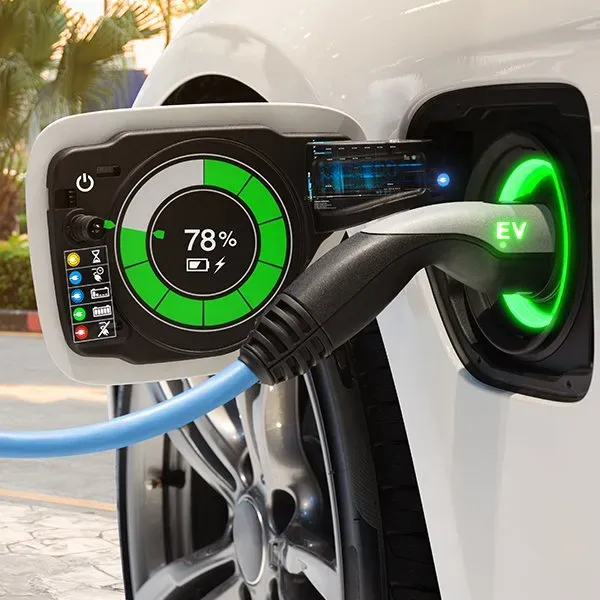
- Level 2 (hardwired or 15/32-amp wall charger): Installed by a licensed electrician, charges significantly faster (40–80 km of range per hour), and is the recommended solution for daily home charging.
Most EV owners on the Surf Coast opt for a Level 2 wall-mounted charger installed in their garage or carport. Brands like Tesla Wall Connector, Wallbox, Ocular, and Zappi are popular choices, and your electrician can advise on the best fit for your vehicle and home setup.
Location, Weatherproofing, and Cable Runs
Where your charger is installed matters just as much as which charger you choose. If you’re mounting it outdoors — on an external wall, under a carport, or in an open garage — the unit must carry an appropriate IP (Ingress Protection) rating to withstand moisture and dust. Torquay’s coastal environment means salt air and humidity are genuine considerations that affect both the charger unit and the cabling.
Cable runs from your switchboard to the charger location also factor into the overall cost and complexity of the job. Longer runs require larger cable sizes to compensate for voltage drop, and any cabling installed underground must comply with burial depth requirements under AS/NZS 3000. Your electrician will account for all of this in their assessment.
If you’re also considering solar panels or a home battery system, it’s worth discussing smart charger options that can integrate with your solar setup. You can learn more about EV charger installation services across the Geelong region to understand what a full-service installation looks like.
Permits, Compliance, and Certificate of Electrical Safety
In Victoria, all electrical work — including EV charger installation — must be performed by a licensed electrician and reported to Energy Safe Victoria. Once the work is complete, your electrician is legally required to issue a Certificate of Electrical Safety (CES). This document confirms the work meets the requirements of the Electricity Safety Act 1998 (Vic) and AS/NZS 3000.
Never accept an EV charger installation that doesn’t come with a CES. Beyond the legal obligation, this certificate is important for your home insurance and may be required if you sell your property. For more detail on Victoria’s electrical safety obligations, Energy Safe Victoria is the authoritative source.
It’s also worth scheduling a broader electrical safety check at the same time as your EV charger installation — it’s an efficient way to identify any other issues in your home’s wiring while the electrician is already on site.
When to Call a Professional
If you’re planning to install a Level 2 EV charger, upgrading your switchboard, or simply unsure whether your home’s electrical system can handle the additional load — this is the time to call a licensed electrician. Attempting to DIY any part of a hardwired EV charger installation is illegal in Australia and genuinely dangerous.
BTD Electrical & Data services Torquay and the wider Surf Coast, including the Surf Coast corridor and surrounding suburbs. The team can assess your home, recommend the right charger, and handle the full installation from switchboard to wall unit — all with the required certification. Call BTD Electrical & Data today to book your EV charger consultation.
Conclusion
Understanding the ev charger home installation requirements in Australia is the first step toward a safe, efficient, and compliant setup. From switchboard capacity and dedicated circuits to weatherproofing and certification, there’s more to it than plugging in a cable — but with the right electrician, the process is smooth and straightforward.
Whether you’re in Torquay, Jan Juc, or anywhere along the Surf Coast, getting your EV charger installed properly means years of reliable, safe charging at home. Don’t cut corners on compliance — reach out to a qualified local electrician and get the job done right the first time.
Frequently Asked Questions
Do I need council approval to install an EV charger at home in Victoria?
In most cases, you don’t need council planning approval for a standard home EV charger installation. However, you do need a licensed electrician to perform the work, and a Certificate of Electrical Safety must be issued and reported to Energy Safe Victoria upon completion. If your installation involves significant structural changes, it’s worth checking with your local council.
How long does a home EV charger installation typically take?
For a straightforward installation where the switchboard is already compliant and the cable run is relatively short, most home EV charger installations are completed within two to four hours. If a switchboard upgrade is required or the cable run is complex, the job may take a full day. Your electrician can give you a more accurate timeframe after the initial site assessment.
Can I install an EV charger if I have solar panels?
Yes — in fact, pairing a home EV charger with solar panels is an excellent way to reduce your charging costs. A smart charger can be programmed to charge your vehicle during peak solar production hours, maximising the use of your own generated power. Your electrician can advise on compatible smart charger models and how to integrate them with your existing solar inverter setup.
What’s the difference between a 15-amp and a 32-amp EV charger installation?
A 15-amp installation uses a heavy-duty power point and offers moderate charging speeds — suitable for overnight charging in most cases. A 32-amp hardwired installation delivers faster charging speeds and is the preferred option for larger battery vehicles or households where the car needs to be ready quickly. Your electrician will assess your vehicle’s onboard charger capacity and daily driving habits to recommend the most appropriate option. For more about what we do, visit our homepage.