
Electrical sockets and switches are essential for everyday life, powering everything from kitchen appliances to office equipment. In this 2026 Australian guide, we explore electrical socket and switch repair, including common problems, costs, safety tips, and professional solutions. With insights from BTD Electrical and Data, you can handle repairs safely and ensure your home or business remains functional and compliant.
Faulty sockets or switches can cause flickering, power loss, or even electrical hazards. Understanding the repair process helps you identify issues early and prevents costly damage or dangerous situations.
Why Prompt Repair is Important
Repairing sockets and switches promptly is essential for:
- Safety: Faulty connections can lead to shocks, short circuits, or fire hazards.
- Convenience: Ensures appliances and lighting function without interruption.
- Compliance: Repairs help maintain adherence to Australian electrical standards (AS/NZS 3000).
BTD Electrical and Data provide reliable repairs for both residential and commercial properties, ensuring your electrical components operate safely and efficiently.
Common Socket and Switch Problems
Several issues can indicate the need for repair:
- Loose or flickering sockets: Often caused by worn wiring or poor connections.
- Burn marks or discoloration: Sign of overheating or electrical faults.
- Switches not functioning: Could indicate broken internal components or faulty wiring.
- Sparks or unusual sounds: A serious hazard requiring immediate professional attention.
- Tripping breakers: May be caused by overloaded or damaged circuits.
Recognising these signs early allows for timely repair, reducing risk of further damage or accidents.
Tools and Equipment for Repairs
Professional electricians use the following tools for repairs:
- Voltage tester or multimeter
- Screwdrivers and pliers
- Wire strippers and cutters
- Electrical tape and connectors
- Replacement sockets and switches
- Insulated gloves and safety equipment
Using proper tools ensures repairs are conducted safely and effectively.
Step-by-Step Repair Process
Electrical socket and switch repair involves careful steps to maintain safety and compliance:
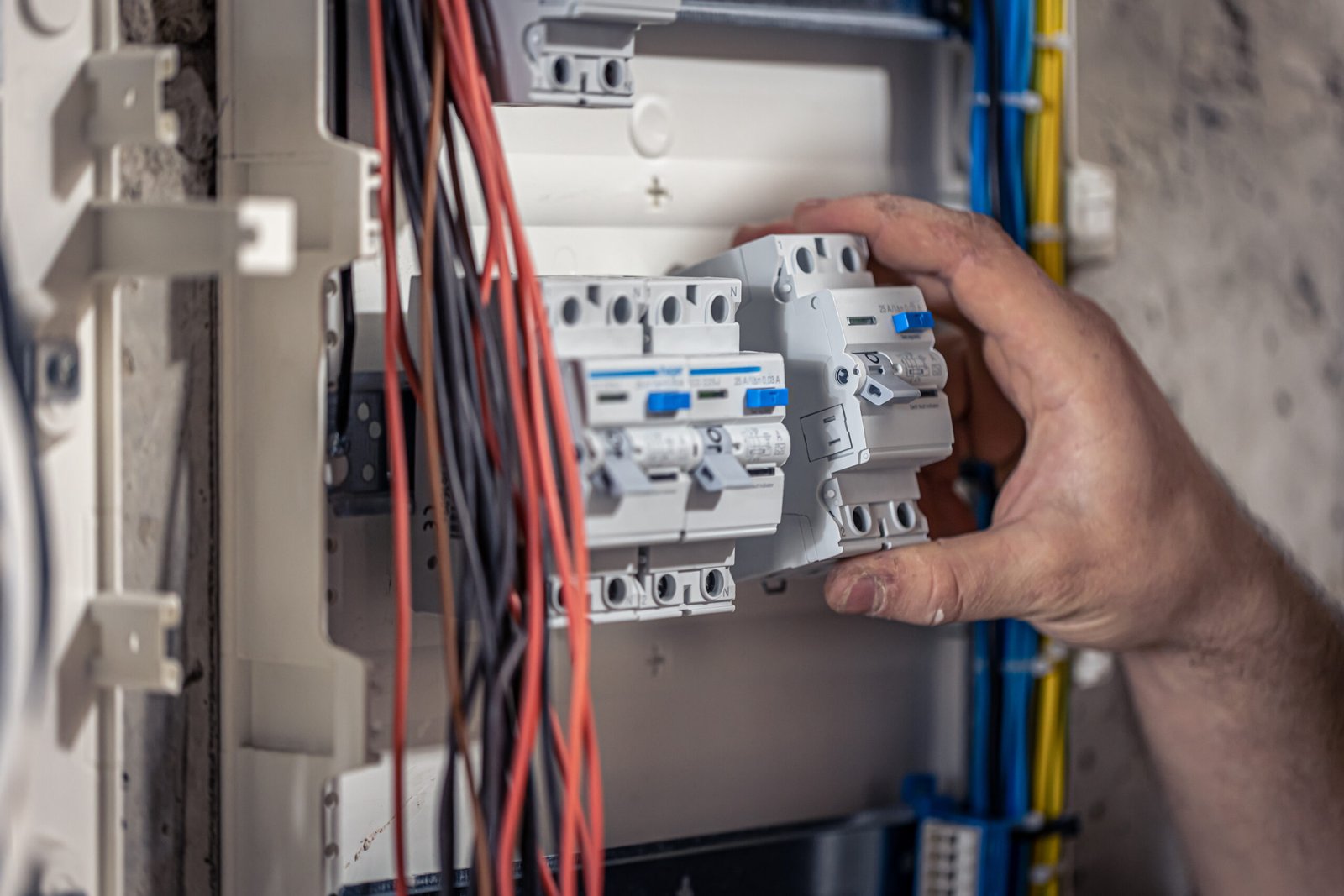
- Turn Off Power: Isolate the relevant circuit at the switchboard.
- Remove the Faulty Fixture: Detach the socket or switch carefully, noting wiring connections.
- Inspect Wiring: Look for damaged, corroded, or loose wires.
- Replace or Repair Components: Swap out faulty sockets, switches, or connectors as needed.
- Secure and Reassemble: Ensure components are tightly fixed and protected.
- Test Functionality: Restore power and confirm the repaired socket or switch operates correctly.
Following these steps correctly minimises risk and ensures long-lasting results.
Cost Considerations in Australia
Repair costs vary depending on complexity, location, and type of fixture:
- Standard socket repair: AUD 80–150
- Switch repair: AUD 70–120
- Outdoor or weatherproof fixture repair: AUD 120–250
- Complex rewiring or panel repair: AUD 250–500+
BTD Electrical and Data provide transparent quotes that include labour and materials, giving you peace of mind before work begins.
DIY vs Professional Repair
While minor issues like loose faceplates can be handled safely by competent DIYers, professional electricians are recommended for:
- Repairs involving mains wiring or circuit boards
- Outdoor or wet-area sockets and switches
- Signs of overheating, burning, or sparks
- Older properties with outdated or unsafe wiring
Professionals ensure repairs comply with AS/NZS 3000, protecting both people and property.
Preventing Future Electrical Issues
Regular maintenance helps prevent socket and switch problems:
- Inspect outlets and switches for wear, scorch marks, or loose connections.
- Avoid overloading circuits with multiple high-powered appliances.
- Use surge protectors for sensitive equipment.
- Schedule routine inspections by a licensed electrician.
Preventive measures reduce the need for emergency repairs and extend the life of your electrical components.
Modern Features and Upgrades
When repairing sockets and switches, consider upgrading for efficiency and convenience:
- USB-enabled sockets: Reduce reliance on adaptors and improve charging efficiency.
- Smart switches: Control lighting remotely or via scheduling.
- Weatherproof fixtures: Essential for outdoor installations to ensure durability and safety.
Upgrades during repair work maximise functionality while maintaining compliance with Australian standards.
When to Call a Professional
Call a licensed electrician immediately if you notice:
- Sparks, flickering, or burning smells
- Repeated tripping of breakers
- Faulty outdoor sockets or switches
- Complex multi-way switch setups
- Any signs of damage in older wiring
BTD Electrical and Data offer professional, reliable, and safe electrical socket and switch repairs across Australia, ensuring your property remains secure and functional.
Conclusion
Electrical socket and switch repair is crucial for safety, convenience, and compliance. By recognising common issues, understanding repair steps, and considering professional assistance, you can maintain a safe and functional electrical system. For trusted, compliant, and effective repairs, BTD Electrical and Data provide expert solutions across Australia. Ensure your home or business operates safely and efficiently with professional electrical repair services.
FAQ
Q1: Can I repair a socket or switch myself?
A1: Minor issues may be handled safely by competent DIYers, but mains wiring or signs of burning should be repaired by a licensed electrician.
Q2: How much does electrical socket and switch repair cost in Australia?
A2: Standard repairs range from AUD 70–150, while more complex or outdoor fixtures can cost up to AUD 500+.
Q3: Are there safety standards to follow?
A3: Yes, all repairs must comply with AS/NZS 3000 to ensure safety and prevent hazards.
Q4: How can I prevent future issues?
A4: Regular inspections, avoiding overloaded circuits, and upgrading to modern fixtures reduce the likelihood of faults.