
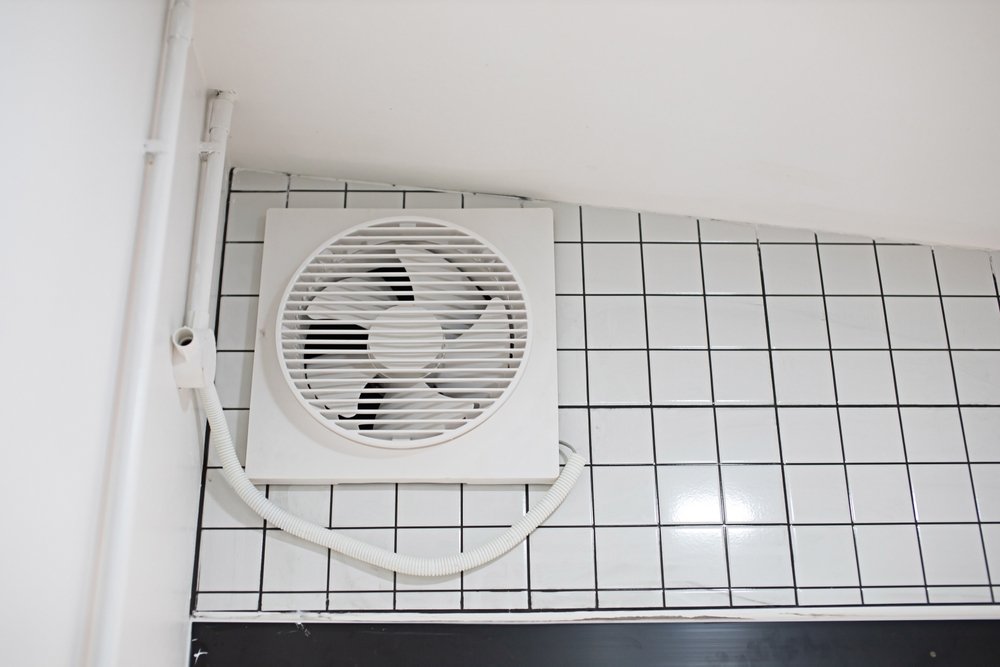
A bathroom exhaust fan is essential for maintaining good air quality and preventing mould, condensation, and structural damage. Many homeowners wonder if they can handle the job themselves or if they need a licensed professional. In 2026, the best approach is to hire an expert to install a bathroom exhaust fan, especially to meet Australian safety standards and ensure long-term performance. BTD Electrical and Data provides professional installation services across Australia, combining compliance, efficiency, and peace of mind.
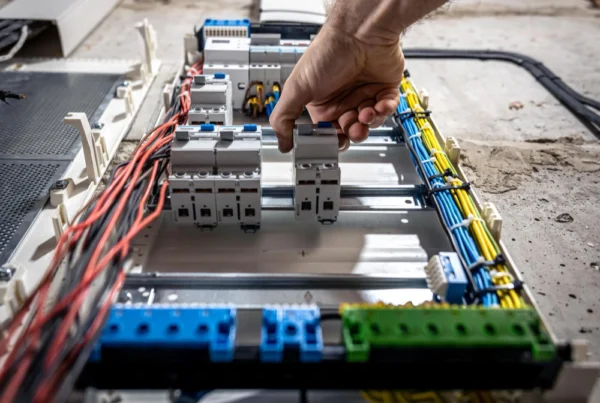
While installing a fan might seem straightforward, there are several technical aspects that make professional involvement important. Fans must be correctly wired into your home’s electrical system, mounted securely, and vented properly to the exterior. Incorrect installation can lead to electrical hazards, inefficient ventilation, and moisture problems. A licensed electrician ensures that all connections comply with Australian Standards (AS/NZS 3000), guaranteeing safe operation and warranty coverage for both the fan and your home’s electrical system.
Why Professional Installation Matters
- Electrical Safety: Bathroom fans require wiring to the mains, sometimes involving new circuits or switches. Faulty wiring can cause shocks or fires.
- Compliance with Australian Standards: Improperly installed fans may breach AS/NZS 3000 or local council regulations, affecting insurance and safety.
- Moisture Management: Proper venting prevents condensation buildup, mould, and structural damage.
- Optimal Performance: Professionals ensure the fan is positioned for maximum airflow and minimal noise.
BTD Electrical and Data routinely handles installations where homes require additional circuits, upgrades to switchboards, or integration with bathroom lighting. These complexities make DIY attempts risky and often more costly if mistakes occur.
Cost Considerations
The cost to install a bathroom exhaust fan varies depending on fan type, complexity, and your home’s existing electrical infrastructure. A standard installation covers labour, materials and minor electrical adjustments, and sits at the affordable end of the scale. If additional wiring, switchboard upgrades or structural modifications are needed, the cost climbs. BTD Electrical and Data provides transparent, upfront quotes before any work begins, ensuring no hidden fees.
Factors affecting installation cost include:
- Fan Type: Standard vs. high-capacity or integrated light/fan models.
- Wiring Requirements: Existing circuits may need extension or modification.
- Venting Needs: External wall, roof, or attic routing may require extra work.
- Labour Complexity: Ceiling access, insulation, or structural modifications.
A professional electrician can also advise on energy-efficient fans, helping reduce long-term electricity costs and ensuring your installation meets environmental standards.
Step-by-Step Professional Installation
When BTD Electrical and Data installs a bathroom exhaust fan, the process includes:
- Site Assessment: Checking your bathroom layout, electrical access, and venting path.
- Electrical Setup: Ensuring safe, code-compliant wiring and any required switch connections.
- Mounting the Fan: Securely fitting the fan into ceiling joists or pre-cut openings.
- Vent Installation: Routing ducting to the exterior, ensuring no leaks or airflow restrictions.
- Testing & Commissioning: Confirming electrical safety, airflow performance, and fan operation.
This method ensures the fan operates efficiently, meets safety requirements, and has a long service life. Attempting DIY installations without these steps can lead to inefficiency, water damage, and costly repairs.
Residential vs Commercial Installations
In residential settings, fans are typically smaller and easier to install but still require proper electrical connection and venting. Commercial bathrooms may need larger fans or multiple units, integration with building ventilation, and compliance with occupational health standards. BTD Electrical and Data handles both residential and commercial installations across Australia, providing tailored solutions for every setting.
Common Mistakes to Avoid
- Incorrect Wiring: Can cause short circuits or fire hazards.
- Poor Venting: Leads to trapped moisture, mould, and odours.
- Overestimating DIY Skills: Ceiling access, joist work, and insulation can be challenging.
- Ignoring Standards: Non-compliant installations may void insurance or warranties.
Hiring a professional mitigates these risks, ensuring safety, efficiency, and compliance.
When to Call a Professional
You should contact a licensed electrician like BTD Electrical and Data to install a bathroom exhaust fan if:
- You need a new circuit installed for your fan.
- Your existing fan wiring is outdated or unsafe.
- You are unsure about venting options or ducting requirements.
- You want the installation done quickly, safely, and compliant with Australian Standards.
Professional installation ensures long-term performance, reduces energy costs, and prevents moisture-related damage to your home.
Conclusion
Installing a bathroom exhaust fan is more than a simple DIY project. The cost to install a bathroom exhaust fan and the safety considerations make it wise to hire a licensed professional. BTD Electrical and Data provides expert services across Australia, ensuring safe, efficient, and compliant installations. Protect your home, improve air quality, and enjoy peace of mind by engaging a professional for your bathroom fan installation.
FAQ
Q1: Can I install a bathroom exhaust fan myself?
A1: DIY installation is possible, but it carries electrical and moisture risks. A licensed electrician ensures compliance and safety.
Q2: How much does it cost to install a bathroom exhaust fan?
A2: A standard installation is one of the more affordable electrical jobs, while complex installations cost noticeably more. Get in touch with BTD Electrical and Data for a firm price.
Q3: Do I need a new circuit for my fan?
A3: It depends on your current wiring. A professional assessment ensures safe connection to your electrical system.
Q4: What happens if the fan is installed incorrectly?
A4: Poor installation can cause mould, condensation, electrical hazards, and reduced performance. Professional installation avoids these issues.