
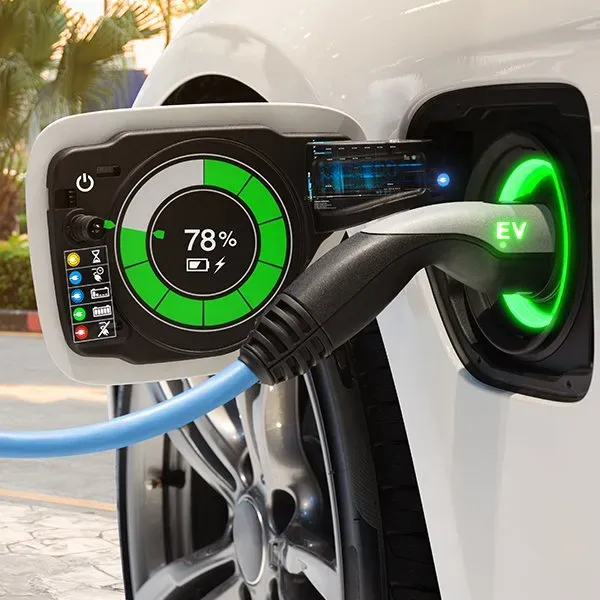
Installing an EV charger at home is becoming increasingly popular as more Australians switch to electric vehicles. The cost to install an EV charger at home varies widely depending on the type of charger, your home’s electrical setup, and the complexity of the installation. What you pay for a Level 2 charger installation comes down to the charger you choose and the state of your existing switchboard, with labour and materials included in the quote. BTD Electrical and Data provides professional installations across Australia, ensuring compliance with safety standards and optimal performance.
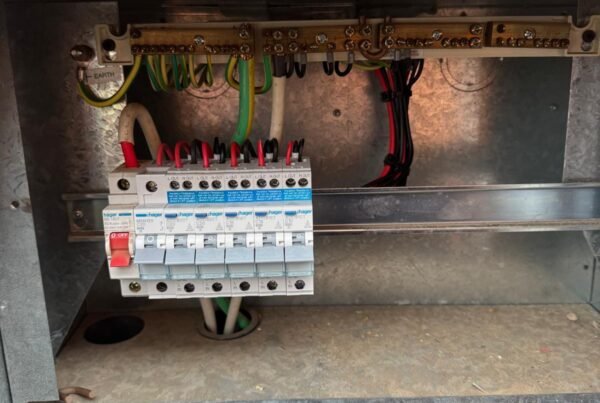
Several factors influence the total cost. Your existing switchboard’s capacity is a key consideration. Older switchboards may require upgrades to handle the additional load safely. The distance from the switchboard to the charger location, the type of mounting (wall or pedestal), and any trenching or cabling work also affect pricing. After-hours or weekend installations can further increase costs due to premium labour rates.
Key Factors Affecting EV Charger Installation Costs
- Charger Type: Standard Level 2 chargers are more affordable than high-speed chargers.
- Electrical Upgrades: Switchboard upgrades or additional circuit installations can add to the total cost.
- Labour and Location: Urban areas often have higher installation fees compared to regional towns.
- Permits and Compliance: Certain local councils require approvals, adding minor costs.
- Accessibility: Easy access to a garage or driveway reduces labour and material requirements.
BTD Electrical and Data frequently encounters homes requiring minor upgrades or longer cable runs, which can shift the cost toward the higher end of the typical range. Planning the installation location carefully can reduce unnecessary expenses.
Typical Cost Breakdown
- Charger Unit: the single biggest line item, and it moves with brand and output.
- Installation Labour: a smaller share of the total for a standard connection.
- Switchboard Upgrade (if needed): only applies if your existing board can’t handle the extra load.
- Additional Materials: mounting, cabling and conduits, usually the smallest part of the job.
A simple installation with an existing suitable switchboard is the cheapest scenario, whereas homes needing significant electrical work cost considerably more. BTD Electrical and Data provides a full quote before starting, so there are no hidden costs.
Benefits of Professional Installation
Hiring a licensed electrician ensures your EV charger installation complies with Australian Standards (AS/NZS 3000), safeguarding your home and vehicle. Professionals also optimise charger location for convenience and efficiency, and they handle any additional requirements like permits or safety checks.
When to Call a Professional
You should contact a qualified electrician like BTD Electrical and Data if:
- Your home switchboard needs an upgrade to support the charger.
- You plan to install a high-speed or high-output charger.
- There are complex wiring requirements or long cable runs.
- You want assurance that installation meets safety regulations.
Professional installation reduces the risk of electrical faults, ensures warranty compliance for your EV charger, and provides peace of mind.
Conclusion
The cost to install an EV charger at home in 2026 varies widely, depending on the equipment you choose, your home’s electrical infrastructure, and how complex the installation is. By planning ahead and consulting a licensed electrician like BTD Electrical and Data, you can ensure a safe, compliant, and efficient installation tailored to your needs.
FAQ
Q1: How much does a Level 2 EV charger cost to install at home?
A1: It depends on the charger you pick and whether your switchboard needs work. Labour and minor materials are included in the quote, so get in touch with BTD Electrical and Data for a firm price on your place.
Q2: Do I need a switchboard upgrade for my EV charger?
A2: It depends on your home’s electrical capacity. Older switchboards may need upgrades to safely support the charger.
Q3: Can I install an EV charger myself?
A3: DIY installations are not recommended. A licensed electrician ensures compliance with Australian Standards and safe operation.
Q4: Are there extra costs for permits or long cable runs?
A4: Yes, council approvals or extended wiring may add to the installation cost, and a professional can provide a precise quote.