
There’s something oddly cinematic about a power outage in Torquay. The hum of modern life fades. Screens go dark. The ocean suddenly sounds louder. But the calm doesn’t last long. When the lights flicker back, and Power Outage Restoration begins, that’s when things can quietly turn risky.
When the lights finally come back on, it isn’t always a smooth ride. Power surges, dodgy wiring, and systems hitting their limit can cause some real headaches. In a coastal spot like Torquay, where the salt air and the weather constantly eat away at the gear, being cautious isn’t just a good idea; it’s a must.
Outages across coastal Victoria are not unusual. Windstorms, salt-air corrosion, and ageing infrastructure play their part. Yet, the real story begins when power returns. That brief window during Power Outage Restoration is where safety matters most. Appliances surge, circuits strain, and unnoticed faults can turn into serious hazards.
This guide isn’t polished theory. It’s drawn from field realities, small observations, and those moments where things don’t go exactly as planned. Power Outage Restoration carries risks that sit in the details, not the headlines. Understanding those details can save money, prevent hazards, and make the next outage far less chaotic.
Why power systems behave oddly after outages
Power doesn’t return like a neat switch flipping back on. It ramps up in stages, sometimes unevenly across different lines. In Torquay, older infrastructure mixed with newer builds can create mismatched load demands. During Power Outage Restoration, one section might stabilise quickly while another struggles, causing inconsistent voltage across homes.
A common misunderstanding is that once the lights turn on, everything is “normal.” That’s rarely the case. Transformers take time to rebalance. Circuits re-engage under stress. Appliances that were off suddenly demand power all at once. This creates micro-surges that don’t always trip breakers but quietly strain internal components.
There’s also the issue of partial restoration. Some homes get power earlier than others. That uneven return can create backfeed risks in certain setups, especially where solar systems are involved. It’s not something most homeowners think about, but it’s a real-world complication during Power Outage Restoration that professionals deal with regularly.
Early moments after restoration carry hidden risks
The first five minutes after power returns tend to be the most chaotic. Lights flicker, routers reboot, and there’s usually a rush to get everything running again. That instinct causes more damage than the outage itself. Systems need a moment to settle, but most people don’t give them that.
In practice, what often happens is this: air conditioners, fridges, and ovens all kick in at once. That sudden load spike stresses circuits. In homes with slightly worn wiring or older switchboards, this can trigger faults that weren’t obvious before the outage. During Power Outage Restoration, these weak points surface quickly.
A small pause makes a difference. Letting power stabilise before reintroducing load isn’t just cautious, it’s practical. It reduces stress on the system and avoids compounding issues. It’s one of those simple habits that doesn’t feel urgent but saves money and hassle later.
Appliance damage and silent electrical strain risks
Appliances rarely fail dramatically. More often, they degrade quietly after an event like Power Outage Restoration. A fridge might keep running but lose efficiency. A television might develop internal damage that shows up weeks later. These are the kinds of issues that don’t get linked back to the outage but absolutely should.
Surge protectors help, but they’re not a complete solution. Many people assume a basic power board is enough. It isn’t. Lower-quality units don’t respond fast enough to sudden voltage spikes. During Power Outage Restoration, that delay can be enough to let damaging current through sensitive electronics.
There’s also a trade-off worth mentioning. High-end surge protection systems cost more upfront, and not every household wants to invest in them. But replacing multiple appliances after a surge usually costs more. It’s one of those decisions where short-term savings often lead to long-term expenses.
Role of power quality monitoring in homes
Most homeowners don’t think about electricity quality;y they just expect it to work. But in areas like Torquay, power quality monitoring has started to become more relevant. It tracks voltage stability, frequency changes, and irregular spikes that happen during Power Outage Restoration.
In real-world settings, these systems often reveal issues people didn’t know existed. Slight voltage drops during peak times. Minor surges after restoration. These aren’t dramatic enough to cause immediate failure, but contribute to wear over time. Monitoring gives visibility into those patterns.
There’s a cost consideration here as well. Installing power quality monitoring isn’t cheap, and it’s not essential for every home. But for properties with high-end appliances or home offices, it can prevent recurring problems. It shifts the approach from reactive to preventative, which tends to pay off over time.
Why only licensed contractors should handle faults
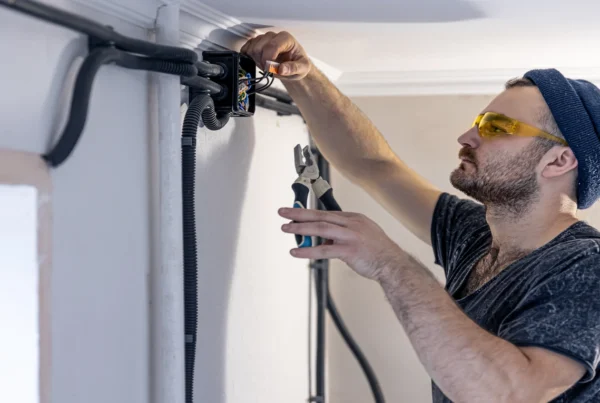
There’s always someone who tries to fix electrical issues themselves after an outage. It usually starts with something small, like resetting a breaker or checking a socket. But during Power Outage Restoration, problems can sit deeper in the system, out of sight and far more dangerous.
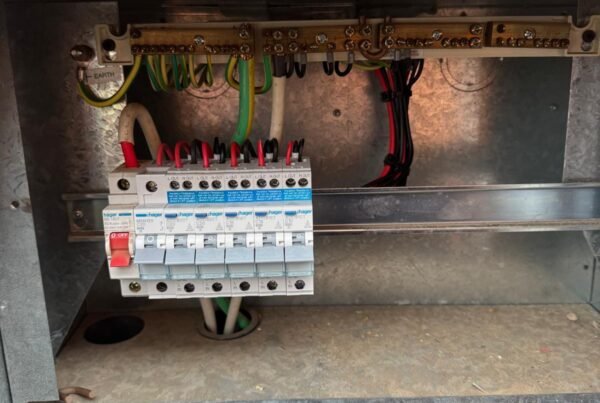
A licensed electrical contractor does a lot more than just fix the stuff you can see. They dive into the whole circuit, hunt for hidden damage, and make sure everything is actually up to code. Around the coast, they also know how to spot that specific environmental wear that a DIYer would completely miss.
Cutting corners with electricity usually just leads to a bigger bill later. A “quick fix” might get the TV back on, but it doesn’t touch the actual fault. Those problems only get worse with time. Hiring a pro electrical contractor might feel like a hassle, but it stops those same issues from popping up again and again.
When to Call a Licensed Electrical Contractor
Call a licensed electrical contractor if:
- The lights flicker continuously
- Circuit breakers trip repeatedly
- Power points feel warm or spark
- There’s a burning smell
- Appliances behave erratically
A licensed electrical contractor understands local regulations and coastal environmental factors. That expertise matters more than ever during Power Outage Restoration.
Emergency electrician services during critical failures
Not every issue can wait until morning. During Power Outage Restoration, faults sometimes escalate quickly, sparking outlets, tripping circuits, or causing complete system failure. That’s where emergency electrician services come into play.
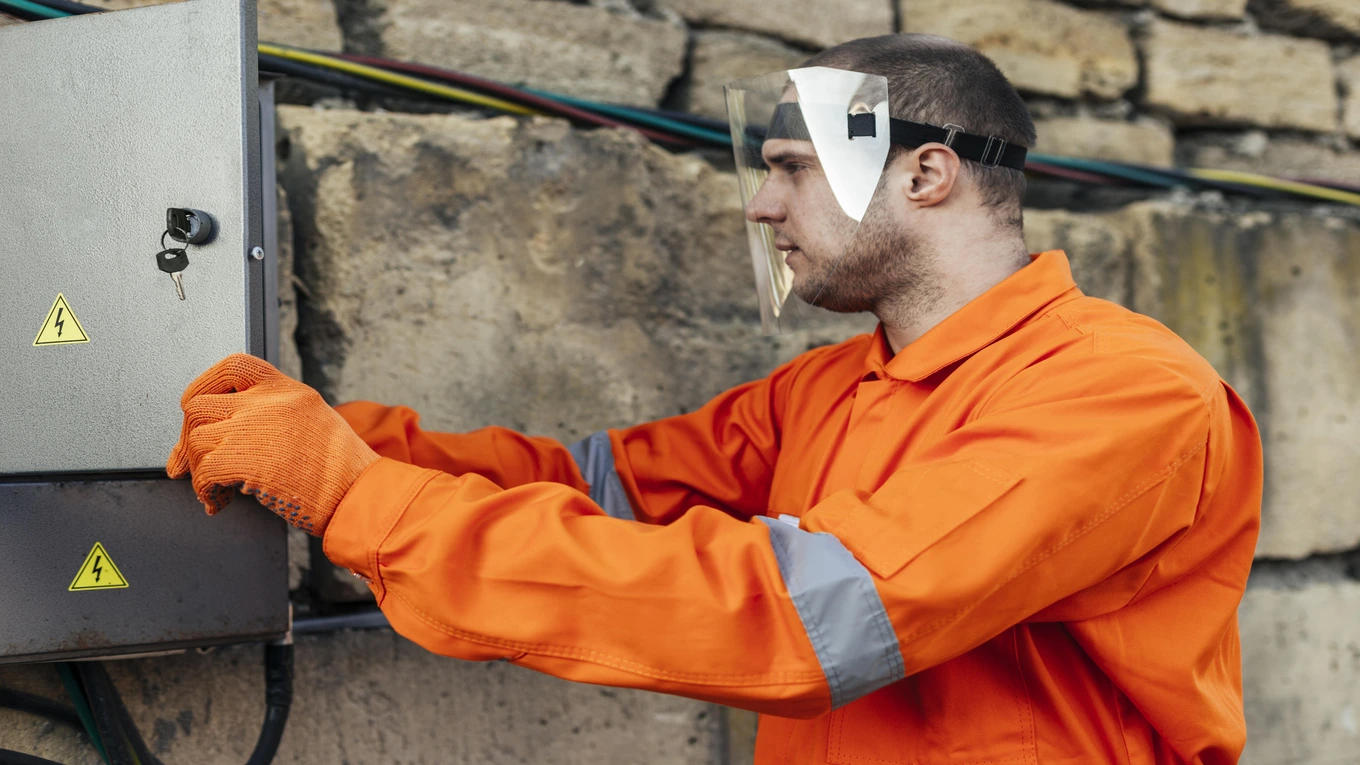
These services aren’t just about speed. They’re about handling unpredictable situations safely. In Torquay, storms often trigger outages, and restoration can expose water-damaged components. An emergency electrician knows how to manage those risks without making the situation worse.
Some homeowners hesitate because of cost. Emergency callouts aren’t cheap, and that’s understandable. But delaying repairs during Power Outage Restoration can turn a manageable issue into a serious hazard. It’s one of those situations where waiting doesn’t save money; it increases risk.
Handling Electrical Appliances the Smart Way
| Appliance Type | Risk Level During Restoration | Suggested Action |
| Refrigerators | Medium | Wait 10–15 mins before turning on |
| TVs & Computers | High | Use surge protectors |
| Air Conditioners | High | Delay restart to avoid overload |
| Basic Lighting | Low | Safe to switch on gradually |
Common mistakes made after outages in Torquay
One of the most frequent mistakes is turning everything back on immediately. It feels logical, but it overloads the system. During Power Outage Restoration, staggered restarts reduce strain and help identify faults early.
Another issue is ignoring small warning signs. Flickering lights, slight buzzing, or warm outlets often get dismissed. In reality, these are early indicators of deeper problems. Addressing them early avoids larger failures later.
There’s also a tendency to skip inspections. After power returns, everything appears fine, so no further action is taken. But in many cases, hidden damage exists. A quick check by a professional can catch issues before they escalate.
Maintenance services that prevent repeat failures
No one really thinks about general maintenance services until the power cuts out. But those regular check-ups are what actually keep you safe during Power Outage Restoration. Keeping your wiring and switchboard in top shape means fewer nasty surprises when the grid comes back online.
In practice, homes that receive consistent general maintenance services—including guidance on staying safe during a power outage experience fewer issues after outages. Components are less worn, connections are tighter, and systems handle load changes better. It’s not about eliminating risk; it’s about reducing it.
There’s always a cost discussion around maintenance. Some see it as unnecessary if everything is working. But electrical systems don’t usually fail without warning; they degrade slowly. Maintenance catches that process early, which is far cheaper than emergency repairs.
Balancing safety, cost, and long-term reliability
There’s no perfect approach to handling Power Outage Restoration. Every decision involves trade-offs. Investing in protection systems costs money upfront. Skipping them increases the risk of damage later. It’s a balance each household has to consider.
From experience, the biggest issues come from assuming the cheapest option is “good enough.” It often isn’t. Electrical systems are one area where cutting corners tends to backfire. The costs just show up later, usually at the worst possible time.
A steady, practical approach works best. Basic precautions, occasional professional input, and awareness of how systems behave go a long way. Power Outage Restoration doesn’t need to be stressful, but it does require attention.
Conclusion
Outages are a pain, but being prepared means you’re not just sitting in the dark. Sticking to safe habits and keeping your systems maintained makes the whole Power Outage Restoration process a lot smoother and way less risky when things eventually go south.
Electrical safety is about readiness, not just reaction. Timely inspections and expert support can prevent major hazards. Contact us today to get professional assistance, ensure system reliability, and keep your home or business safe during any outage.
Frequently Asked Questions
What should happen immediately after power returns?
Appliances should remain off for a few minutes. Gradual restart prevents overload and protects electrical systems. Observing for flickering lights or unusual sounds ensures safety during Power Outage Restoration.
Why is power quality monitoring important?
Keeping an eye on power quality lets you spot those voltage spikes before they fry your appliances. It keeps the whole system stable and lowers the risk of something blowing when the power kicks back in, especially in a coastal environment like Torquay.
When should a licensed electrical contractor be contacted?
You need to call a licensed electrical contractor the second you notice circuits tripping, weird burning smells, or outlets that just don’t work right after your Power Outage Restoration.
Are emergency electrician services necessary for minor issues?
Emergency electrician services are essential even for small issues if safety is uncertain. Quick intervention prevents larger problems during Power Outage Restoration.
How do general maintenance services help?
General maintenance services identify hidden faults and ensure systems are prepared for outages. Regular inspections reduce risks and improve safety during Power Outage Restoration.