
Choosing an EV charger for your home involves more than simply picking the fastest option available. Factors such as your vehicle’s charging capacity, daily driving habits, electrical supply and available parking space can all affect which charger is most suitable.
For Torquay homeowners, EV chargers can make regular electric vehicle charging more convenient and predictable. Before choosing one, it is worth considering charging speed, installation requirements, safety features and whether the system will suit your home’s current and future energy needs.
Why EV Chargers Matter for Home Charging
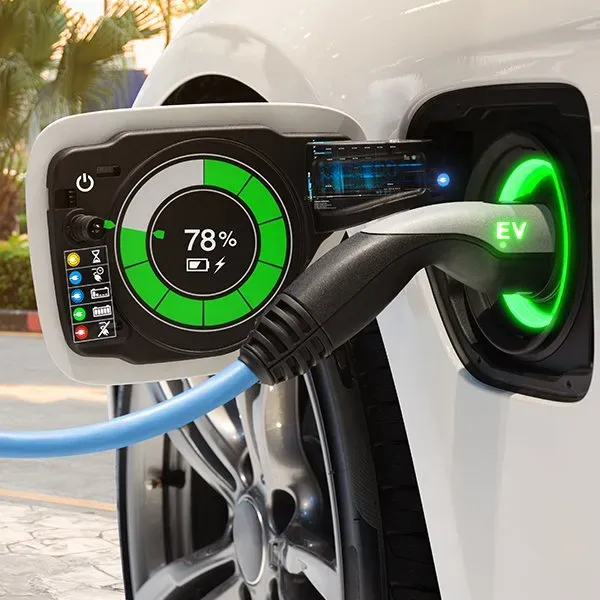
Home charging is convenient because the vehicle can be connected while it is parked overnight. Australian Government guidance says around 80% of reported EV charging in Australia takes place at home. A standard power point can suit some drivers, while a dedicated charger can provide faster and more controlled charging, making EV chargers a practical option for regular overnight use.
Understanding how much charging you actually need is more useful than simply choosing the biggest charger available. A driver who travels a modest distance each day and parks overnight may have very different requirements from someone who regularly drives long distances.
Understanding Charging Levels
Before comparing EV chargers, understand the three broad charging levels. Level 1 uses a standard 240-volt AC power point and is the slowest option. Energy.gov.au states that Level 1 charging has a maximum output of about 2.4 kW.
Level 2 uses dedicated home EV chargers, generally providing 7 to 22 kW. For many households, EV chargers at this level offer a useful balance between speed and practicality. The actual rate depends on the vehicle and its onboard charging capability.
Level 3 is DC fast charging, normally used at public EV charging stations. Fast EV chargers can be useful for long-distance travel, but public-style DC equipment is generally unnecessary for a typical home.
A Practical Charging Comparison
|
Charging level |
Typical power | Common location | Best suited to | Key point |
| Level 1 | Up to 2.4 kW | Home power point | Light daily driving |
Lowest installation complexity |
|
Level 2 |
7–22 kW | Home or destination | Regular home charging | Dedicated circuit normally required |
| Level 3 | 25–350 kW | Public charging station | Long trips and rapid top-ups |
Usually impractical for homes |
These are broad categories, not guaranteed charging speeds. The vehicle’s maximum charging rate, battery temperature and state of charge can affect the result.
Match the Charger to Your Vehicle
One of the most important considerations when choosing EV chargers is compatibility with the car. Electric vehicles have different battery capacities, connector arrangements and maximum AC charging rates.
If an EV can accept only 7 kW AC, purchasing a 22 kW charger will not make that vehicle charge at 22 kW. The car remains the limiting factor. Always check the owner’s manual or manufacturer’s specifications before buying equipment.
Connector type matters too. Type 2 is widely used for AC charging in Australia, while CCS2 is the standard connector for many DC fast-charging applications. CHAdeMO is still found on some older EVs.
Consider Your Daily Driving
Your normal driving pattern may be more important than the charger’s maximum rating. If the vehicle is parked at home for eight or ten hours most nights, there is a substantial charging window.
Ask yourself:
- How far do I normally drive each day?
- How long is the vehicle parked at home?
- Do I have overnight charging access?
- Do I have rooftop solar?
- Could I own a second EV later?
A person driving around town each day may not need the same charging capacity as someone commuting long distances. Buying based on real use can prevent paying for capacity that rarely provides a practical benefit.
Check Your Home’s Electrical Capacity
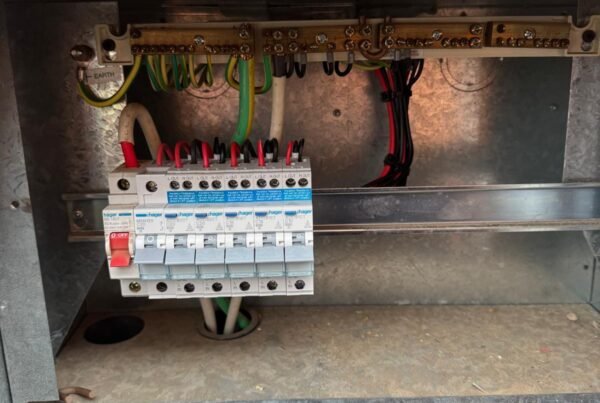
Electrical capacity should be assessed before selecting high-powered EV chargers. Charging adds a sustained electrical load, so the existing switchboard, supply, circuits and cabling need to be considered.
Victoria’s government guidance explains that Level 2 charging requires dedicated circuitry and may require changes to the home’s electrical system. Older properties can need additional work if the switchboard or supply cannot comfortably support the proposed load.
This is especially relevant when other major appliances operate at the same time. Air conditioning, electric hot water, induction cooking and other high-load equipment can affect available capacity.
A larger charger is not automatically a better charger, and the best EV chargers are those matched to the property. The sensible choice is equipment that can operate safely within the property’s electrical capacity while meeting the vehicle’s needs.
Look at Smart Charging Features
Modern EV chargers can include scheduling, load management, energy monitoring and solar integration. These functions can make home EV charging easier to manage.
Smart charging may allow a vehicle to charge during selected periods, such as when electricity prices are lower. If you have solar, compatible equipment may also help coordinate charging with solar generation, depending on your energy system.
Load management can be useful in homes with limited capacity. Some systems adjust charging when other large appliances are running, helping the household manage its available electrical load.
Think Carefully About the Installation Location
When positioning EV chargers, the best location is usually close to the normal parking position, with enough cable length to reach the vehicle without creating a trip hazard. Garage installations need practical wall space and sensible cable storage.
Outdoor installations require extra attention. Equipment should be suitable for the location and installed according to manufacturer instructions.
In Torquay, where coastal air, humidity and weather exposure are everyday considerations, protecting electrical equipment from unnecessary moisture and physical damage is sensible.
The installation should also allow convenient access without putting the charger where it can easily be struck by a vehicle or exposed to standing water.
Priorities EV Charger Safety
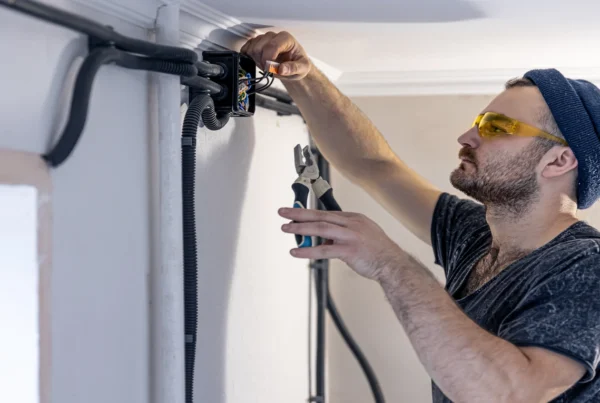
EV charger safety should never be traded for faster charging. Energy Safe Victoria advises that electrical work is not a DIY job and recommends using a licensed electrician for electrical installation work.
A dedicated charger should be installed in accordance with applicable Victorian requirements and relevant electrical standards. The electrician can assess circuit protection, cable sizing, earthing, switchboard condition and other site-specific factors.
It is also sensible to check that equipment is compliant with Australian requirements. Energy Safe Victoria provides useful guidance on using electricity safely, including advice about electrical equipment and appliances.
Think About Solar and Electricity Plans
If your home has rooftop solar, daytime charging can sometimes make better use of electricity generated on-site. The actual benefit depends on solar production, household consumption, battery storage and the charging system. Choosing suitable EV chargers can also help you make better use of your available solar generation.
Electricity tariffs can also influence charging costs. Some plans have different rates at different times of day. A charger with scheduling functions may help you choose when charging occurs rather than automatically charging at the most expensive time.
Do not focus only on the purchase price. Installation, electrical upgrades, cable routing, energy costs and future household requirements all contribute to overall value.
How Much Charging Speed Do You Need?
Charging speed is often the headline specification, but parking time matters just as much. A vehicle parked overnight has several hours in which to replenish its battery.
Battery size also affects charging time. A larger battery can require more energy than a smaller one, while the vehicle’s onboard charger determines how much AC power it can accept. Battery temperature and state of charge can also change charging performance.
The Australian Government explains that charging speed depends on the charger’s power rating, the vehicle’s maximum charge rate, battery state and temperature. A charger’s advertised maximum is therefore not necessarily the speed your car will receive.
Before You Arrange EV Charger Installation
Before arranging EV charger installation, gather the vehicle’s charging specifications and decide where the car normally parks. You can then compare EV chargers against your actual requirements.
It is also helpful to know whether the property has single-phase or three-phase supply. A licensed electrician can assess the switchboard, available capacity, circuit requirements and cable route.
Conclusion:
The best EV chargers are not automatically the fastest or most expensive. The right option is the one that matches your vehicle, driving routine, electrical capacity, parking location and future plans.
Start by checking the vehicle’s charging capability. Then consider how much energy you normally need, how long the car sits at home, whether solar or time-of-use electricity could help, and what installation work may be required.
If you are planning EV charging at home in Torquay, contact BTD Electrical & Data to discuss your EV charger requirements with a licensed electrician. A professional assessment can help you choose compatible equipment, identify electrical requirements and create a safer, practical charging arrangement for everyday use.
Frequently Asked Questions
Are EV chargers worth installing at home?
For homeowners with reliable off-street parking, a dedicated charger can make everyday charging more convenient and faster than relying on a standard outlet. Its value depends on driving habits, vehicle requirements and the home’s electrical capacity.
Can I install an EV charger on a single-phase supply?
Yes. Many Victorian homes use single-phase electricity, and suitable Level 2 equipment can work effectively on it. The available charging rate depends on the charger, vehicle and property’s electrical capacity.
Can EV chargers work with solar power?
Yes, some chargers support solar-aware or smart charging. The result depends on the solar system, household consumption, battery storage and charger configuration. An electrical assessment can help determine the appropriate setup.
How long does home EV charging take?
There is no universal charging time. A standard outlet is slower, while dedicated Level 2 equipment can provide substantially more power. Battery size, charge level, vehicle limits and temperature also affect charging time.
Is it safe to install an EV charger outdoors?
Outdoor charging can be safe when the equipment is designed for the location and correctly installed. The installation should account for weather exposure, cable routing, protection and the manufacturer’s requirements.