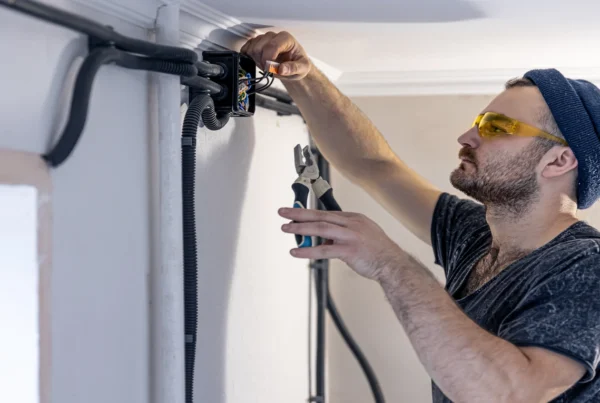


Building a new home in Torquay feels a bit like designing your own life playlist. Every room has a mood. Every corner needs the right vibe. And behind all of it? Residential Electrical Services is doing the quiet, heavy lifting. I’ve seen this firsthand while working with locals like BTD Electrical & Data, a trusted name around Torquay when it comes to wiring new homes the right way — clean, safe, and future-ready.
Think of your home’s electrical system as its nervous system. If it’s planned well, everything just works. If it’s rushed or cut short? You’ll feel it every single day — flickering lights, not enough power points, or that one socket that never cooperates. Whether you’re building your forever home or your first big investment, getting professional residential electrical services sorted early can save you stress, money, and a whole lot of swearing later.
What Are Residential Electrical Services?
In simple terms, residential electrical services (aka home electrician services) cover every electrical task in a home. From installing switchboards and wiring new sockets to fitting lights, ceiling fans, and safety switches, it’s all under this umbrella. A licensed electrician handles power points, circuit breakers, smoke alarms – even data cabling for internet and home automation. They make sure each outlet works as it should and that everything meets strict Australian safety codes.
For example, residential electrical services typically include:
- Switchboard Upgrades: The “brain” of your home’s power system. Electricians install or upgrade the switchboard so each circuit has enough capacity and protection.
- Circuit Planning: New homes need carefully planned circuits (e.g. separate ones for the kitchen or laundry) to avoid overloads. A pro will map this out to handle your appliances.
- Lighting & Outlets: Deciding where to put light fittings, ceiling fans, dimmers, and power points (wall sockets) requires foresight. Too few plugs now means extension cords forever!
- Safety Gear: Every modern Aussie home needs safety switches (RCDs) on circuits and smoke alarms. Electricians install and test these vital devices.
- Data & Automation: Today’s builds often include structured cabling for internet, smart lighting and sensors. Residential electricians handle that integration too.
Residential electrical contractors are local professionals trained for new builds, renovations or maintenance. They ensure your home is wired efficiently and safely, according to the latest Australian standards.
Designing Your Electrical Blueprint
Before the first nail goes in, planning is everything. I like to sketch out where my fridge, oven and gaming station will go before an electrician ever touches a wire. Start by listing all your big appliances (refrigerator, oven, heater, aircon, EV charger, etc.) and their power ratings. Add up these wattages to estimate your peak load. This way, you won’t trip a breaker every time you brew coffee and tumble-dry at the same time.
Think room-by-room:
- Kitchen & Dining: Power-hungry zone! Plan separate circuits for oven, microwave, dishwasher and benchtop appliances. Under-cabinet lights? That’s another circuit. Outlets should go above the benches and near the dining area for appliances and laptops.
- Living Room & Bedrooms: These focus on comfort. Put at least one outlet on each wall – trust me, you’ll want lamps, TVs and chargers all over. Consider outlets for wall-mounted TVs and USB points by the bed.
- Bathrooms & Laundry: Wet areas need extra care. All outlets here must have safety switches (RCDs) and splash-proof covers to prevent shocks. Plan one circuit for the washing machine and another for the dryer/iron.
- Outdoor Areas: Weatherproof outlets and lighting for patios, BBQs and workshops. Install surge protectors on exterior circuits to guard against lightning strikes.
A good electrical plan also considers future tech. With Victoria moving toward all-electric new homes by 2027, think about avoiding gas lines altogether. Maybe you’ll want roof solar panels, a battery system or an EV charging point. A licensed electrician who offers comprehensive residential electrical services can help reserve capacity now, saving messy upgrades later.
Hiring a Licensed Electrical Contractor
In Australia, all residential electrical services on a new build must legally be done by a licensed electrician. It’s not just advice – it’s the law. Licensed pros have the training, insurance, and know-how to meet the National Construction Code and AS/NZS 3000 wiring rules. They provide a compliance certificate at the end, proving your work was inspected and safe.
Here are some tasks that require a licensed electrician:
- Power Points & Outlets: Installing or moving any outlet needs a pro.
- New Wiring: Running new cable or rewiring old circuits in your walls must be done by an electrician.
- Lighting Circuits: Adding light fixtures or ceiling fans is on the licensed list.
- Heavy Appliances: Hardwiring stoves, ovens, hot water units, or EV chargers is not DIY.
- Switchboards & Breakers: Any work on the switchboard (like adding circuits or upgrades) must be done by a qualified contractor.
Permitted DIY jobs are pretty trivial (change a light bulb, reset a breaker), but anything involving live wiring is off-limits. Try your own repair, and you risk fines, voiding insurance, or worse – a serious fire hazard. In Victoria, all residential electrical work must be completed by a licensed electrical contractor and comply with strict safety standards set by Energy Safe Victoria.
For peace of mind, always verify your electrician’s credentials. Ask for their electrical contractor licence number and look it up on the Energy Safe Victoria website. A good electrician will also have public liability insurance and be happy to show you proof. For instance, Torquay locals often call the team at BTD Electrical & Data – their certified electricians list everything from switchboard upgrades to RCD testing and offer 24/7 emergency backup. When in doubt, treat every electrical job like it’s dangerous – because it is – and go with a pro.
Essentials for New Home Builds
When wiring a new home, these are the big-ticket residential electrical services your builder will rely on:
- Switchboard & Circuit Breakers: This is installed first. Your electrician will set up the main panel with all the circuit breakers and safety switches (RCDs) to protect each zone.
- Wiring & Cabling: Pulling cables through walls, floors and ceilings. This includes mains power wires for lights/outlets and dedicated runs for major appliances.
- Outlets and Lights Installation: Fitting all the wall sockets and light fixtures in every room exactly where you planned them.
- Safety Switches (RCDs) & Alarms: Modern homes require RCDs on many circuits (especially in kitchens, bathrooms and outdoors). They quickly cut power if a fault is detected. Smoke alarms (interconnected in newer builds) also get professionally installed.
- Testing & Certification: After installation, your electrician will test everything – from outlets to safety switches – and issue a Certificate of Compliance or Inspection. This official certificate proves the work complies with regulations.
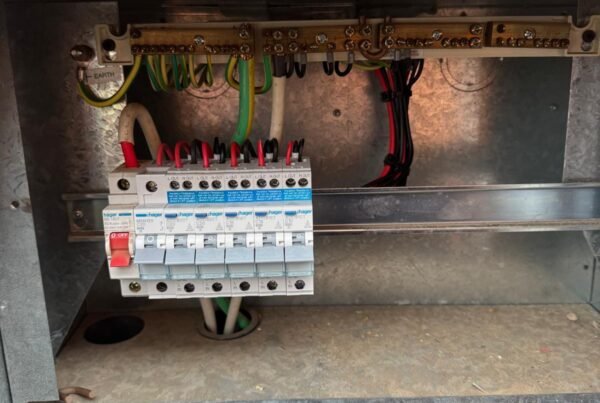
Imagine your switchboard like a high-tech fuse box. It’s full of breakers, RCDs and labelled circuits. A professional ensures it’s built to code so each room gets safe, reliable power. In fact, Level Electrical (an Australian electricians’ network) emphasises that switchboard upgrades and safety switches are core parts of residential services. For example, the kitchen and bathroom circuits get dedicated RCDs so any leak or overload trips the power immediately, protecting your family.
Electricians also take care of low-voltage stuff: running your Wi-Fi cables, audio wiring or security system. They coordinate with builders and other trades so nothing interferes (no one wants cables pinched by a drill or cut by a plumber!). The result is a home where “plug and play” really means you can plug something in and it just works.
Safety and Compliance
Australia has strict safety rules for good reason – electricity can be deadly if handled incorrectly. Here are some must-haves for any new build:
- Residual Current Devices (RCDs): By law, all final sub-circuits in new homes must have RCD safety switches (typically 30mA). They shut off power instantly on a fault, preventing shocks.
- Smoke Alarms: Install interlinked smoke alarms in every bedroom, hallway and living area. They must be hard-wired or battery-backed, meeting Australian standards.
- Proper Earthing/Bonding: Every metal fitting (like water pipes or pool pumps) must be correctly earthed to avoid stray currents.
- Labelled Switchboard: The main panel should have each breaker clearly marked (e.g. “Kitchen”, “Master Bedroom”) to help in an emergency.
- Certificates: Ultimately, you’ll need a Final Inspection or Certificate of Electrical Safety. In NSW, it’s called a Certificate of Compliance for Electrical Work; in Victoria, it’s similar. This paperwork, provided by your electrician, confirms that everything was tested to AS/NZS 3000 standards.
Victorian law is moving towards an all-electric future. From Jan 2027, all new homes in Victoria must be built all-electric, with no new gas connections (including kitchens). That means your electrician will focus on more circuits instead of gas lines, and you might be installing bigger switchboards now.
Keep that compliance certificate safe – it’s proof that your house passed inspection. Without it, insurance claims on electrical faults can be rejected. In fact, selling a home with unsigned DIY work often triggers mandatory rewiring by a licensed electrician. So make sure your electrician checks all the boxes during construction.
Smart Tech & Future-Proofing
Today’s residential electrical services go beyond outlets and switches. Think smart bulbs, home automation and renewable energy. While mapping your wiring, ask: Will I want smart lighting, Wi-Fi thermostats or solar panels later? Installing conduit and extra circuits now can save a ton of hassle (and money) down the road.
LED lighting and dimmer switches are both energy-saving and chic. Motion sensors on hallway lights or timers on outdoor circuits add convenience and security. Many families in Torquay opt for a home network with structured cabling so their NBN setup is faster and tidier.
Electric vehicles and solar are also big trends. If you plan an EV, ask your electrician to reserve a 240V circuit in the garage. If adding solar panels, have them run the cabling from the roof space to the switchboard during construction. Some licensed professionals (like local BTD) will even install and integrate these systems as part of their services. Future-focused electrical planning means your home can evolve with your lifestyle – and you won’t be tearing up walls later.
Emergency Preparedness
Even a brand-new house can face surprises. A sudden outage, a tripped RCD or a sparking outlet can happen at any time. That’s where emergency electrician services come in. Many firms offer 24/7 callouts so a pro is on standby for urgent problems.
If the power goes down at 2 am, a quick call can mean same-day help. It’s like having a dedicated power paramedic. Local outfits (including BTD Electrical & Data) pride themselves on fast responses for exactly these situations. They’ll check safety and fix the fault, so you can get back to Netflix (or better yet, sleep). In short, don’t panic – emergency electricians exist for that exact reason.
Choosing the Right Electrician in Torquay
Finding the perfect sparkie is part science, part art. Here are some tips:
- Check Credentials: Always hire a licensed electrical contractor. Verify their license number (Aussie license) and insurance.
- Read Reviews: Local feedback is gold. Look at Google or social media reviews from Torquay customers. Happy homeowners often mention punctuality and clean work (no one wants polka-dot paint from a wire job).
- Compare Quotes: Obtain written estimates from a few contractors. A reliable electrician will explain the costs of materials, labor and any long-lead items (like special switchboards). Beware of suspiciously low quotes.
- Communication: A great electrician listens to you, answers your questions in plain English, and keeps you in the loop. You should feel comfortable asking where each outlet goes or why they chose a particular cable.
- Warranty: Professionals usually guarantee their work. Ask about warranties on parts and labour.
For Torquay locals, supporting local businesses is smart. Besides BTD Electrical & Data, check Master Electricians Australia or Energy Safe Victoria’s directories. Ultimately, choose someone who treats your house like their own project – with care, knowledge, and (yes) a friendly personality. If they offer a full suite of residential electrical services, from planning to testing, that’s even better.
Conclusion
Building a new home in Torquay is exciting – but don’t let the electrical plan take a back seat. Professional residential electrical services are the unsung heroes behind every light switch and power point. By working with a licensed electrician, you’ll get safe, efficient wiring that meets all regulations and future-proofs your home. Think of it this way: the right electrical services are like an insurance policy for your comfort and safety.
So go ahead, dream big about your new build – then call the experts to make those dreams switch on smoothly. Ready to power your project? Reach out to a licensed electrical professional (Torquay’s own BTD Electrical & Data is one option) and light up your new home with confidence.
Frequently Asked Questions
What do residential electrical services include?
These services cover all your home’s wiring and power needs. That means installing or upgrading switchboards, running circuits, placing power points (outlets), wiring lights and fans, installing safety switches (RCDs) and smoke alarms, plus data/network cabling.
Why hire a licensed electrical contractor for a new home?
Because by law, any wiring or circuit work must be done by a licensed electrician. Licensed pros have the training to meet AS/NZS standards, they carry insurance, and they issue a compliance certificate when the job is done, protecting your home and insurance.
When should I call an emergency electrician?
For urgent issues like persistent power trips, exposed wires, sparks or total blackout, emergency electrician services are available 24/7. They’ll quickly come out and fix dangerous faults anytime you need.
How many outlets and circuits should I plan?
As a rule of thumb, plan at least one outlet per wall in living areas and two or more circuits in the kitchen. Bedrooms need outlets for lamps and chargers on each side of the bed. Your electrician will advise on circuits for heavy loads (like ovens) to prevent overloads.
What safety features must new homes have?
New homes require RCD safety switches on almost all circuits, hard-wired or battery-backed smoke alarms in bedrooms/hallways, and properly earthed metal work. These devices prevent shocks and fires. Also, ensure your electrician provides the final compliance certificate.