
An electrical switchboard can look perfectly normal and still have a problem developing inside it. A loose connection, an overloaded circuit or a worn component may produce excess heat long before anyone notices a change in performance. Thermographic Inspections help electricians spot these temperature changes and decide whether something needs closer attention.
For homes and businesses around Torquay, this can be useful when electrical equipment works hard every day. Instead of waiting for a breakdown, an electrician can use thermal imaging to look for warning signs while the equipment is operating.
What Are Thermographic Inspections and How Do They Work?
A thermal imaging camera detects infrared energy emitted by surfaces and converts the readings into an image showing temperature variations. Warmer and cooler areas appear differently, allowing an electrician to see patterns that an ordinary photograph would miss.
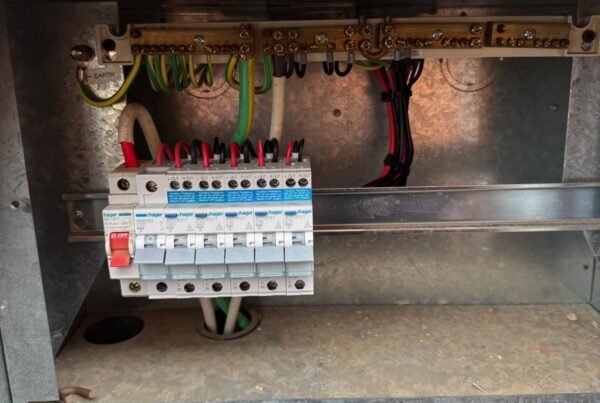
Think of a switchboard with several similar connections. Most may show comparable temperatures, but one terminal could appear noticeably warmer than the others. That difference gives the electrician a reason to investigate rather than assume everything is working as it should.
Thermographic Inspections are particularly useful for examining accessible electrical panels, distribution boards, motors and other equipment that carries a load. The camera does not need to touch the component being assessed, which can make the technique useful for identifying potential problems without dismantling equipment simply to look for visible damage.
There is a limit, though. A thermal image shows temperature at a surface, not the condition of every wire or component hidden behind it. An unusual reading is a clue, not a confirmed diagnosis.
Which Electrical Problems Can Thermal Imaging Pick Up?
Electrical faults do not all behave in the same way. Some cause equipment to become unusually hot, while others may produce no clear temperature change at all. Understanding the difference helps explain what an infrared assessment can realistically achieve.
Loose Connections and Damaged Terminals
A loose electrical connection can create additional resistance where two conductive surfaces meet. When current flows through that resistance, heat may build up around the connection.
An electrician might notice a localised hot spot at a terminal or cable connection. If the temperature difference is significant, the next step is to investigate the cause and determine whether the connection needs repair.
Leaving a deteriorating connection unchecked can lead to further damage and, in some circumstances, create a fire risk.
Overloaded Circuits
A circuit carrying more current than it is designed for may cause wiring, terminals or connected equipment to heat up. Thermal imaging can help identify suspicious temperature patterns, particularly when the equipment is operating under a representative load.
However, a warm component does not automatically mean a circuit is overloaded. The electrician needs to consider its rated capacity, measured current, ambient temperature and normal operating characteristics before deciding what action is required.
Uneven Loading in Three-Phase Systems
Commercial kitchens, workshops and industrial premises often use three-phase electrical supplies. If comparable connections or phases show noticeably different temperatures, the difference may point to an imbalance, a connection problem or another issue worth checking.
The temperature pattern alone cannot establish the cause. Electrical measurements and a review of the equipment’s operating conditions help the electrician determine whether the difference is expected or needs attention.
Ageing Components and Equipment
Switchgear, contactors and other electrical components can deteriorate through wear, repeated operation and environmental exposure. A developing problem may change the way heat is produced or distributed.
Thermal imaging may reveal these changes before the equipment stops working. It cannot predict the remaining service life of a component with certainty, but it can help direct maintenance towards areas that deserve a closer look.
Why Are Thermographic Inspections Relevant to Torquay Properties?
Torquay properties have varied electrical requirements. A family home may rely on heating, cooling, cooking appliances and home office equipment, while a café or workshop may operate refrigeration units, machinery and other equipment for long periods.
Those different demands affect how electrical systems behave. A distribution board supplying several high-demand appliances, for example, may need a different maintenance approach from one serving a smaller installation.
The local coastal environment is another consideration. Salt-laden air and moisture can contribute to corrosion where electrical equipment is exposed or inadequately protected. If corrosion affects an electrical connection, resistance may increase and heat may develop. A thermal scan can reveal an unusual temperature pattern, although a physical assessment may still be needed to identify corrosion itself.
Thermographic Inspections can be useful when there is a specific maintenance concern, when equipment has a history of unexplained faults, or when a business wants to check critical electrical assets before a problem interrupts its operations.
They are not necessary at the same interval for every property. The condition of the installation, its workload and the consequences of equipment failure should guide the decision.
What Happens During an Electrical Thermal Imaging Inspection?
A useful inspection begins before the camera is switched on. The electrician needs to know which equipment is being assessed, what it does and whether there have been previous problems. Thermographic Inspections are more useful when the electrician understands the installation and the reason for the assessment.
For instance, if a business has experienced repeated interruptions in one part of its premises, that history helps focus the assessment. If a particular motor has been running hotter than usual, the electrician may examine the motor and its electrical connections, subject to safe access and the agreed scope of work.
The equipment is then assessed using a suitable thermal camera. Where appropriate, it is examined under normal operating conditions because some heat-related issues only become apparent when current is flowing. Safety requirements take priority, and access to electrical equipment must be managed by a qualified professional.
After the scan, the electrician reviews the images and records relevant observations. Depending on the findings, further investigation may involve electrical measurements, a visual examination or other appropriate testing.
A report from Thermographic Inspections may include the equipment examined, thermal images, unusual temperature readings, possible explanations and recommended follow-up work. This gives the property owner or maintenance team something practical to act on rather than a collection of images without context.
Thermographic Inspections Compared With Other Electrical Tests
Thermal imaging is one part of electrical fault detection. Other inspection methods look for different types of problems, so the right approach depends on what needs to be established.
|
Inspection method |
What it can help identify | Important limitation |
| Thermographic Inspections | Unusual surface temperatures and potential hot spots |
Cannot confirm every fault or see through solid materials |
|
Visual inspection |
Visible damage, discolouration, corrosion and physical deterioration | Internal or concealed problems may not be visible |
| Electrical measurements | Abnormal voltage, current, resistance or continuity, depending on the test |
Each test answers a specific question and may not reveal unrelated faults |
|
Insulation resistance testing |
Problems with electrical insulation that a suitable test can detect | Requires appropriate preparation and isolation |
| Power quality monitoring | Supply variations, harmonics and other electrical disturbances |
Intermittent issues may require monitoring over time |
The table shows why one method should not be expected to do everything. A thermal image may identify a connection that looks suspicious, while electrical testing helps determine what is wrong and whether repairs are needed.
When Should You Arrange Thermographic Inspections?
There is no universal timetable for thermal imaging. A small residential installation and a commercial site with equipment running throughout the day do not necessarily have the same maintenance requirements.
It makes sense to discuss an assessment with an electrician when electrical equipment has a history of unexplained faults, a facility relies on continuous operation, or a maintenance programme includes checks of important electrical assets. Thermographic Inspections can help identify unusual temperature patterns that may need further investigation.
Changes to the installation may also justify reviewing its condition. Adding machinery or other substantial electrical loads can change how an existing system operates. An electrician can assess whether further testing or maintenance is appropriate.
Watch for warning signs, too. A burning smell, smoke, sparking, a hot power point or repeated circuit trips should not be left until the next planned inspection. Stop using affected equipment if it is safe to do so, keep clear of any suspected hazard and seek urgent professional advice. If there is smoke or fire, move to safety and contact emergency services.
Thermal imaging is a preventive assessment tool. It is not a substitute for responding promptly when something appears unsafe.
How Do Thermographic Inspections Help With Preventive Maintenance?
Maintenance is easier to plan when decisions are based on evidence rather than guesswork. A thermal image from Thermographic Inspections can give an electrician a useful record of the condition of accessible equipment at a particular time.
Suppose one connection appears warmer than comparable connections during an inspection. The electrician can investigate the difference, recommend repairs if required and record the findings. A later assessment may help determine whether a similar pattern has returned, provided the equipment is operating under comparable conditions.
Temperature comparisons need care. Electrical load, surrounding temperature, camera position and surface characteristics can all affect the readings. A change between two images does not necessarily mean a fault has worsened.
For this reason, reports should be considered alongside the installation’s maintenance history and other test results. Any necessary repairs should be completed by a suitably qualified electrical professional, followed by appropriate checks.
For Victorian guidance on electrical safety, The regulator advises consumers to use licensed electricians rather than attempt electrical work themselves. Thermographic Inspections can support this maintenance process by highlighting temperature patterns that may need further investigation.
What Should You Ask Before Booking an Inspection?
Before arranging Thermographic Inspections, find out what the service covers and what you will receive afterwards. A little clarity at the beginning can prevent confusion about the results.
Ask whether the assessment includes the equipment you are concerned about, whether it can be examined under representative operating conditions, and whether the report will explain which findings need attention.
It is also worth asking how suspected faults are confirmed. An infrared camera can identify unusual heat patterns, but the reason for a hot spot may require additional testing. A useful report should distinguish an observation from a confirmed fault and explain the recommended next step.
The scope should suit the property. A homeowner may need a targeted assessment of selected equipment, while a commercial operator might require a documented review of several distribution boards or critical assets.
Conclusion:
Electrical problems do not always announce themselves with a power failure or visible damage. Sometimes, a change in temperature is the first indication that a connection or component needs attention. Thermographic Inspections help electricians investigate these warning signs before a developing issue becomes a bigger maintenance problem.
For Torquay homes and businesses, the important thing is to understand what Thermographic Inspections can tell you and where additional testing may be necessary. They should form part of a sensible electrical maintenance plan, not be treated as a guarantee that every fault will be found.
If you have concerns about an electrical installation or want to review the condition of important equipment, Book an inspection with a qualified professional. BTD Electrical & Data can help you discuss your requirements and identify suitable next steps.
Frequently Asked Questions
1. What are Thermographic Inspections used for?
They use infrared cameras to identify unusual surface temperatures on electrical equipment. These patterns can indicate potential problems, such as loose connections or overloaded components, that need further investigation.
2. Can thermal imaging detect every electrical fault?
No. Some faults do not produce a detectable temperature change, and infrared cameras cannot see through solid materials. Thermal imaging works best alongside visual inspections and appropriate electrical testing.
3. How often should electrical thermal imaging be carried out?
The timing depends on equipment condition, operating hours, electrical demand, environmental exposure and the consequences of a failure. An electrician can recommend an interval based on the property’s needs.
4. Are Thermographic Inspections suitable for homes and businesses?
Yes. They can be useful in residential, commercial and industrial settings where accessible electrical equipment can be assessed safely. The scope should reflect the installation and its operating conditions.
5. Do Thermographic Inspections replace a complete electrical safety check?
No. Thermal imaging is a diagnostic technique, not a complete electrical safety assessment. Other inspections, measurements and tests may be necessary to establish whether an installation is safe and compliant.