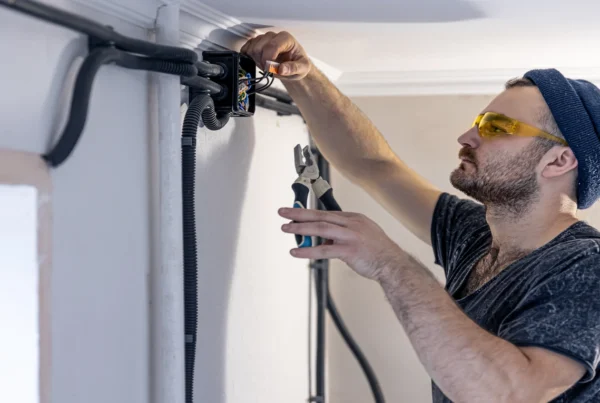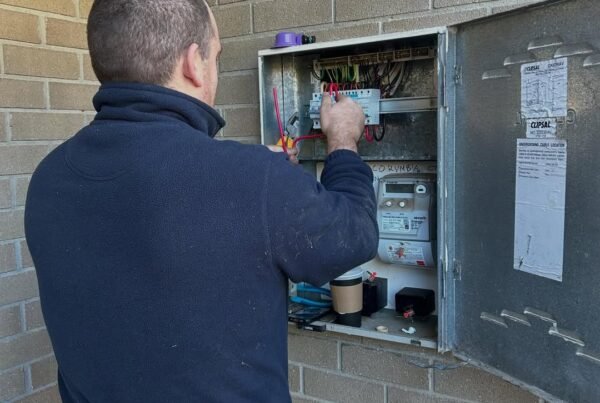

Power distribution systems are central to electrical safety because they control how electricity is received, divided, protected and delivered throughout a property. A well-planned arrangement helps prevent overloads, fault conditions and unsafe voltage issues.
For homes, offices and commercial premises in Torquay, power distribution systems need to suit the building, connected loads and local operating conditions. Good design is not simply about getting enough electricity to each room; it is about delivering it safely and reliably.
What Are Power Distribution Systems?
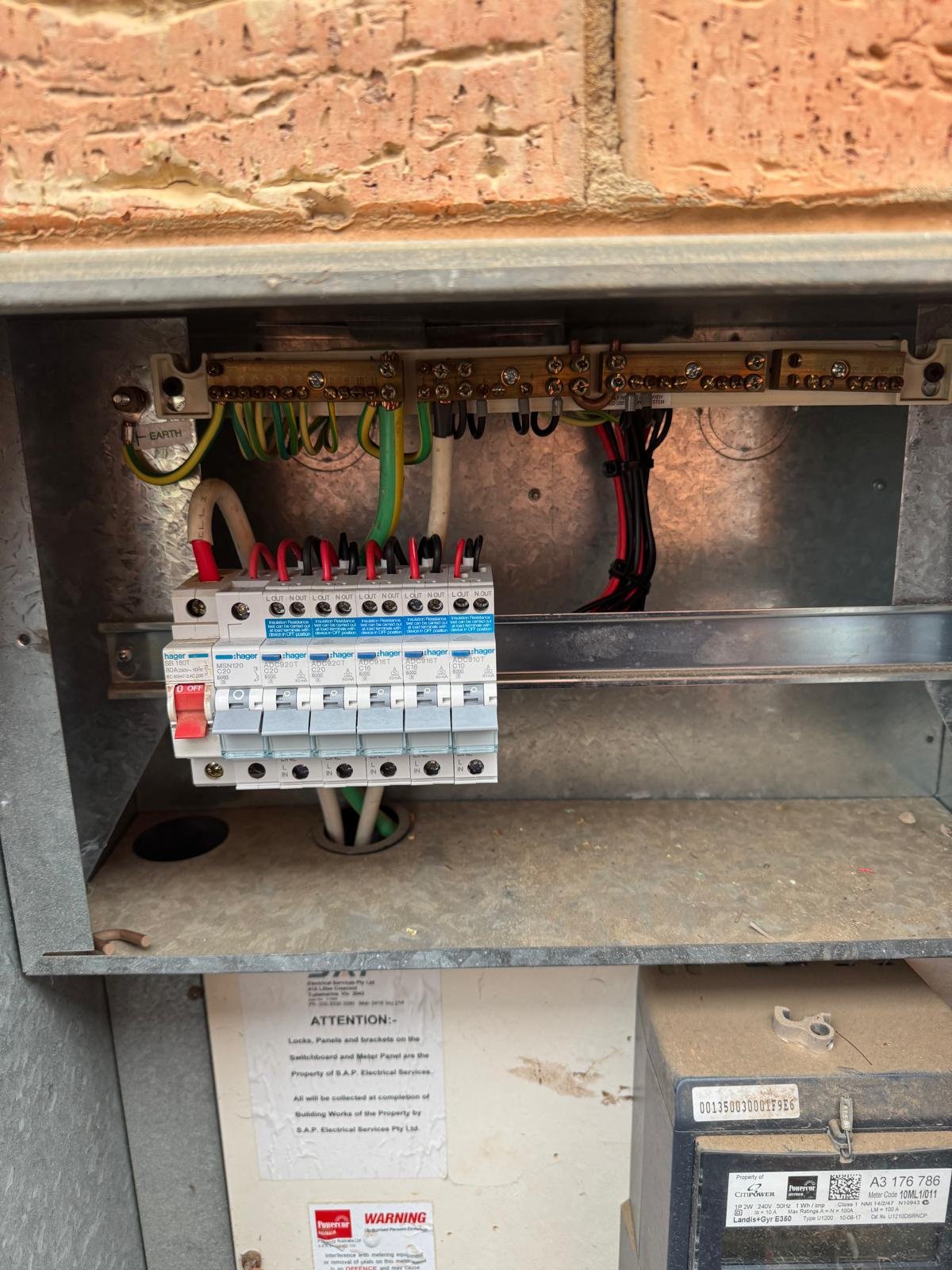
Power distribution systems are the connected equipment and circuits used to distribute electrical energy from the incoming supply to individual circuits, equipment and areas of a property. Depending on the application, they may include switchboards, circuit breakers, safety switches, busbars, distribution boards, cables, isolators and protective devices.
The purpose of power distribution systems is to divide electrical loads into manageable circuits while providing protection when something goes wrong. Instead of allowing one fault to affect an entire property, properly arranged power distribution systems can isolate affected sections and keep other essential circuits operating.
For a Torquay property, the design should reflect actual usage. A modern home may have air conditioning, induction cooking, EV charging, solar equipment and multiple high-demand appliances. A commercial site may have refrigeration, machinery, lighting, computers and specialised equipment operating at the same time.
How Do Power Distribution Systems Improve Electrical Safety?
The biggest safety benefit is controlled distribution. When loads are divided correctly, individual circuits can be protected by devices selected for their intended capacity. This reduces the likelihood of excessive current damaging conductors or creating excessive heat.
Protection devices are equally important in power distribution systems. Circuit breakers can interrupt current when an overload or short circuit occurs, while residual current devices can provide protection against certain leakage-current hazards. Safe Work Australia identifies electric shock, burns and electrical fires among the major risks associated with electricity in workplaces. Its guidance also stresses the importance of suitable equipment and risk controls.
Power distribution systems also make faults easier to locate. If a particular circuit repeatedly trips, the problem can be investigated without unnecessarily shutting down every electrical service. This is especially useful in businesses where a complete shutdown can interrupt trading or essential operations.
Key Safety Features in Power Distribution Systems
|
Feature |
Safety purpose |
Practical benefit |
|
Circuit breakers |
Interrupt excessive current and short circuits | Helps protect wiring and connected equipment |
| RCDs/safety switches | Detect certain current leakage conditions |
Reduces the risk of serious electric shock |
|
Distribution boards |
Divide supply into separate circuits | Makes protection and fault isolation more manageable |
| Isolators | Provide a controlled means of disconnecting equipment |
Supports safer maintenance and servicing |
|
Correct cable sizing |
Matches conductors to expected loads | Helps limit overheating and voltage drop |
| Labelling | Identifies circuits and isolation points |
Makes fault response and maintenance safer |
Why Is Load Management Important?
A distribution arrangement is only as safe as its ability to handle the loads connected to it. Adding high-demand appliances without reviewing capacity can place pressure on existing circuits and protective equipment.
Load assessment within power distribution systems should consider normal demand as well as likely future additions. For example, a property that currently uses standard household appliances may later add an EV charger, heat pump, solar inverter or workshop equipment.
Planning ahead can prevent repeated upgrades and help keep the electrical power systems practical as the property changes.
What Role Does Proper Installation Play?
Power distribution installation should be treated as a safety-critical part of an electrical project rather than a final connection task. Poor workmanship can create loose connections, inadequate protection, incorrect cable selection or difficult-to-isolate circuits.
In Victoria, electrical work must be carried out within the applicable licensing and safety requirements. Australian Government guidance also states that some electrical work is illegal unless completed by a qualified electrician.
For workplaces, WorkSafe Victoria recommends inspection, testing and maintenance of electrical equipment and installations, along with appropriate risk controls. It also highlights the need for competent people, including appropriately licensed or registered electricians, to carry out relevant electrical work.
How Can Maintenance Protect a Power Distribution Network?
Even well-designed power distribution systems can deteriorate if they are ignored. Electrical components experience heat, vibration, moisture, mechanical stress and normal ageing. Coastal conditions can add another consideration for Torquay properties because salt-laden air and humidity may contribute to deterioration of exposed components.
Warning signs should never be dismissed. Frequent breaker trips, burning smells, buzzing sounds, discoloration around switchboards, warm equipment or unexplained flickering can indicate a developing electrical problem.
Regular checks can also identify changes in demand. If a business adds refrigeration, machinery, air conditioning or other equipment, its commercial power distribution arrangement may need reassessment rather than simply connecting the new load to an existing circuit.
Why Are Power Distribution Solutions Important for Businesses?
Businesses depend on electricity for far more than lighting. Point-of-sale equipment, computers, refrigeration, security systems, communications equipment and machinery can all depend on stable supply.
Well-planned power distribution systems can separate critical and non-critical loads, make isolation easier and reduce the impact of a single fault. This does not eliminate every electrical risk, but it creates a more controlled environment for managing those risks.
In industrial settings, the requirements can be more demanding. Industrial power distribution may involve larger loads, motor starting currents, specialized machinery and more complex protection arrangements. The design must account for the characteristics of the equipment rather than applying a one-size-fits-all approach.
For guidance on managing electrical hazards in workplaces, businesses can refer to the Australian Government’s electrical risk guidance from Safe Work Australia.
How Can Distribution Systems Support Future Electrical Demand?
Electrical demand is changing quickly. EV chargers, battery storage, solar generation, heat pumps and high-efficiency electric appliances are becoming more common.
A future-ready approach to power distribution systems considers spare capacity, circuit separation, equipment locations and likely upgrades. This is particularly useful during renovations, extensions or new construction, when it is easier to plan distribution capacity before walls and ceilings are completed.
The Australian Government notes that upgrades to switchboards, consumer mains and other electrical infrastructure may sometimes be required when new energy technologies are installed.
One Practical Checklist for Safer Distribution
A property owner or facility manager should consider the following:
- Check whether the switchboard and protective devices are appropriate for current loads.
- Look for repeated tripping, heat marks, unusual sounds or damaged components.
- Confirm circuits are clearly identified for safer isolation.
- Review capacity before adding major electrical equipment.
- Arrange inspection and testing when the installation, usage or environment changes.
- Use licensed and appropriately qualified electrical professionals for regulated electrical work.
- Keep relevant inspection, testing and maintenance records.
These steps are simple, but they help turn electrical safety from a reactive response into an ongoing process.
When Should a Distribution System Be Reviewed?
There is no single review interval that suits every property. The right approach depends on the age, condition, usage and environment of the installation.
A review is particularly sensible when purchasing an older property, renovating, adding high-load equipment, experiencing repeated trips, changing a commercial tenancy or expanding operations.
A review is also worthwhile after a significant electrical incident. A breaker that trips once may have a straightforward cause, but repeated trips can point to overload, equipment faults or wiring problems that require investigation.
For Torquay properties exposed to coastal conditions, environmental factors should also be considered during inspection. Keeping equipment clean, protected and appropriately maintained can help support long-term reliability.
Conclusion
Power distribution systems improve electrical safety by organizing electrical loads, supporting protective devices, simplifying isolation and helping faults be managed before they become larger problems. Their effectiveness depends on suitable design, correct installation, appropriate equipment and ongoing maintenance.
For homeowners and businesses in Torquay, reviewing the electrical distribution arrangement becomes especially important when demand changes or older infrastructure is being upgraded. A professional assessment can identify capacity issues, protection gaps and maintenance needs before they affect people or operations.
If your property needs a safer or more reliable electrical setup, talk to our team about the right approach for your installation. Planning the work properly today can make future electrical changes safer and easier to manage.
Frequently Asked Questions
1. What are power distribution systems used for?
They distribute incoming electrical supply across separate circuits and equipment while using protective devices to manage overloads, faults and other electrical risks.
2. How often should power distribution systems be maintained?
The appropriate frequency depends on the installation, environment, equipment and usage. Regular inspection is especially important for older, heavily used or harsh-environment installations.
3. Can power distribution systems reduce electrical fires?
Properly designed and maintained systems can reduce risks associated with overloads, short circuits, damaged equipment and poor connections. However, no system removes every electrical hazard.
4. Do commercial buildings need different distribution arrangements?
Often, yes. Commercial sites may have greater loads, multiple operational areas and equipment that requires dedicated circuits or isolation. The design should reflect the actual use of the premises.
5. Should a distribution system be checked before adding an EV charger?
Yes. A new high-load appliance such as an EV charger can affect electrical demand. The existing switchboard, supply capacity and circuits should be assessed before installation.