
The way we use electricity at home has changed quite a bit. Air conditioners, induction cooktops, home offices, solar systems and EV chargers can all add to the electrical load. Some older homes were built at a time when far fewer appliances were being used, so their original switchboards may not be suited to today’s demands.
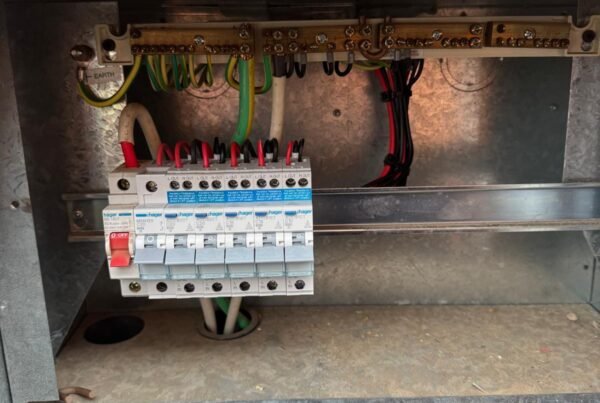
The switchboard is where the home’s electrical circuits are controlled and protected. If the equipment installed there is outdated, damaged or no longer suitable for the property’s needs, switchboard upgrades may be worth considering. A licensed electrician can inspect the existing board and work out whether it needs an upgrade, repairs or a complete replacement.
What Are Switchboard Upgrades and Why Do They Matter?
Switchboard upgrades involve improving an existing switchboard so its components and protection are appropriate for the property’s electrical installation. The work can vary considerably from one home to another.
Depending on the condition of the existing board, an electrician may replace old fuse equipment, install suitable circuit breakers or safety switches, improve circuit labelling, replace damaged components or make other necessary changes.
There is no single upgrade that suits every property. The condition of the wiring, age of the installation, available space, electrical demand and existing protective devices all need to be considered before work starts.
Energy Safe Victoria explains that safety switches are intended to disconnect electricity quickly when they detect a leakage of current that may create an electric shock risk. Circuit breakers have a different role and generally respond to excessive current caused by problems such as overloads or short circuits.
For this reason, switchboard upgrades should be planned around the actual needs of the electrical installation rather than simply replacing equipment because it looks old.
When Should You Consider Switchboard Upgrades in Torquay?
An older switchboard is not automatically dangerous, but certain signs deserve attention. Homes with ceramic fuse holders, limited circuit protection or no suitable safety-switch protection may benefit from an electrical inspection.
Other warning signs can include:
- Fuses blowing regularly.
- Circuit breakers tripping repeatedly.
- Buzzing or crackling sounds near the board.
- Burning smells or signs of heat.
- Scorch marks or melted sections.
- Flickering lights in different parts of the property.
- A lack of capacity for new electrical appliances.
- Electrical work planned as part of a renovation.
BTD Electrical & Data also identifies older ceramic fuse boards, recurring electrical problems, flickering lights, renovations and missing safety switches as reasons to have an existing board assessed.
For homeowners searching for switchboard upgrades in Torquay, the important point is that an inspection should come before deciding what equipment needs to be replaced.
How Do Switchboard Upgrades Improve Electrical Safety?
One of the main reasons homeowners consider switchboard upgrades is to improve electrical protection.
Modern electrical installations can use circuit breakers and residual current devices, commonly referred to as safety switches or RCDs, where suitable. These devices perform different functions.
A circuit breaker is generally intended to protect a circuit when excessive current flows through it. This can happen during an overload or short circuit. A safety switch, on the other hand, monitors the flow of electricity and can disconnect a circuit when it detects a leakage that may present an electric shock hazard.
Using the correct protective equipment is only one part of the job. Circuits also need to be arranged correctly, equipment must be installed appropriately and the completed work needs to be tested.
This is where professionally planned switchboard upgrades can make a difference. Rather than adding individual components without considering the wider installation, an electrician can assess how the board, circuits and protective devices work together.
Energy Safe Victoria also recommends that homeowners test their safety switches regularly and understand how these devices operate.
What Signs Indicate That Switchboard Upgrades May Be Needed?
Electrical problems do not always begin with an obvious major fault. Sometimes a homeowner notices a small issue several times before realizing that it may point to a larger concern.
Look out for:
- Repeatedly blown fuses.
- Circuit breakers that trip again and again.
- Buzzing, sizzling or crackling sounds.
- Burning odors around the switchboard.
- Discoloration, scorching or melted plastic.
- Lights that flicker or become unusually dim.
- Old ceramic fuse equipment.
- Limited room for additional circuits.
- Missing or inadequate safety-switch protection.
- Visible damage to the switchboard enclosure or components.
These symptoms should not be investigated by opening the switchboard yourself. Electrical components can remain hazardous even when a particular circuit appears to be switched off.
If you notice these problems, professional switchboard upgrades can be considered after an electrician has inspected the installation and identified the cause.
Switchboard Replacement vs Upgrade: What Is the Difference?
The words “replacement” and “upgrade” are often used together, although they can refer to different amounts of work.
A switchboard replacement normally involves removing an existing board, or most of its equipment, and installing a new arrangement. An upgrade may be more limited. It could involve replacing certain outdated components, adding suitable protection or making improvements to the existing board.
The right option depends on several factors, including the condition of the equipment, wiring arrangements, available space, electrical load and future plans.
|
Area |
Older Switchboard | Modern Upgrade or Replacement |
| Circuit protection | May use older fuse equipment |
Modern protective devices can be installed where suitable |
|
Safety protection |
May have limited coverage | Suitable safety-switch protection can be incorporated |
| Capacity | May be restricted |
Can be planned around current requirements |
|
Circuit labels |
May be unclear or outdated | Circuits can be clearly identified |
| Future requirements | Limited room for additional circuits |
Future electrical needs can be considered |
|
Condition |
Components may show age or deterioration | New components can improve maintainability |
| Compliance | May require assessment before further work |
Work can be completed to applicable requirements |
An electrician can explain whether switchboard upgrades are sufficient or whether a complete replacement would be more appropriate.
Why Are Switchboard Upgrades Useful for Modern Torquay Homes?
Today’s homes can contain considerably more electrical equipment than older properties originally supported.
A typical household may have multiple air conditioners, an induction cooktop, pool equipment, computers, entertainment systems, solar panels, batteries or an EV charger. Running several high-demand appliances at the same time can place greater demands on an existing electrical installation.
This does not mean every older home requires a new switchboard. Instead, the existing installation should be assessed before significant new electrical loads are added.
For example, someone planning a kitchen renovation may want the electrician to check the switchboard before installing an induction cooktop, dishwasher and additional appliances. A homeowner considering an EV charger may also need the existing electrical capacity reviewed.
In these situations, switchboard upgrades can form part of broader electrical planning.
BTD Electrical & Data notes that renovations and the addition of high-demand appliances can be good reasons to have an existing switchboard assessed.
Can an Old Switchboard Affect Electrical Safety?
Age alone does not determine whether a switchboard is safe. An older board may still be in reasonable condition, while a newer installation can have problems if it has been damaged, altered incorrectly or poorly maintained.
However, older equipment may not provide the same level of protection expected from a modern electrical installation. Ceramic fuses, deteriorated components, insufficient protection or limited capacity can all become concerns.
This is why switchboard upgrades should be based on an inspection rather than a simple rule about how many years old a board is.
If an electrician discovers damaged equipment, unsuitable protection or other electrical issues, they can recommend the most practical solution. In some cases, selected components may be replaced. In others, a full switchboard replacement may be more suitable.
Homeowners should never remove covers, replace internal components or attempt electrical repairs themselves.
What Happens During a Modern Switchboard Installation?
A professional installation generally begins with an inspection of the existing electrical system.
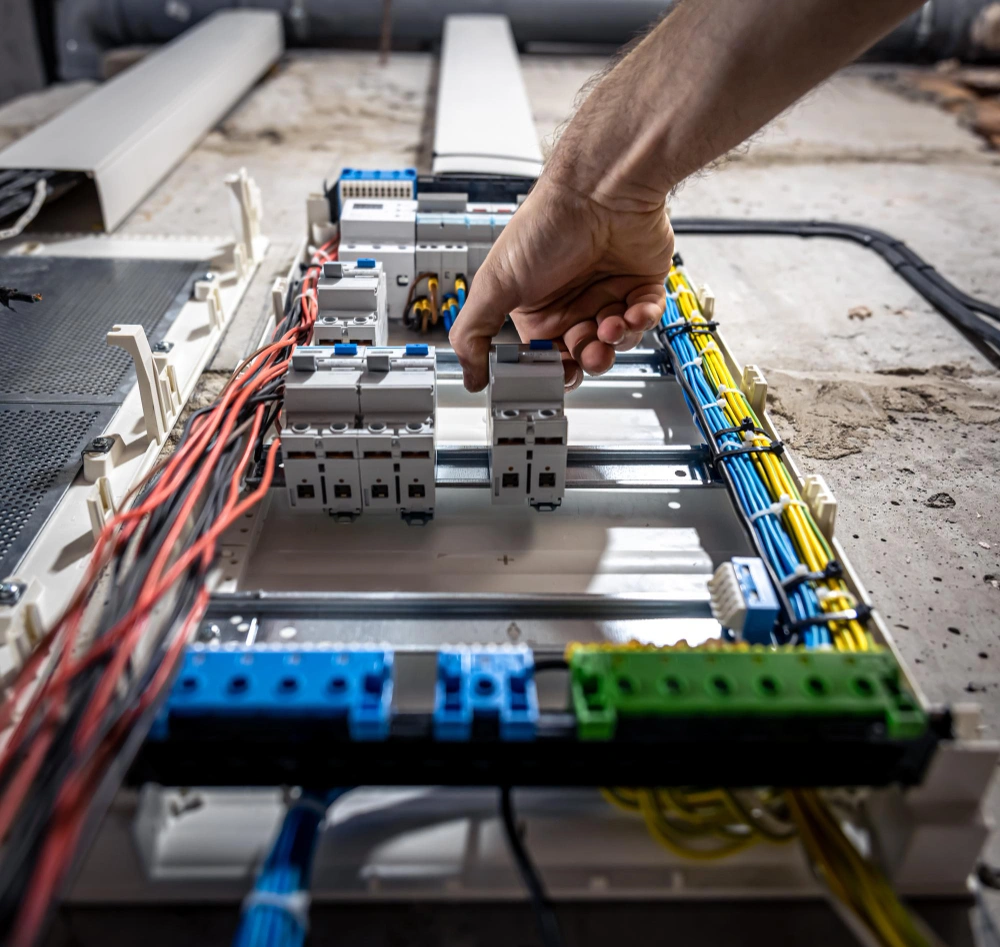
The electrician may identify the circuits connected to the board, inspect the protective equipment, consider the property’s electrical demand and discuss any planned changes with the homeowner.
Depending on the project, the work may include:
- Removing obsolete electrical components.
- Installing suitable circuit protection.
- Adding or improving safety-switch protection where required.
- Reorganizing circuits.
- Labelling circuits clearly.
- Replacing damaged equipment.
- Testing the completed installation.
The process can be relatively straightforward in one property and much more involved in another. Older wiring, solar equipment, three-phase power or previous electrical modifications can affect the scope of work.
For this reason, homeowners considering switchboard upgrades should ask for a clear written scope when comparing electrical quotes.
Are Switchboard Upgrades Required Before Renovations?
They can be, depending on the existing installation and what the renovation involves.
A renovation may require several new circuits, particularly when work includes a kitchen, bathroom, extension, outdoor area or additional living space. New appliances can also increase electrical demand.
Having the switchboard assessed before construction begins gives the electrician an opportunity to identify possible limitations. If changes are needed, they can be planned alongside the rest of the electrical work.
Considering switchboard upgrades early can also make it easier to discuss future additions such as solar panels, battery storage, air conditioning or EV charging.
Waiting until new circuits are ready to connect can make electrical problems more inconvenient and potentially affect the renovation schedule.
How Can Homeowners Maintain a Safer Switchboard?
A switchboard needs occasional attention rather than being forgotten after installation.
Homeowners should know where the switchboard is located and understand which circuits are controlled from it. Safety switches should also be tested according to the manufacturer’s instructions and relevant safety guidance.
Energy Safe Victoria provides information about testing and resetting safety switches and explains why these devices are important for household electrical protection.
For reliable Victorian electrical safety information, homeowners can refer to Energy Safe Victoria’s official safety-switch guidance for advice on testing and maintaining safety switches.
Regular professional inspections can also help identify problems before they become more serious. Where an inspection identifies outdated protection or damaged equipment, switchboard upgrades may be recommended.
Why Choose Professional Switchboard Replacement in Torquay?
Electrical switchboards contain potentially dangerous voltages, so this is not a suitable DIY project.
A licensed electrician can inspect the installation, identify electrical faults, select suitable components and test the completed work. Professional attention is particularly important when a property has older wiring, previous renovations, damaged equipment or plans for additional high-demand appliances.
Choosing a contractor based only on the cheapest quote can make it difficult to compare what is actually included. Homeowners should look at the proposed scope, protective equipment, testing and any other work included in the quotation.
For anyone considering switchboard upgrades or an electrical switchboard replacement in Torquay, a property-specific assessment is a useful starting point.
Conclusion
The switchboard is an important part of a home’s electrical system. It distributes power around the property while housing equipment that helps protect circuits and people from certain electrical hazards.
When an existing board is damaged, outdated, poorly protected or unable to support planned electrical additions, it is worth having the installation assessed by a licensed electrician.
Switchboard upgrades can improve protection, support additional circuits and help prepare a property for changing electrical requirements. The correct solution will depend on the existing wiring, equipment, electrical load and future plans.
If you live in Torquay and have noticed repeated tripping, an older switchboard or limited electrical capacity, contact BTD Electrical & Data to arrange a professional assessment. Their team can inspect the existing system and explain whether repair, replacement or an upgrade is the most appropriate option.
Frequently Asked Questions
1. How do I know if my Torquay home needs switchboard upgrades?
Ceramic fuses, repeated tripping, burning smells, unusual sounds, visible damage, limited safety-switch protection and plans for high-demand appliances can all justify an electrical assessment. A licensed electrician can determine whether switchboard upgrades are required.
2. Is a switchboard replacement the same as a switchboard upgrade?
Not always. Replacement usually involves installing a new board or major new arrangement, while an upgrade can involve improving selected parts of an existing installation. The appropriate approach depends on the property’s condition and electrical requirements.
3. Are safety switches the same as circuit breakers?
No. They perform different protective functions. Circuit breakers generally respond to excessive current, while safety switches are designed to disconnect a circuit when they detect certain electrical leakage conditions.
4. Can I install a new switchboard myself?
No. Electrical work involving switchboards, wiring and protective equipment should be completed by an appropriately licensed electrician. Attempting DIY work can expose you to serious electrical hazards.
5. Can switchboard upgrades help with future appliances?
Yes. An electrical assessment can take planned additions into account, including air conditioning, solar, batteries and EV charging. Switchboard upgrades may allow suitable additional circuits or protection to be considered as part of the wider electrical plan.