
Keeping the lights on might seem trivial, but for Torquay businesses, routine electrical maintenance is anything but. Imagine this: mid-breakfast rush at your café, and suddenly the lights go dark. Nightmare, right? Regular check-ups prevent that from happening. Routine electrical maintenance isn’t just about avoiding a flicker — it keeps your whole operation humming safely. Local electricians like BTD Electrical & Data even stress spotting small issues early, so they don’t grow into big (and expensive) disasters.
Routine electrical maintenance is a bit like a doctor’s check-up — it looks boring on paper but can save you a lot of hassle (and money) in the long run. Think of your building’s electrical system like a car engine: neglect it, and trouble is just around the corner. By giving it regular attention, you avoid surprises like outages and shocks.
Safety and Compliance: Why Routine Electrical Maintenance is Non-Negotiable
Nobody wants a fire or a shocked employee. Faulty electrical systems are a top cause of workplace accidents (think fires and electrocutions). In Australia, almost 40% of fires are linked to faulty wiring or devices. It’s a shocking stat (pun intended) but true. That’s why laws require businesses to keep electrical work in top shape. In fact, WorkSafe explicitly says that only licensed or registered electricians should handle repairs — no DIY hacks. You can review current safety obligations for Victorian businesses through Energy Safe Victoria, which outlines compliance requirements for electrical installations and testing.
Regular inspections catch loose wires, corroded components, and other hazards before they become emergencies. Local pros can test RCDs, circuit breakers, and safety switches to make sure everything is up to code. As one safety guide notes, simple visual checks can miss hidden issues, so gear should be tested and tagged regularly. Skipping these checks could mean hefty fines or, worse, a disaster on your site. Routine electrical maintenance isn’t just best practice — it’s often required by law.
Avoiding Costly Downtime
Nobody likes customers leaving because of a blackout. Think of routine electrical maintenance as insurance: invest in it now, and you won’t be left in the dark tomorrow. Unexpected power outages can kill your profits and your reputation. For example, regular maintenance catches worn wiring or overloaded circuits before they force you to shut shop. Proactive check-ups keep your lights on and the deals flowing.
Downtime bites your wallet and your pride. As one electrician put it, without tune-ups, “you’re asking for trouble down the track”. Preventative care is like medicine for your business: catch small issues now to avoid big problems later. In short, keeping up with maintenance is a smart bottom-line decision that keeps sales humming and customers happy.
Saving Energy (and Money)
A healthy electrical system is an efficient one. Over time, grime, loose screws, and worn parts make your lights and machines gulp more power. Regular maintenance can spot and fix these issues — think tightening connections or swapping out old bulbs. This not only lowers your power bills but also reduces your carbon footprint. According to experts, such upkeep makes systems run “at peak performance,” cutting costs and waste.
Upgrading to LEDs, checking insulation, and tuning motors can add up to big savings. Fewer breakdowns mean fewer emergency service calls (and those rates are scary). So yes — routine electrical maintenance pays for itself. When everything’s running smoothly and efficiently, your meter runs slower, and your bank balance runs faster.
What’s Included in Routine Electrical Maintenance
So, what is routine electrical maintenance? It’s more than changing light bulbs. For businesses, it includes inspecting panels, testing safety switches, checking cables, testing emergency lights, and more. It’s a full-service check-up for your electrical setup. Together, these steps form the backbone of any thorough routine electrical maintenance program — they catch problems before they catch you.
We can break it down:
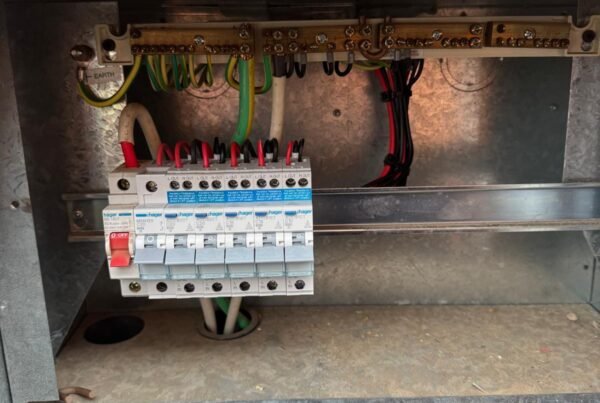
- Electrical Panel and Breakers: Tighten connections and check for corrosion. Loose connections or overloaded circuits can lead to major problems later (like outages or fires).
- Wiring and Outlets: Inspect wiring throughout your premises. Over time, these can wear out or get damaged. A full inspection might find frayed wires or loose sockets that, if ignored, could spark bigger faults.
- RCD and Safety Switch Testing: These lifesavers trip the power on faults and should be tested regularly. Usually, this means monthly or biannual testing of RCDs, as issues aren’t always visible.
- Lighting Inspection: Check all fixtures and bulbs. A flickering light or burnt-out lamp might seem minor, but it can be a safety issue. Replace faulty bulbs and consider upgrades (like LEDs) for efficiency.
- Emergency and Exit Lights: Ensure these are tested and tagged to comply with safety regulations. They must work during a blackout to keep everyone safe.
- Generators/Backup Power: If you have backup generators or UPS systems, they must be tested under load regularly. Knowing they’ll kick in when needed is critical for avoiding downtime.
- Thermal Imaging: Many contractors use infrared cameras to spot hot spots in your electrical panels or wires. This high-tech scanning finds problems that are invisible to the naked eye, preventing fires before they start.
- Documentation: Every check and test is logged. Tags on inspected equipment and written reports prove that maintenance was done. Regulations even require keeping these records — they’re crucial if you need an insurance claim or pass an audit.
Below is a simplified sample schedule (always tailor it to your needs):
| Task | Frequency | Why It Matters |
| Daily/Weekly Walkaround | Daily/Weekly | Quick checks (e.g., flickering lights, odd smells) catch obvious issues early. |
| Emergency Lighting Test | Monthly | Ensures exit lights and alarms will work during a blackout. Required by safety codes. |
| RCD/Safety Switch Tests | Biannual (min.) | Verifies safety switches trip properly – catches hidden earth faults. |
| Full Electrical Inspection | Annually | A pro checks everything: panels, wiring, connections, grounding. Fixes creeping problems. |
| Generator/Backup Test | Semi-annual | Ensures backup power kicks in during outages. Vital for critical systems. |
| Test & Tag Appliances | Biannual (AS/NZS 3760) | Regular insulation and continuity tests on equipment. Tagging shows compliance. |
Why Hire a Licensed Electrical Contractor
Before you call a mate from Facebook, remember: for your electrical system, you need the real deal. Only a licensed electrical contractor has the training, insurance, and expertise to do routine electrical maintenance safely. WorkSafe makes this clear — maintenance must be done by someone competent and qualified.
Think about it: you’d never let an amateur tune your car engine, right? So why risk your business’s wiring? Licensed pros carry the right paperwork and know the latest codes, so they do the job correctly. We trust our doctors when we’re ill; similarly, trusting a professional for your electrical health is just common sense.
If you already use general maintenance services, adding electrical checks usually fits right in. Otherwise, look for electricians advertising maintenance plans and compliance testing — they’ll help keep your place running like clockwork.
Where to Start in Torquay
Torquay businesses have local options. Companies like BTD Electrical & Data specialise in electrical services for homes and businesses. Torquay businesses know that scheduling routine electrical maintenance ahead of time can mean the difference between smooth sailing and a painful outage. The pros can set up a schedule of inspections, testing, and upgrades so you never have to worry about blown fuses or code violations.
Routine electrical maintenance might sound routine, but it’s your secret weapon against surprises. By keeping on top of the checks above, you’ll protect your people, your property, and your profits. Don’t wait for a short-circuit to remind you — make maintenance part of your business plan today.
Conclusion
Routine electrical maintenance may not make headlines, but it keeps your business shining bright. A few hours of preventative care can save you from dark days later. By treating your electrical system with the same respect as your top employees, you avoid shocks (literal and financial).
So, give your business the care it deserves. Reach out to a qualified Torquay electrician or licensed electrical contractor and book a maintenance check.
Need an expert? Companies like BTD Electrical & Data have your back with professional electrical services tailored to local needs. Don’t wait — let routine electrical maintenance keep your Torquay business powered up and worry-free.
Frequently Asked Questions
What is routine electrical maintenance?
Regular check-ups of your building’s electrical system (wiring, panels, outlets, etc.) should be done by a professional. This ensures everything stays safe and works properly.
How often should I schedule electrical maintenance?
Usually, you need a full check by a licensed electrician at least once a year. In between, do quick monthly checks (like looking for flickering lights) and test safety switches (RCDs) every 6–12 months.
Do I need a licensed electrician for maintenance?
Yes — only licensed electricians are legally allowed to work on wiring. They’re trained and insured, so they will do the maintenance correctly and up to code.
Can maintenance save me money?
Absolutely. Fixing small faults early and keeping your system efficient cuts your energy bills and avoids costly breakdowns. Experts note well-maintained systems run “at peak performance,” saving you money.
What’s included under general maintenance services?
These plans often combine routine electrical upkeep (panel checks, RCD tests, etc.) with other building services like HVAC and plumbing. It’s a one-stop approach to keep all your systems running smoothly.